I am looking into creating a acrylic pieced project of my grand daughter in goal ( hockey ).
I am working through the image to separate the components.
I was thinking to melt/glue/join the acrylic together, so I looked it up and found this (long) article.
It seems pragmatic without a vendors sales pitch.
I worked for a lab equipment maker who had an acrylic fabrication department. The fab guys used methylene chloride with (if I remember right) 20 or 25 percent of glacial acetic acid to slow the evaporation. They could make bubble-free joints all day. But as Tex pointed out, they had years of practice, practice, practice…
If aesthetics aren’t a factor, CA glue + accelerator works well. It has the potential to leave a whitish residue on the pieces, though.
After watching a YT vid, I tried using Weld On 3 with a hypodermic needle to join acrylic. It looked slick and easy on the videos, but didn’t work as well as CA | accelerator.
The best tip I know of for methylene chloride / Weld-On 3 is to squeeze the dispensing bottle a little before inverting it. This causes a slight vacuum in the bottle so the solvent doesn’t wick out on its own, and you need to purposely dispense it. This also helps minimize spatter spots on the surface. This is independent of edge gluing vs. lamination…
P.S. I’m at work now so I don’t have general internet access (but this is an approved site…) so that might have been covered in the link above…
I think a big part of your glue application will have to do with how seamlessly your pieces fit together. I imagine some of the techniques mentioned in the thread require a near water tight fit to get a good looking joint.
If you’re going for less of a seamless look/more of a stained glass look it might be easier to pull off. Since you could include some geometry to facilitate a thicker seam. Probably wouldn’t look quite as cool as a seamless joint though
This is something I’ve wanted to play with since a friend bought a laser that can cut acrylic.
I’ve ordered some cast 3mm colored acrylic sheets, a few applicator types (squeeze bottle, needles, luer lock tip pack), water thin adhesive, and just to try it out I threw in some glacial acetic acid.
I’ll reply this weekend with some results, though the glacial acetic acid tests will come later because shipping.
The acetic acid raises the viscosity a little as well as retarding evaporation of the methylene chloride, making the joint more tolerant of fit-up gaps (to a limit, of course). Technique is definitely a part of it. When making a joint, you want to flow the solvent from one end to the other, minimizing the chance of trapping air bubbles in the joint. For “tee” joints, the best thing is to touch one edge of the “vertical” piece down, flow the adhesive along the joint, then rock the piece into place. This is probably all covered in the video, which I actually haven’t watched yet, but have much instruction and experience (but not enough practice, practice, practice, to be consistent) from the lab equipment company plastics shop…
Would acrylic be good for this? With its tendency to shatter, I’d assume polycarbonate might be better suited? (With a cheap tablet screen protector to protect the viewport from scratching the admittedly scratch prone polycarb )
Syringes https://a.co/d/0fFDo9QE
(I should have bought the 50 pack. These are going to be pretty useful I think)
Tip pack https://a.co/d/071eHCSn
(Only the absolute thinnest blunt tips are useful for this water thin adhesive)
Cheap mills for practicing acrylic cutting https://a.co/d/0anY2RV2
(Pretty decent for the cost it seems. Silly sharp which is great for plastics)
Acrylic test pack https://a.co/d/04bwLyMm
(Rather expensive but seems consistent in thickness, high quality, cast, and sized for my nomad fine for prototyping and probably small light boxes)
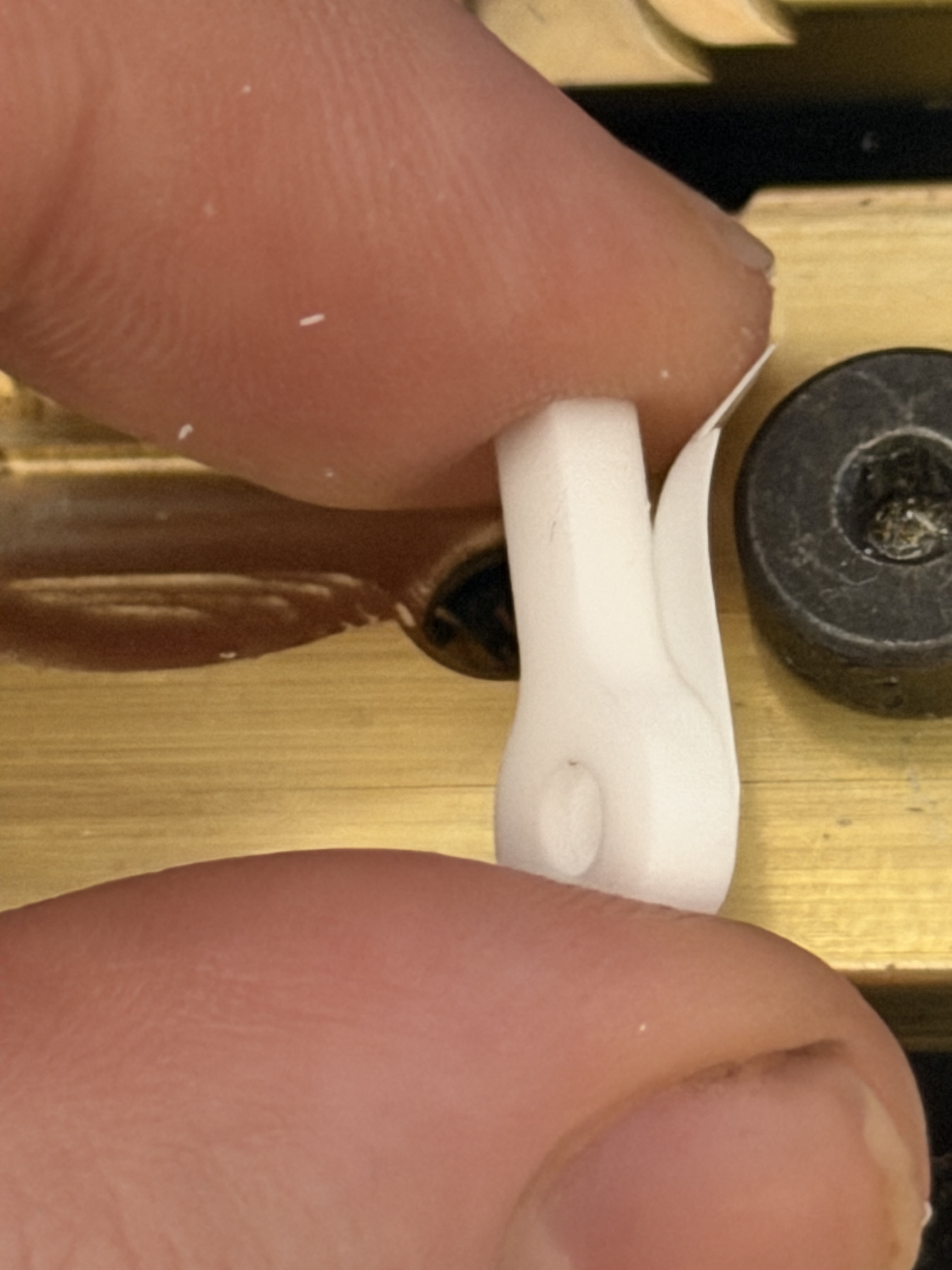
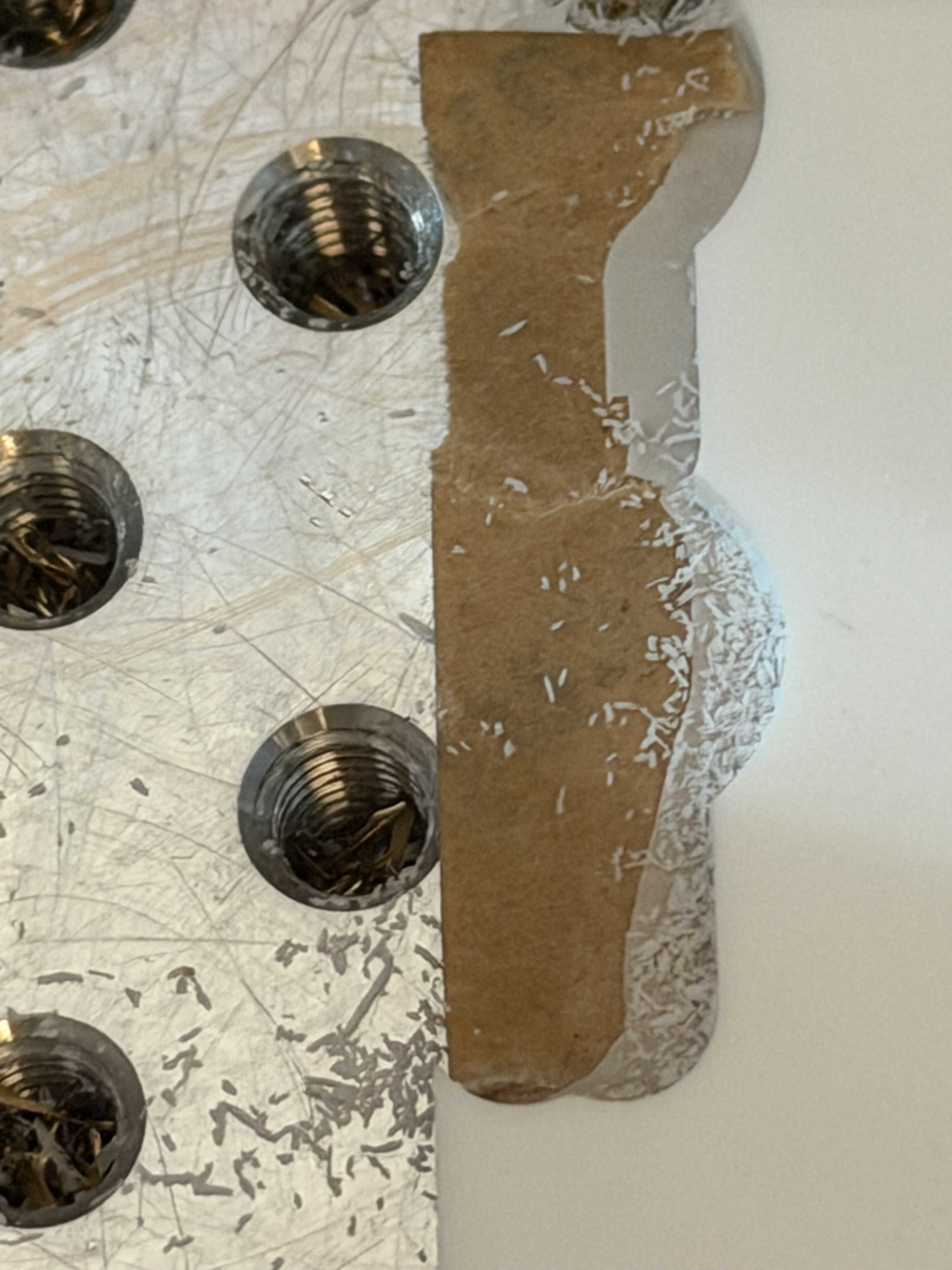
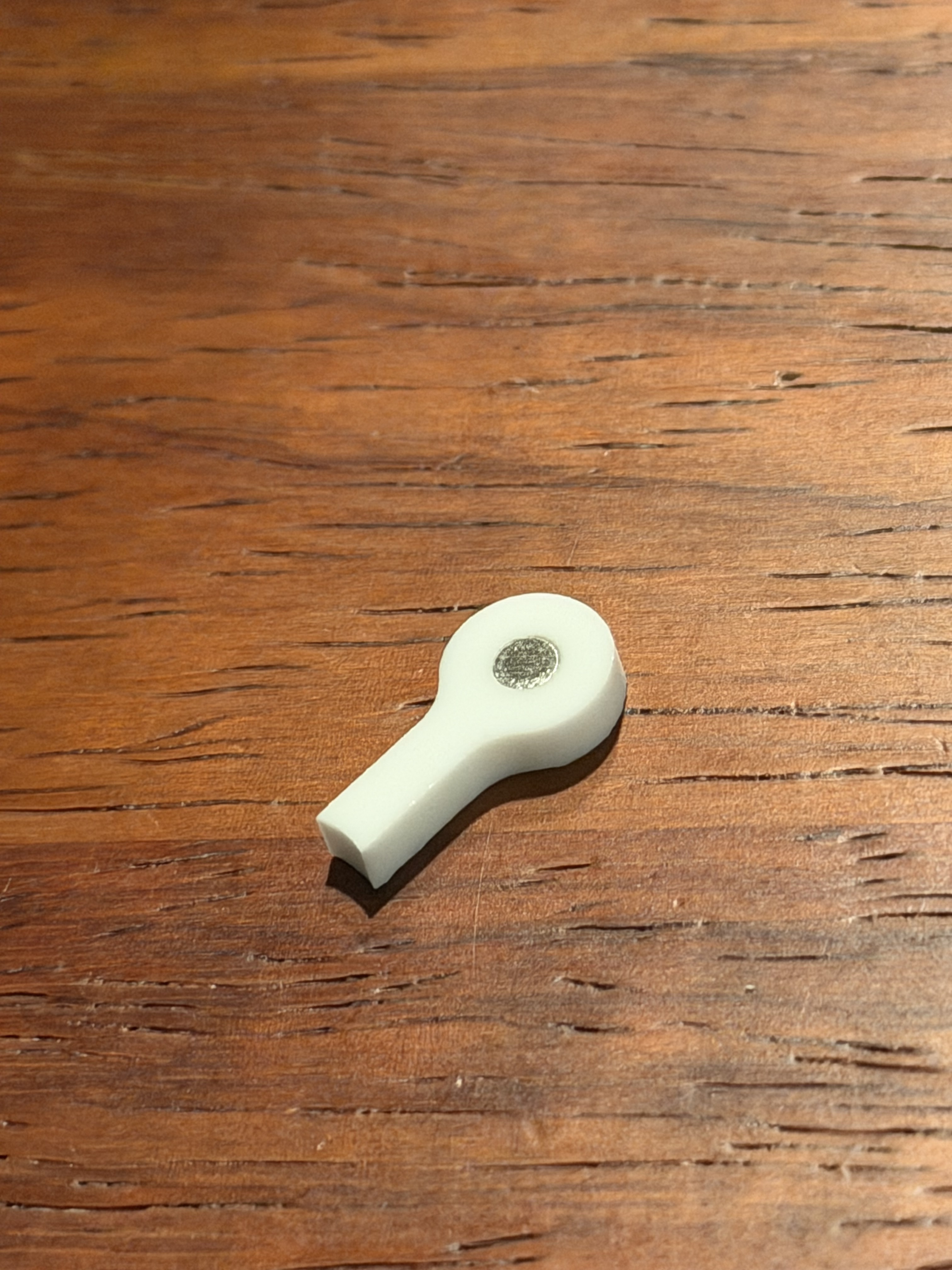
I ended up cutting at full depth, full width,18000rpm, .004in fz
Left about 0.1mm of onion skin and kept the bottom protective paper on. This kept all adhesive off of the tool and the onion skin shears off pretty cleanly. I’ll probably cut a little closer from now on though.
The cutting forces are so low I’d wager most any work holding is fine.
It probably would @HeuristicBishop, I’ll have to do a little research when I can get back to it. I took on some furniture repair work and the fish are biting, my priorities have shifted big time.
 It ain’t as easy as is portrayed.


 )
)