I bought my first biscuit cutter at a yard sale. Ryodi DBJ50 ($5.) I then learned it is a mini biscuit unit.
So I have the following assumptions, please correct where I am wrong.
I think the strength of the biscuit joint is the glue not the biscuit. If the biscuit adds strength, then the glue has failed.
This means the biscuit is for alignment.
I can 3d print the biscuits (glue won’t adhere to them) but they will do their job of alignment.
I can put the biscuits about 1/8" from bottom of board so I can 3d mill.
You are correct about biscuits not having much structural strength. It does add some but it is more about alignment. There is some strength but mini biscuits would add less strength than standard biscuits. The trick for biscuits is making marks across your joint accurately and then aligning your biscuit jointer accurately. Biscuits do not fill the biscuit hole so there is room for them to slide in but you may have to tap the boards long wise to get the marks realigned when assembling. Most commercial biscuits are compressed beech and when wet by glue expand. So when using the commercial biscuits you must get them in and the material pushed together rather quickly before the compressed biscuit starts expanding much.
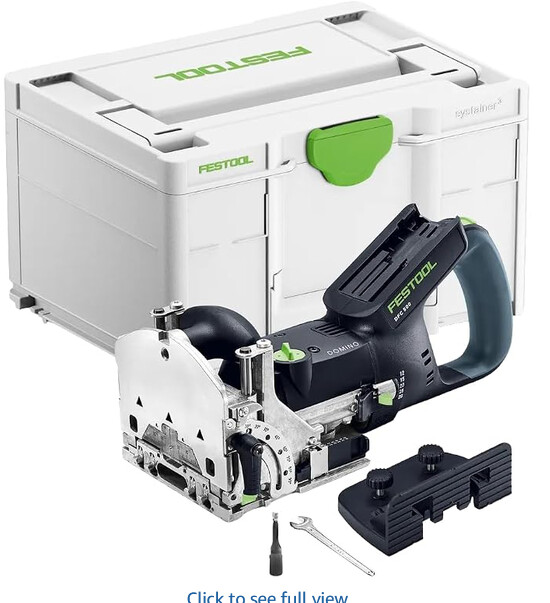
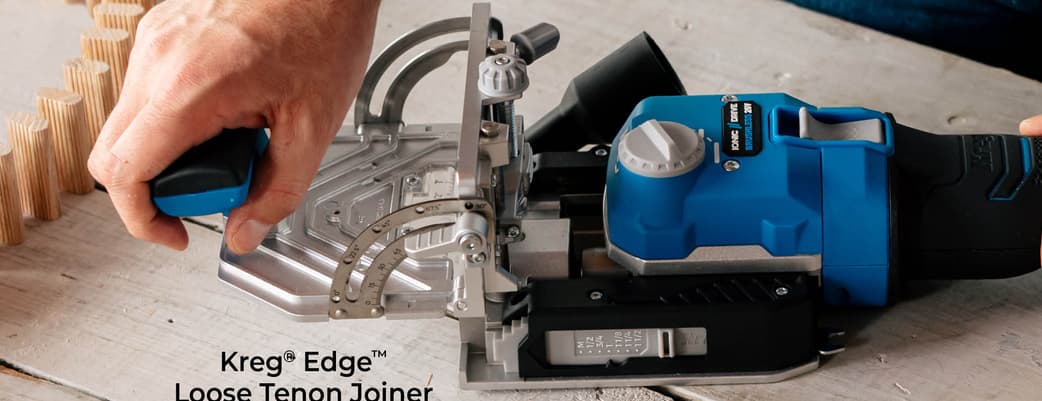
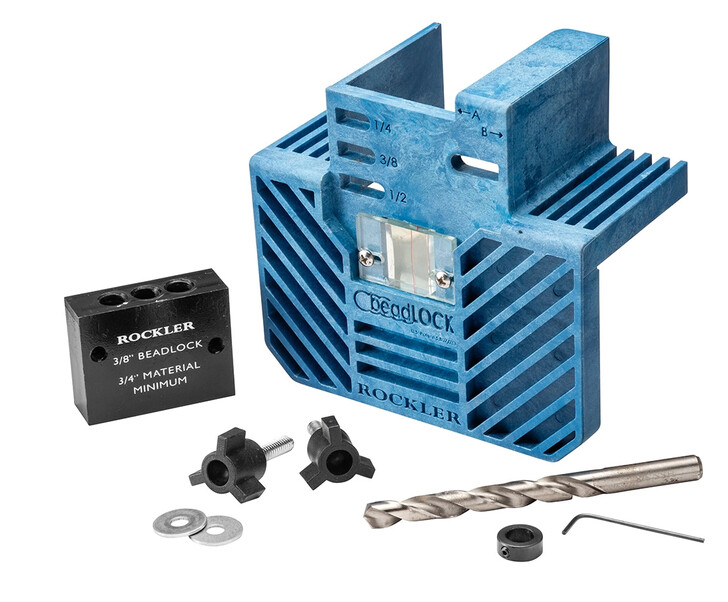
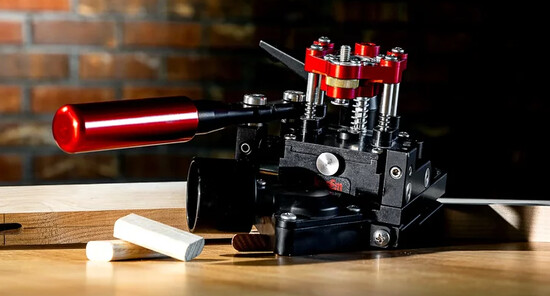
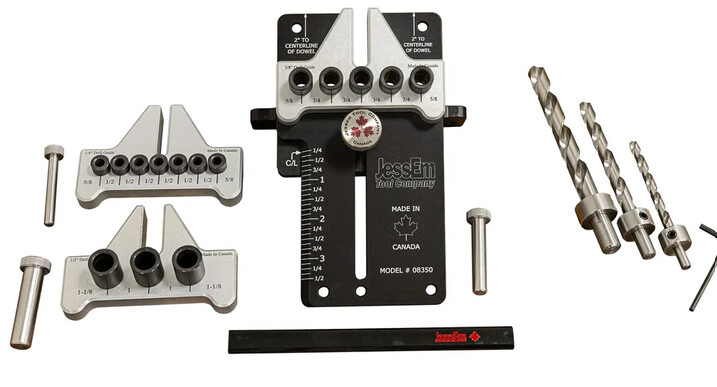
If you need structural strength in joints than Domino loose tenons are much stronger and the Dominos fit much tigher in their mortises. There are also things like Rockler’s BeadLock and even dowels are stronger than biscuits. Kreg is coming out with a cheaper Festool Domino alternative. Jessem makes a jig to make Domino mortises and Kreg also makes a similar jog to the Jessem one. The Festool Domino has been around a while but it is expensive.
Plus there are many many more jigs available besides the ones listed above. Personally I am not a fan of biscuit jointers. But they do have a function.