Hello all,
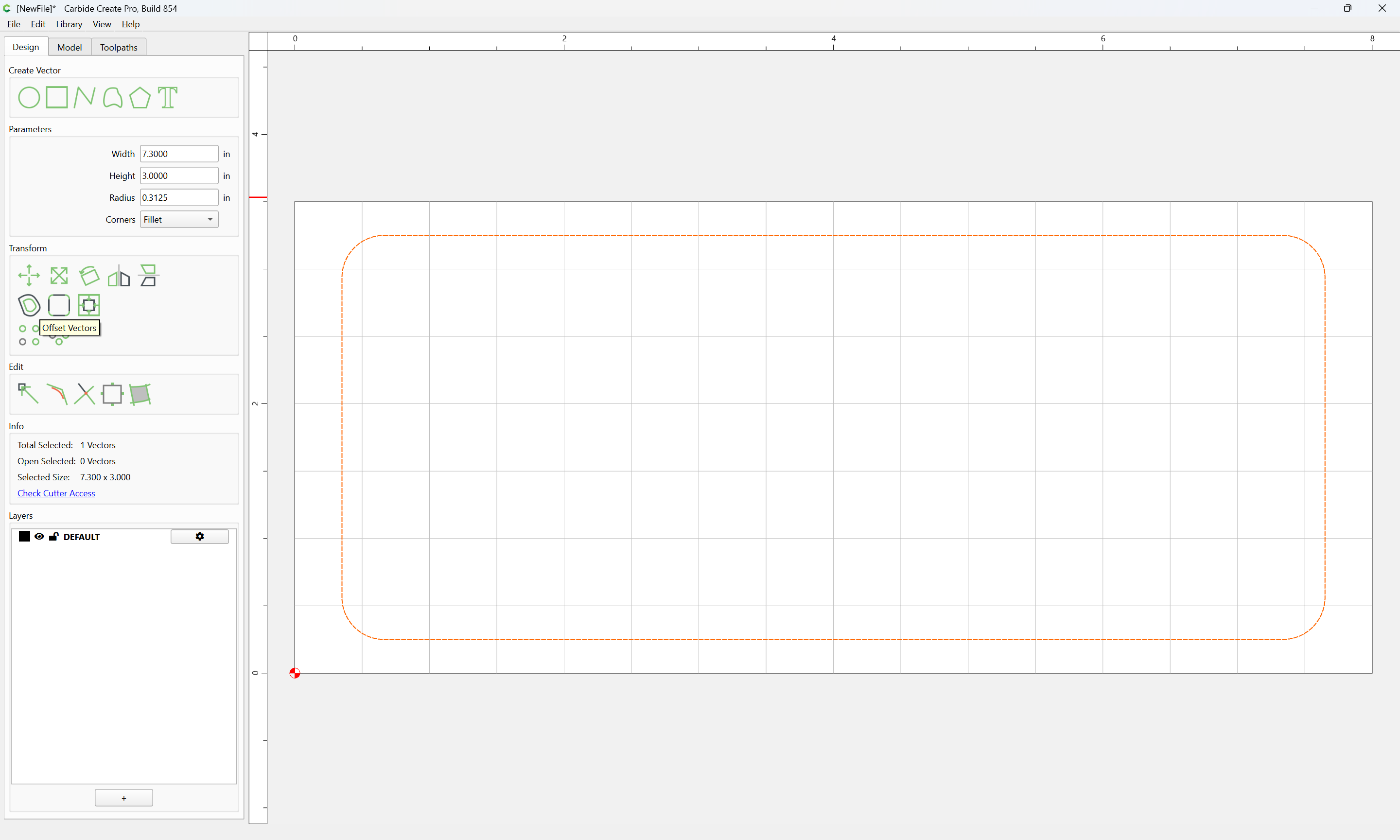
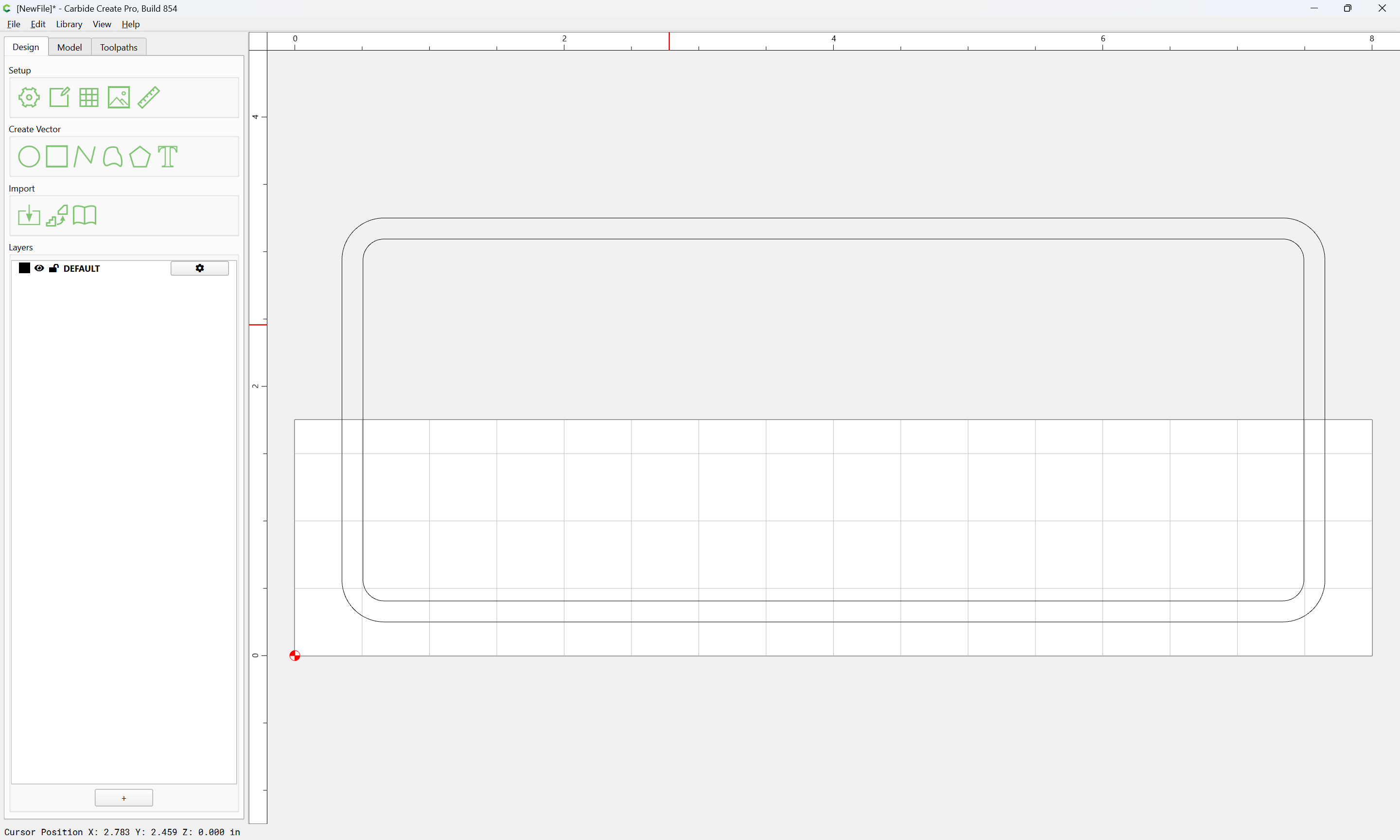
Usually I’m just a quite admirer of all the amazing projects I see here daily but tonight I wanted to ask for some advice. I have been designing a few catchall trays.
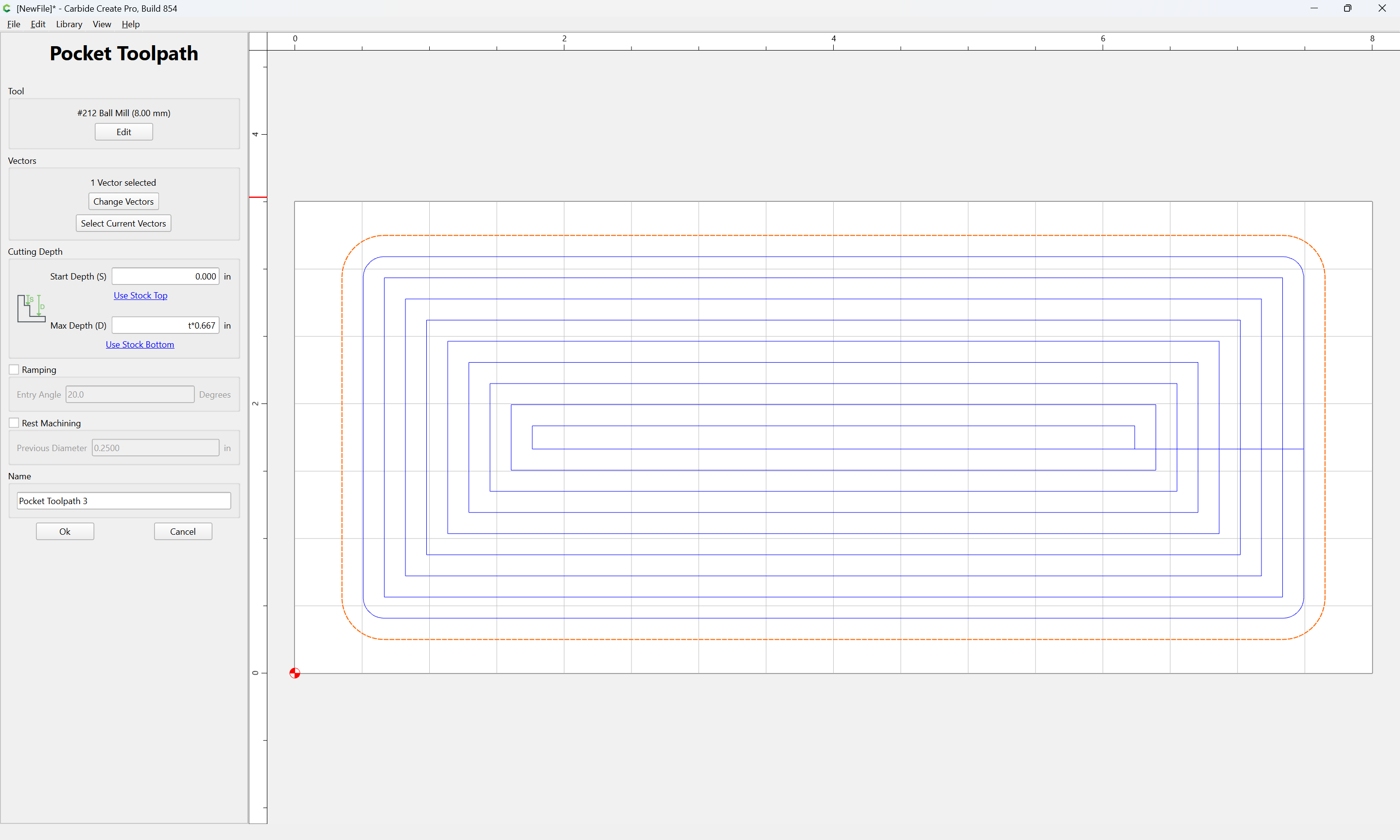
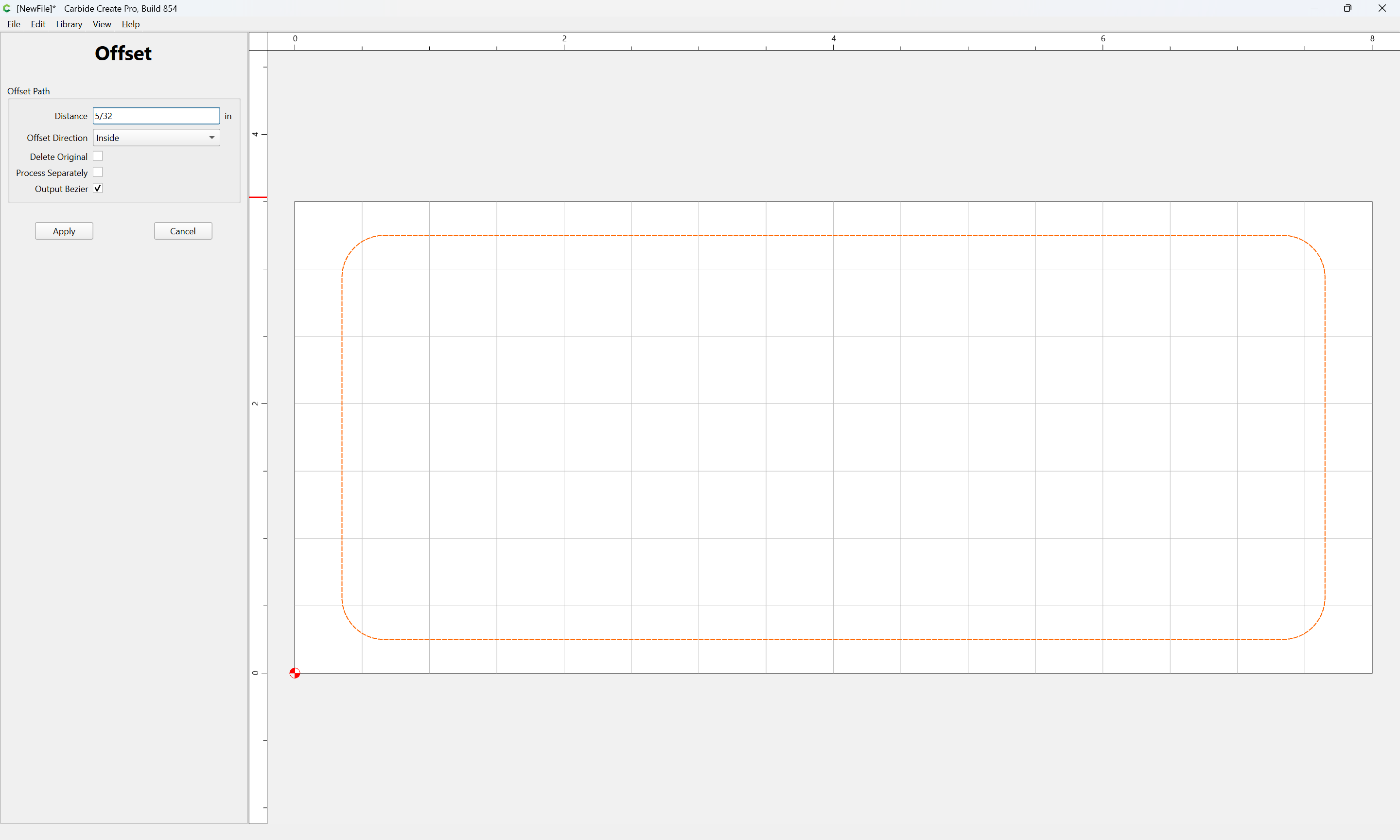
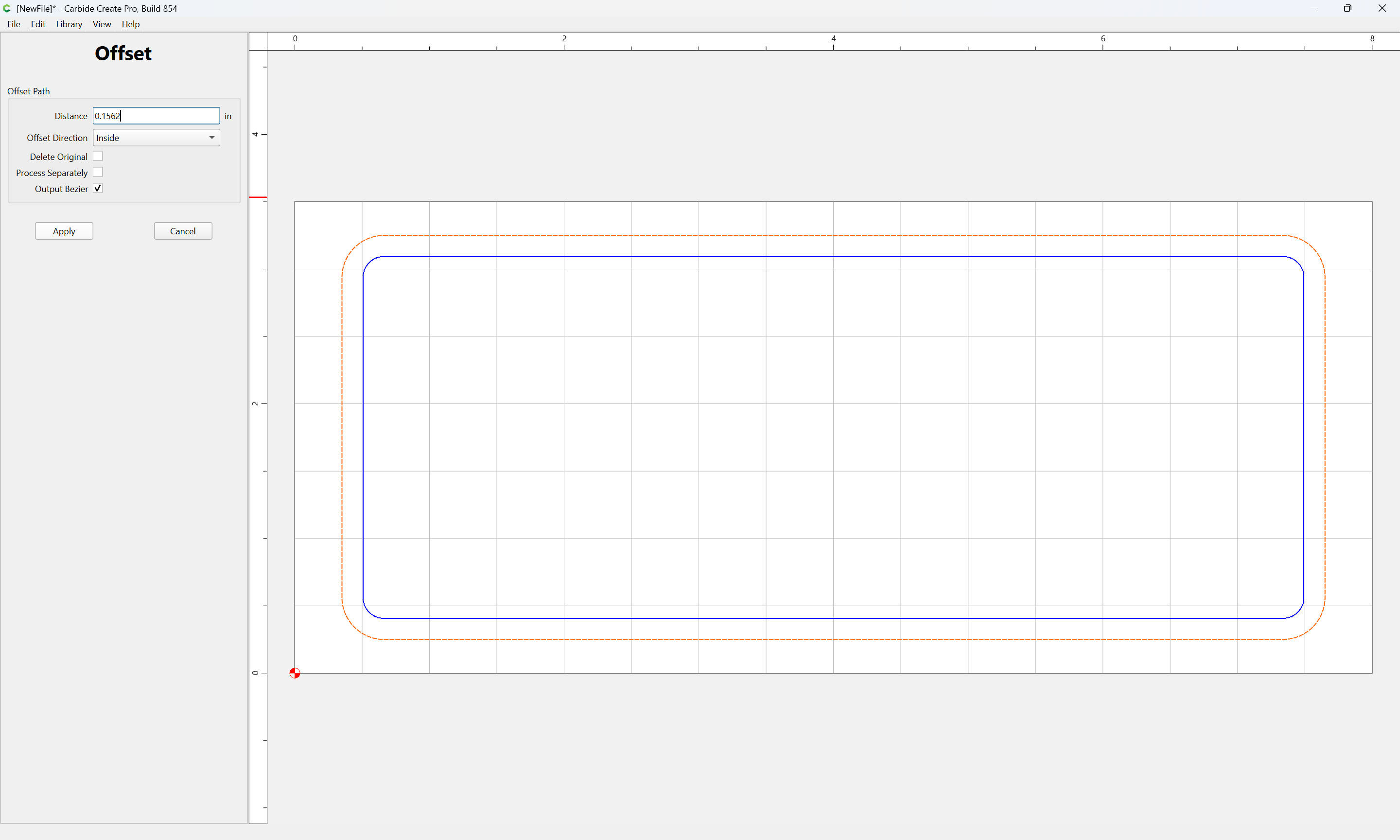
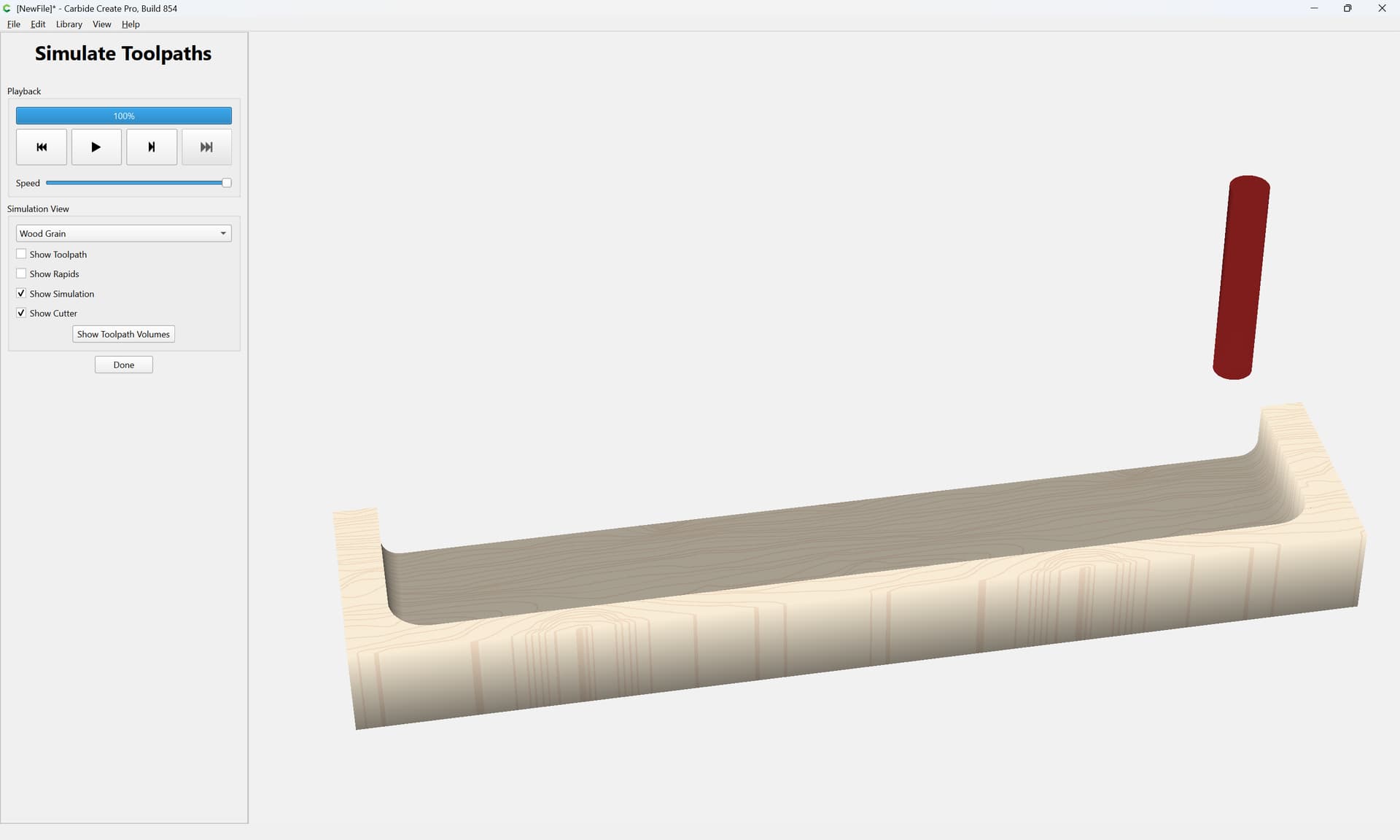
The issue I’m having is with the pocketing out. Originally I was using a bowl bit that worked well but was time consuming. I have been struggling with trying to speed up the time for pocketing using the IDC “Hog” bit followed up with a finish pass using a 1/2” Ballnose to smooth out the pocket and extend just past the “Hog” edge.
I’m trying to get the outer edge of the pocket to have a nice curved sidewall.
I am using Carbide Create free version and I’m wondering if there might been some limitations with the software….or just my design limitations.
Thanks for any help.
I haven’t yet used it, but a flat bottom bowl bit, is going to solve the “scalloping” issue caused by bullnose bits. I bought this, but haven’t got to that project yet,
Router bits with bearings can be a hazard on a cnc. If you can remove the bearing take it off. On a router table the bearing guides the bit from a reference edge. On a CNC the reference edge is the software. Having a bearing can cause you to lose zeros should the bearing hit something fixed. The router bit could just chew anything sticking out up but the bearing can cause a hard stop. Not good on a CNC.
I use the posted above Woodpeckers bits for smaller trays, bearings are removable. Used for the pocket finish pass, excellent finish. The radius corner finish looks much better than a square point angle and allows items to be picked up easier sometimes.