is there any advantage to use Festool Domino loose tenons instead of regular dowels? I mean can I achieve the same stability with lets say 3 dowels like with one Domino? (now where Kreg is about to sell an alternative such a device appears near one’s budget, but it is really worth to consider purely from the stability of the joint?)
1 Like
The big advantages the Festool Domino seems to have are:
- dust collection integration
- engineering of the mechanism to make the exertion/effort needed lower than that of other similar mechanisms
- larger surface area for glue/registration over a given span
- option of re-cutting a mis-placed mortise to one side or the other so as to achieve alignment w/ the matching one
(that last is the big advantage of the Domino)
Interestingly, Mafell’s similar device is a doweller:
and I suspect that they could have licensed the patent if they wished, so I would expect that if the quantity of dowels was increased this could be equalized and that with correct layout and usage all but the last point are reasonably equivalent.
For my part, I’m all-in on dowels, having bought a first-gen (DJ-1) Bridge City Tool Works Drilling Jig:
w/ a full set of accessories and compleat set of drilling inserts (which I need to find the time to make a case for), though I’ve been considering a Rockler Beadlock setup as “best of both worlds”, and if I won the lottery, I’d get a full set of Mafell tools, including the above.
That said, there has been a lengthy thread on this over at:
2 Likes
Thank you! I am in a process of designing a project with as much as possible CNC-work. Therefore I am grateful for the insight whether it would be useful to get a Festool -or even the new Kreg- for the few joints that need to be cut manually. And it seems not necessary in rgeards to stability, I probably may use just (2)-3 dowels instead of one Domino.
1 Like
Modern adhesives are amazing.
That said, which machine do you have?
What parts are you having trouble joining with it?
FWIW, I did look at Mortise and Tenon Joinery at:
(as well as a number of other options)
I’ve been reaching towards a “grand unified theory of joinery” and I believe I finally have a tool which will allow me to model/make any joint I want…
1 Like
William, thank you for the link, this site is already bookmarked for a while, kind of a bible…
I do not have problems, would like to avoid some. Intend to make Kevin’s middle century armchair. So far I designed the side piece:
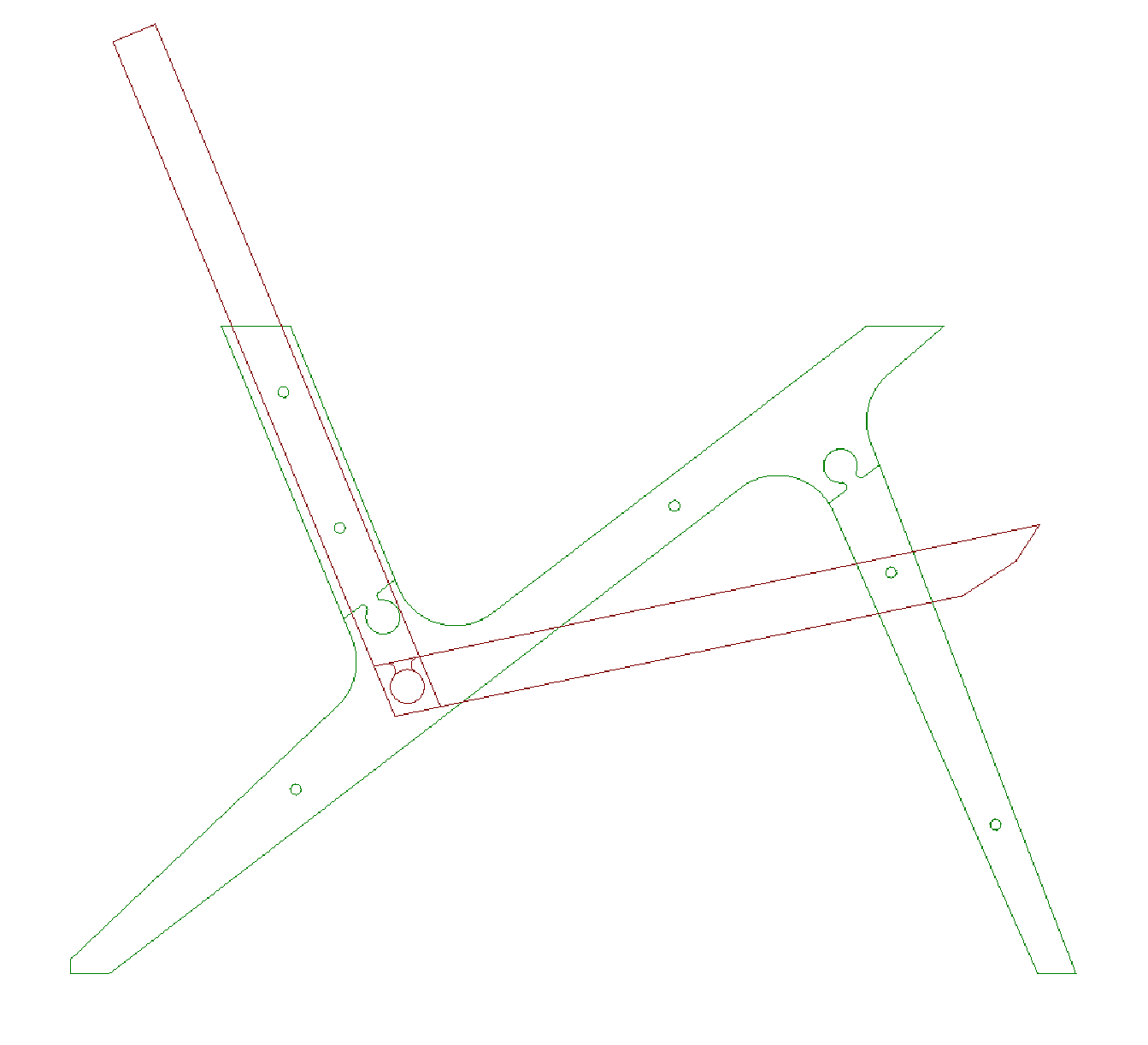
the round dowels holes are just for alignment, the pieces should be 2" thick so I will make them from 1" stock and glue them together. I have a Shapeoko pro XXL with the smaller spindle, max 1/4inch bit.
Worked well with these ones:
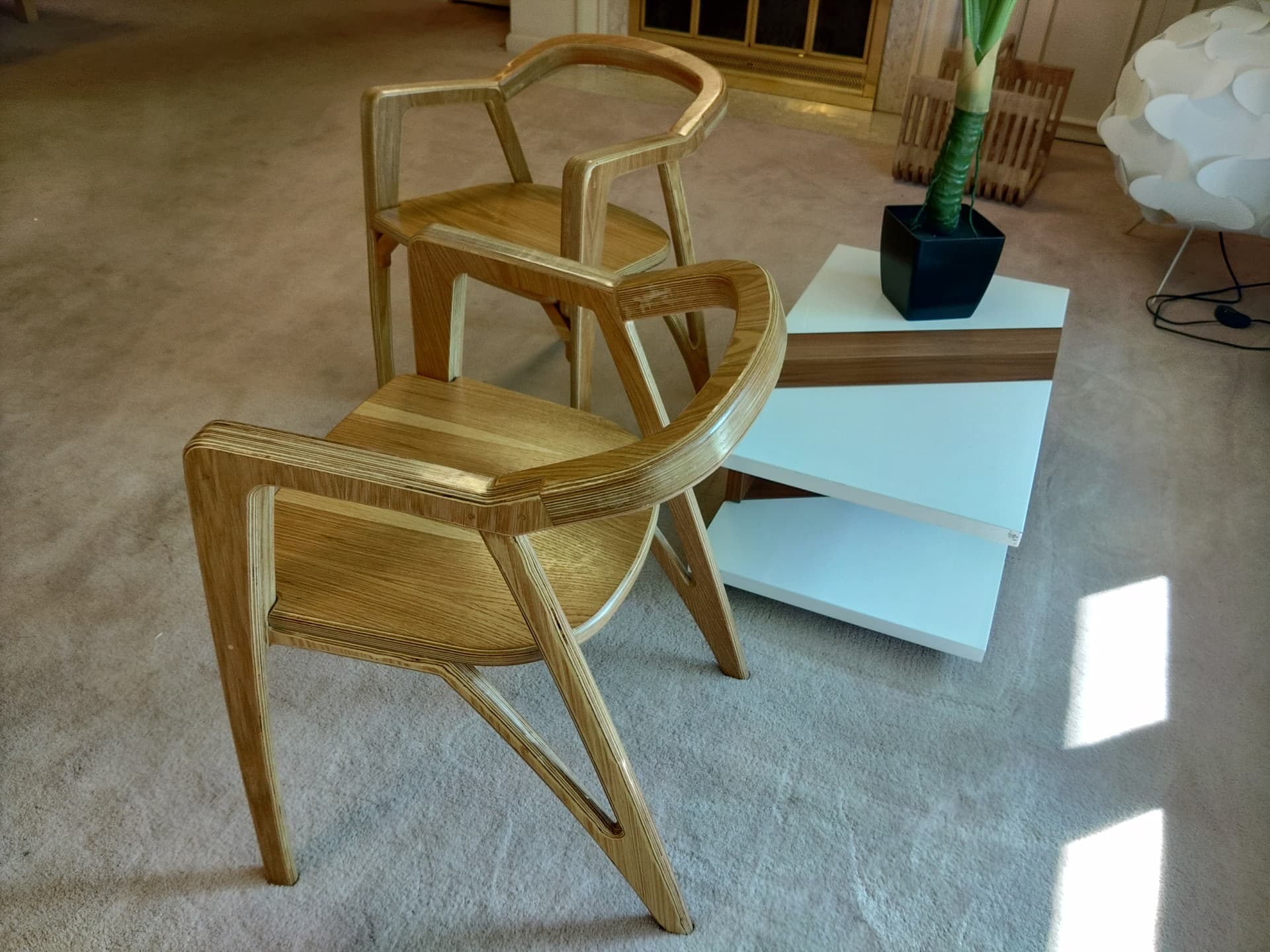
Still was some -not much- “manual” work.
Now with Kevin’s armchair I have to decide how to get the seat and the backrest attached. And I have some pounds to put in there, should be sturdy…
1 Like
If you want to upload the file and some sort of 3D view I’ll gladly kibbitz further.
~Armchair Kevin sides.dxf (186.8 KB)
sorry, a mess, very early in the making…
Isn’t this:
https://cutrocket.com/p/678fd39134027
I’m having a hard time seeing where the difficulty is in the joinery — aren’t all the parts designed to be cut flat and then fit together?
Domino vs dowel debate has run forever or at least since the Domino came out. I have a variety of ways to make tenons loose or fixed.
Jessem Pocket Mill Pro with Workstation (used a lot)
Jessem Dowel Master Kit that fits on Workstation (used a lot)
Rockler BeadLock (used a lot before getting the Jessem tools)
Milescraft Dowel Jig (used very little)
Stanley Doweling Jig No. 59 (used very little)
General Pro Doweling Jig (used very little)
Powermatic Tenoning Jig (used a lot)
The Festool Domino patent is running out soon. Kreg is coming out with a similar tool. The Festool is built like a tank. The Kreg is for weekend warriors. That is just my opinion after reviewing both. There is a big difference in price between the two.
Kreg also has a tool similar to the Jessem PocketMill Pro that they worked with Jessem to develop.
I have used all the tools I own and the Jessem Doweling Master Kit is the easiest to work with.
The Jessem Pocket Mill Pro makes Domino loose tenons and is also easy to work with. The issue with it is you take the work to it and with the Domino Tool you take the tool to the work. Both methods have advantages and disadvantages.
Dowels can be structural but are generally only for alignment. If you are going to use them for structure you need some very hard and large size material for strength. Most jigs only go up to 1/2" size so larger would need a shop made jig.
The Domino/Domino Like tools are much more structural. The tenons are wider and thicker. The material for the Festool brand are beech that are compressed and expand when wet with glue.
For general work that is not load bearing I would use the Dowels. The key is alignment and that can be tricky.
For load bearing work like a chair I would prefer the Domino Tenons, the Rockler BeadLock or traditional mortise and tenon.
As @WillAdams mentioned above the modern PVA glues are likely stronger than the wood itself. On joints I have personally witnessed failing the wood was pulled out around the joint but the actual joint did not fail just the wood around it.
Since you are a chair maker the safety of your customer is paramount. Given enough stress any wood joint can fail but typically if made properly it would take extraordinary abuse. I use TiteBond III for most general use because it is water proof. I use TiteBond 1 or 2 for segmented turning because the glue bond is more flexible. The 1 & 2 are not water proof and might dissolve with extended water contact.
The dowel vs tenon vs loose tenon debate rages on in the media but for me it is settled. The answer is “DEPENDS”
3 Likes
yes
So far the sides are not the issue, it is the connection between those and the seat / backrest, what is not started to design yet. Just learned that I will not use dowels, but tenon/mortise connections.
2 Likes
Thanks a lot! For that project I will rely on the glue, and mortise/tenons.


Disclaimer: I know the people mentioned below and consider them friends.
Phil Morley, over at the Center for Furniture Craftsmanship, almost exclusively uses dowels. His reasoning is something about long grain/end grain that ends up sounding like static because, as y’all have already mentioned, modern adhesives are amazing. You could probably make a canoe out of West System G/Flex if you were motivated.
More than anything else, the choice between dowels and dominos comes down to:
- What do I have access to?
- What do I have room for on the piece?
I mainly use dowels for registration and alignment. I’ll use a loose tenon (branded or otherwise) when I want more strength or when I can’t make an actual mortise and tenon (think table apron meeting round leg).
1 Like
Hit enter WAY too soon.
Libby Schrum, another CFC instructor, used to use dominos but has switched to sliding tapered dovetails for interior case joinery.
Aled Lewis, former CFC nine-month lead, prefers “proper” joinery, but that’s really whatever the piece calls for. Not proper as in “only hand cut dovetails”.
Bicyclette Furniture (in Brunswick, ME) use a lot of dominos.
So. There you have it: use glue.
4 Likes
I’ve rebuilt a lot of old furniture over time and my observation is that failed joints were doweled about 90% of the time. When a full M&T joint has failed usually on inspection one finds that it was poorly fitted in the first place, relying on glue rather than structure to hold it together, or made without (or with very small) shoulders around the tenon. Failed dovetails are very rare, though they are used quite differently and are probably irrelevant to this conversation.
Dowels are quite strong when new but it seems they don’t survive decades of wood movement and stresses and strains of use, particularly in chairs, over time. Is a domino any better or worse? I have no idea, I’m afraid. I suspect they will be better because they are asymmetric (resisting at least one dimension the joint can move in) and are generally made of stronger wood that matches the rest of the wood of the joint. Not that you can’t use higher quality dowels, but most furniture I’ve taken apart does not. The nasty “white wood” ones are the worst, might as well stick a noodle in there.
So, fitness for purpose becomes the determining factor. For modern factory furniture with a design life of five-ten years before throwing it away dowels are going to be fine, as will dominos I’m sure, (or even, heaven forfend, biscuits). For something intended to last longer joints that mechanically interlock and are designed to resist movement are going to do better. Joints that rely only on glue for strength are going to have a shorter half life.
All of the joint testing videos on Youtube test newly made joints; I think that’s pretty much irrelevant for the stuff I try to make. The weaknesses only appear over time with many cycles of seasonal wood movement and the stress of daily use. Real mortise and tenon joints, with pins where appropriate work really well and don’t take very long to make with modern shop equipment.
6 Likes
Still remember a presentation by a chairmaker when I was in college — he noted that the thing which taught him best was having a lifetime warranty on his chairs and having folks bring back broken ones for repair and that he didn’t make any money for the first few years until he learned how to address all possible failure modes/points, but that it had been decades since he had seen a chair for repair (other than refinishing) and he was nearing retirement and looking for an apprentice (which like the NYC engraving apprenticeship, I passed on — rather regret those choices and some days wish I’d done one or the other).
2 Likes
I learned a lot from that discussion here: do not trust dowels alone, do not trust glue alone.
So I will design the item with form-locking (hope that is the proper term…) features.
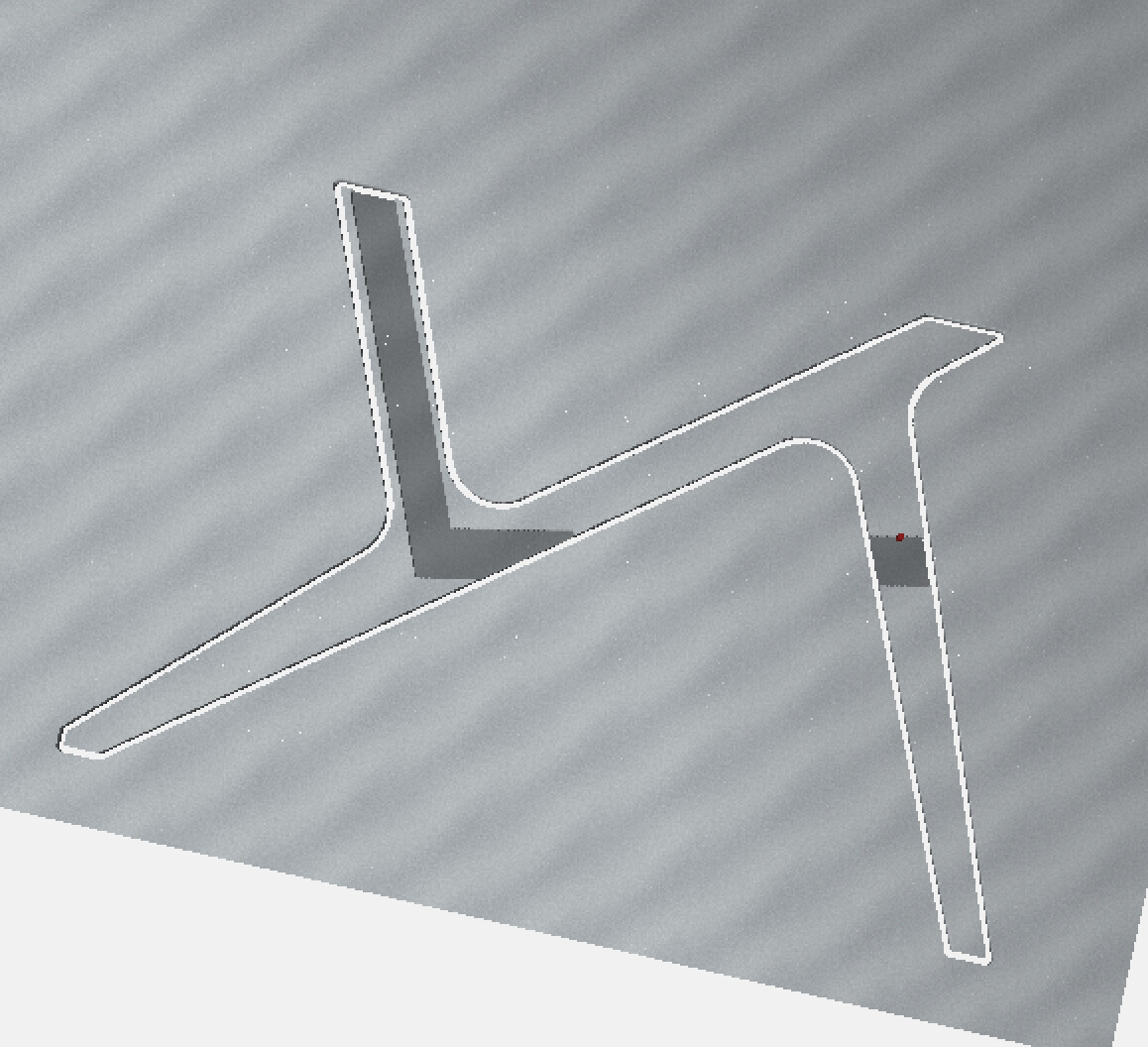
Armchair Kevin side cutout.c2d (80 KB)
Just in the making.
2 Likes
Great information on older joints/pieces. Just wanted to add two things:
-
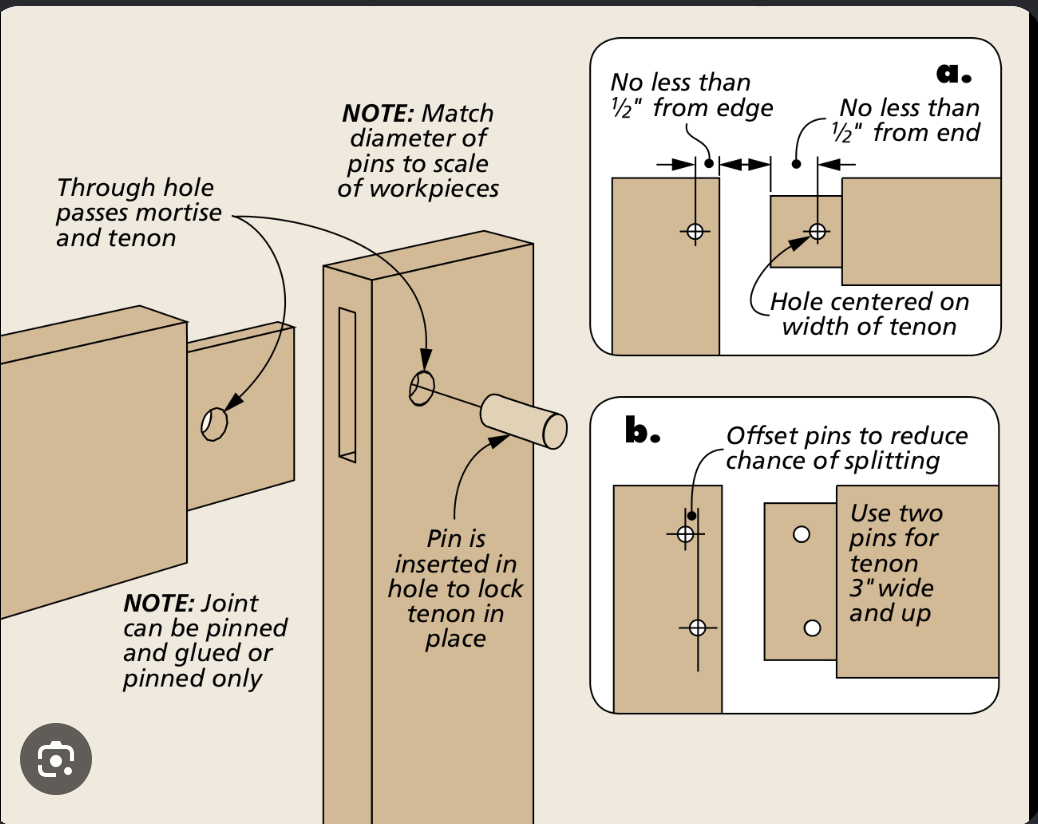
Historically, when glues weren’t as good as today, M&T joints were often pinned - a very small dowel inserted into slightly offset holes bored into the faces of the mortise and tenon:
-
For many, the biggest advantage to Dominos is accuracy is required only in one axis, and that’s usually set by the fence. Dowels need to be precisely located in two axes. If you’re using your CNC to mill the holes/mortises, then accuracy shouldn’t be an issue.
3 Likes
I consider myself a weekend warrior, but I do enjoy using the Festool Domino. I’ve built furniture with a simple Rockler doweling jig plus various sized dowels, and it is still rock solid a decade later.
I finally bought a Festool Domino five years ago and I haven’t used dowels since. The Domino is fast and easy to use in a wide variety of configurations for a number of different joints, but it is definitely a luxury purchase, at least for a hobbyist like me. I doubt the furniture I’ve built with dominoes is meaningful stronger than the stuff I built with dowels, but I do have more fun using it than drilling dowel holes.
1 Like
You are really opening up a can of worms!! HAHAHA.
I have always thought Festools are nice, but they are WAY overpriced and it seems in this new world, many of the folks who have them, have them to say “look what I have!!”
I have used dowels for decades and they work great. They are strong as hell and very easy to use accurately if you have the right tools. IMHO, three dowels of the same thickness are going to be as strong as a domino.
This topic was automatically closed after 30 days. New replies are no longer allowed.