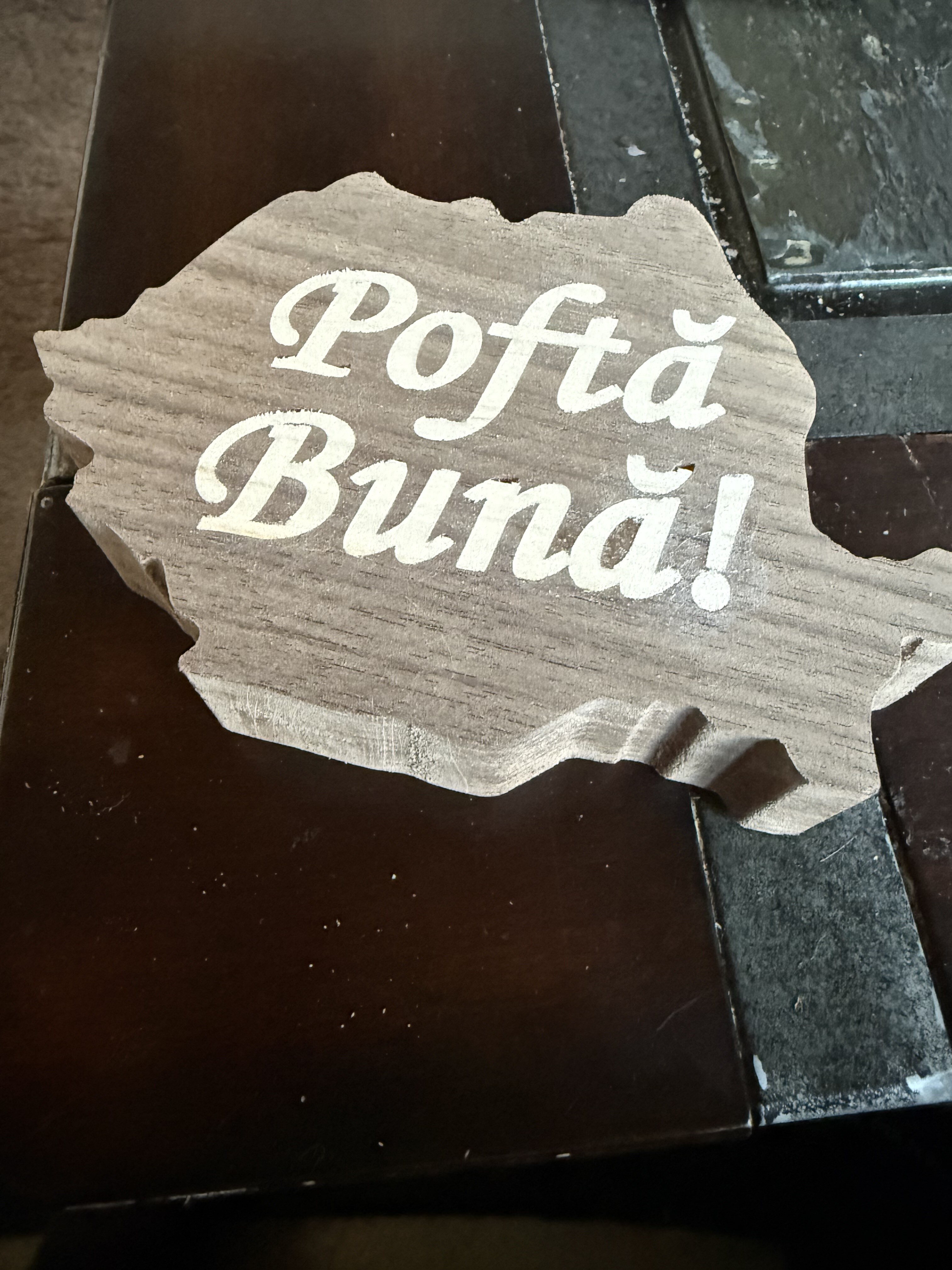
Was wondering if anyone has advice regarding my attempts at inlays.
I’m trying to make some coasters for my in-laws. The plug depth is .28 inches and I’m using a 60degree v carve bit.
After I glue the plug and clamp and let it sit for a day and then machine the male plug off - and sand the last .001-0.002 inches off to smooth it and remove the glue marks - I tend to get the ends of the letters chipping out.
I’m not sure what I’m doing wrong - do I not spread the glue evenly enough? Is the .28 not enough of a depth to cut and glue into without the tear out happening? Should I leave it glued and clamped for longer than 24h? Should I cut .001-.002 deeper when cutting off the male plug to expose the inlay?
I’m scratching my head but I assume this is a common mistake to someone experienced in inlays - so please help a fella make his in-laws happy.
There could be a lot of reasons for it which aren’t toolpath related. Looks like its the inlay plug that’s lost material not the pocket.
What type of wood is the inlay and how is the grain oriented?
What type of glue? 24 hours is plenty for Titebond type wood glues in proper weather.
Is there dried glue in those voids or nothing?
Sanding with a block or a power sander?
The areas that look to be chipped out or fuzzy are all on the north edge not the sides or south edge of the cut. That could happen if the grain is running horizontal and it loses integrity on the thin sharp corners along a grain line. This happens to me with pine all the time on regular pieces not inlays. Wants to splinter at grain lines that were solid moments before. Drives me nuts. Sanding the entire piece thinner will make the apparent size of the letters shrink but probably not enough to eliminate the gaps. I usually repair gaps mixing dye into wood filler or epoxy depending how its going to be used and what finish will be applied…
That really seems extreme. Inadequate glue and insufficient clamping pressure, perhaps combined with woods that aren’t particularly strong, seem like a good place to start looking. I use Titebond II, but enough to ensure that there’s plenty of squeeze out everywhere. I use c clamps with backing blocks to distribute the pressure and clamp them down pretty tight. I’ve been bandsawing off the upper layer leaving a half a mm or so and sanding with a drum sander to get it flush then RO sander for finish sanding.
I’ve seen thin ends chip out, but there are still the remains of the wood and glue underneath the chip. It looks like you’re pulling chunks out wholesale as if they are not securely glued in.
You might also try a gap filling glue like epoxy. Sticking with tough, fine grained hardwoods (maple, cherry, walnut all work great) will also help.