Is it possible to do Inlay with very small v bits?

Multiple question here. :slight_smile:

If anybody succeded, please let me know which bit and how you created the bit in CC?

What is the smallest V-bit are you using for Inlay? 30, 45, 20, 6, …

I Tried 10 degree or so (SpeTool – Innovative Woodworking Tools for Precision & Clean Results) but as we all know, CC does not support those bit like many other software do. I got bad result.

So are you succeding with small v-bit?

I am thinking changing software. What are the good and not too expensive software I can use?

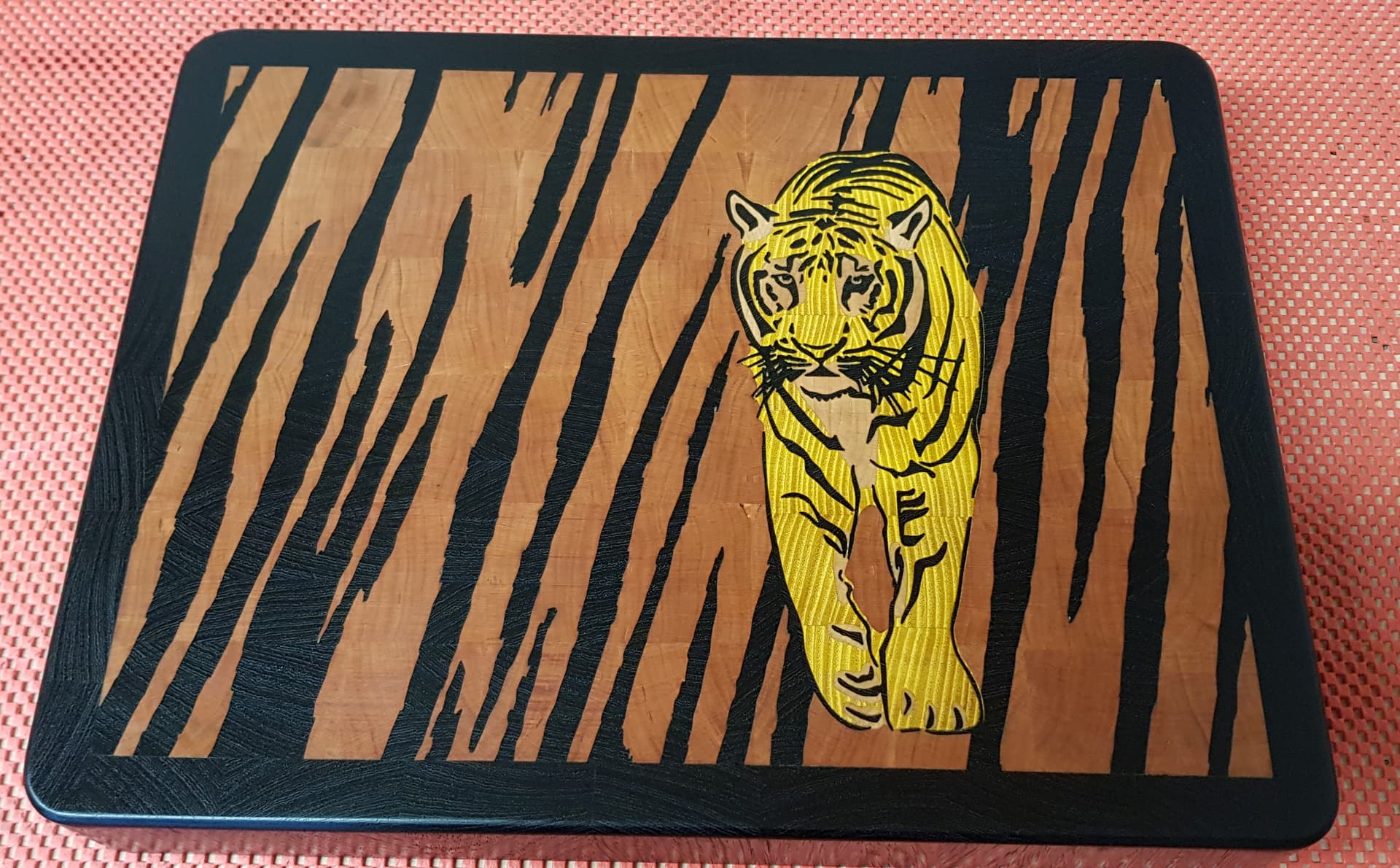
I am new so by no means an expert, but I use a 60 deg bit and the free version of CC with success.Here is one example:

4 Likes

This won’t be a huge amount of help I’m afraid, but it is possible to use small angled bits.

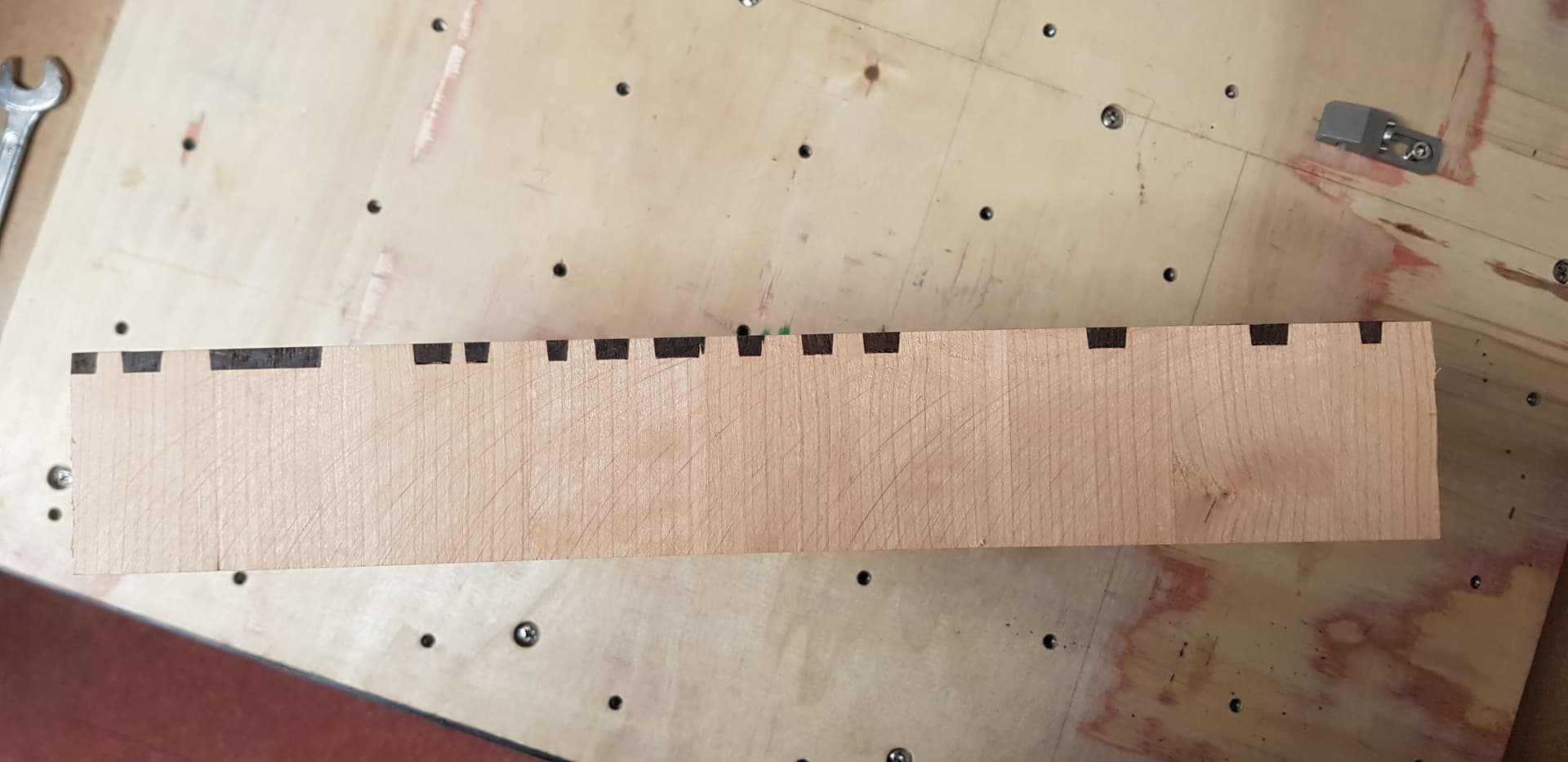
I have done lots of inlays, all 6mm deep, using a 9.7 degree TBN.

Here is an example:

This is an edge before I attached the Wenge border:

The only problem is that I can’t advise how to do it in CC, as I use Vectric v-carve.
It still took a lot of figuring out and many practices before I got the perfect fits. All I can say is keep practicing (I used MDF to practice).

Best of luck!

2 Likes

20 deg is what I use.


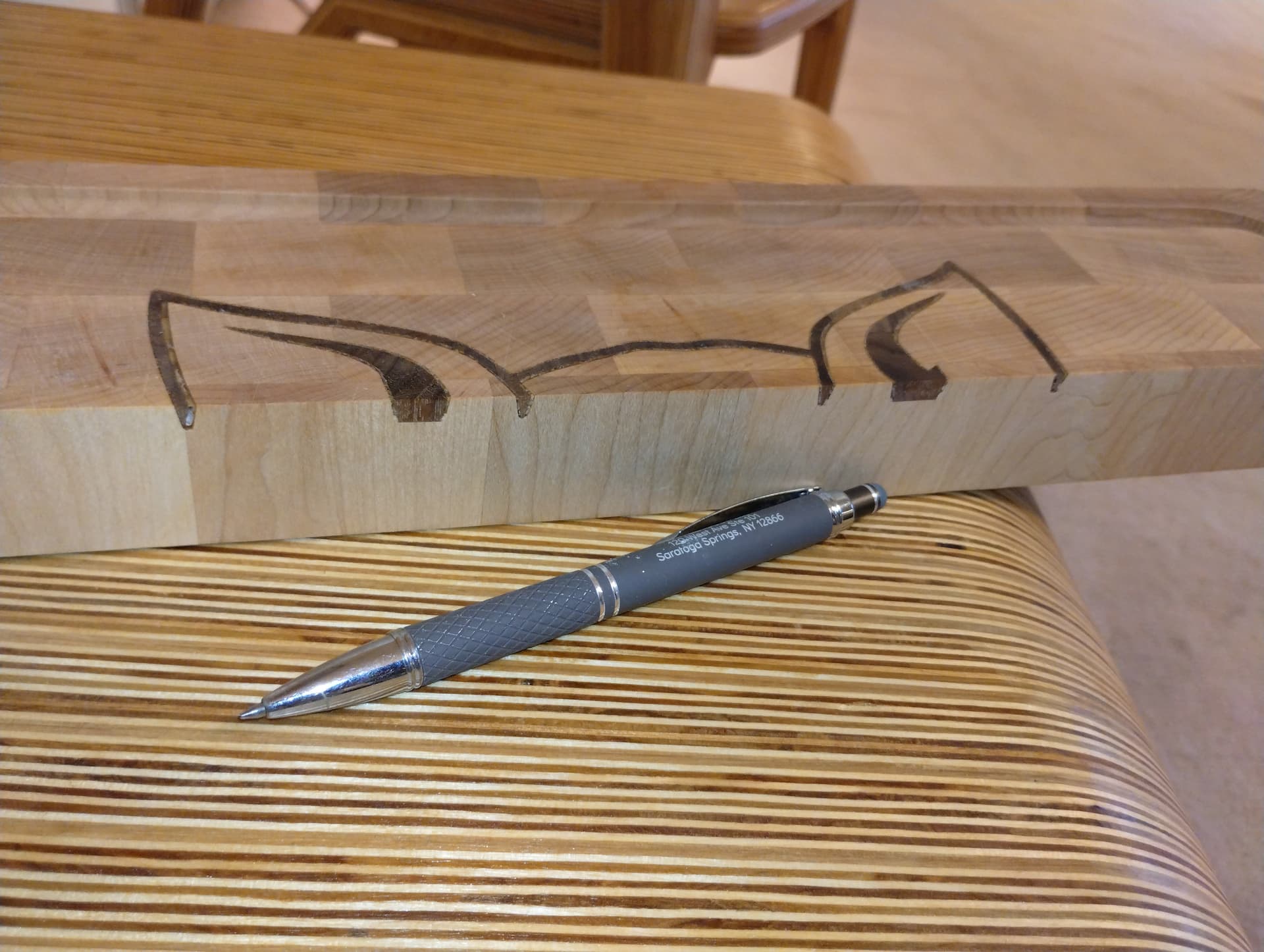
(the cut board is not a good example how the inlay fits thats why I just use it for demonstration of the depth)
And yes, functionally for a cutting board that is supposed to be used a deeper inlay also for narrow structures is preferrabe IMO because it can be almost endlessly sanded if the surface is worn.
I have no experience with bits with lower angle.

3 Likes

I use this guy with great success.

2 Likes

You’re mixing your terminology here. Your post talks about V bits, but your example is a TBN (tapered ball nose). Although superficially similar, they are not the same and generally are not interchangeable.

So, the answer is “CC expects V Bits to be V Bits, not TBNs”.

2 Likes

That would be why I said “small angled bit” and not V bit!

There is more than one way to skin a cat (or tiger!).

I was just trying to show the OP that there are other ways to create a good inlay other than using a V bit.

Regardless of software, only a perfect V cutter can make a technically correct inlay, but no V cuter is truly perfect- they usually have a .005-.010" flat at the tip. That’s pretty small, which puts it in the range of close-enough to work well in a compliant material like wood with a small glue gap at the bottom.

You can use a tapered ball mill to cut an inlay too, but the further a V cutter or tapered ball mill gets from a perfect point, the further the geometry gets from technically correct.

Use a cutter with the smallest tip you can, whether the tip is flat or a ball, and apply pressure to seat the plug, and it should be fine.

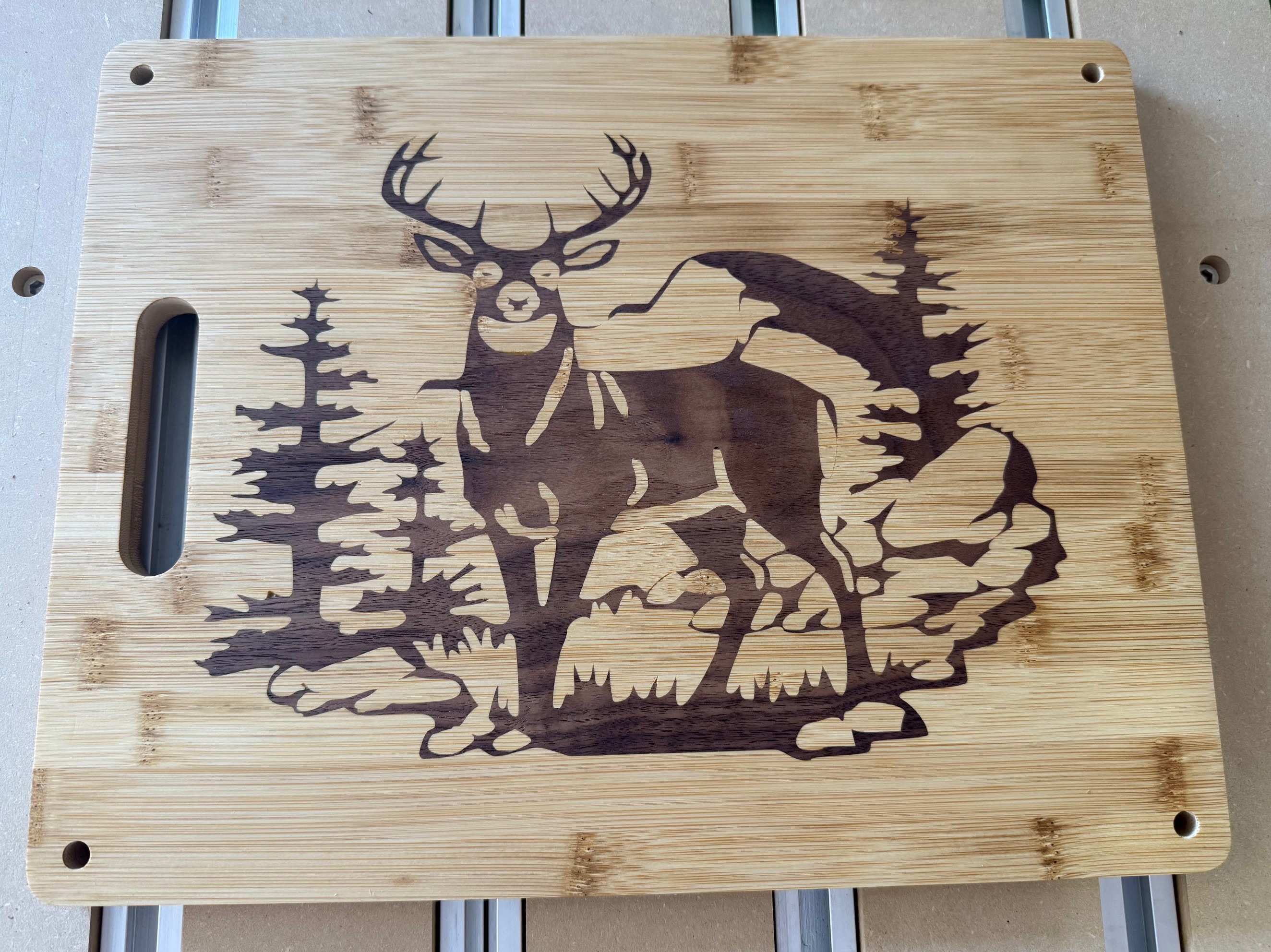
2 Likes

Finally got something good with all your tips, thank you all.
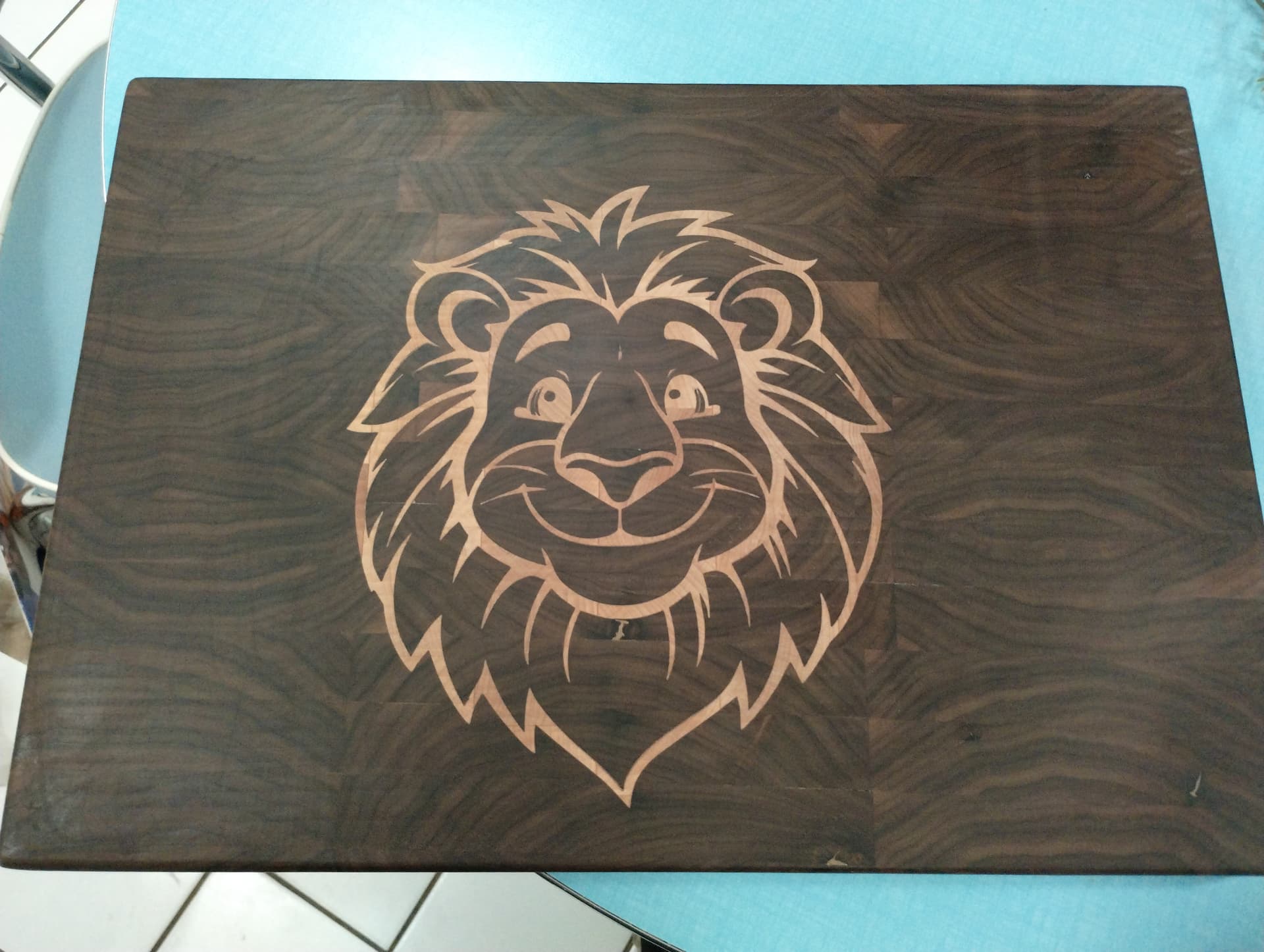
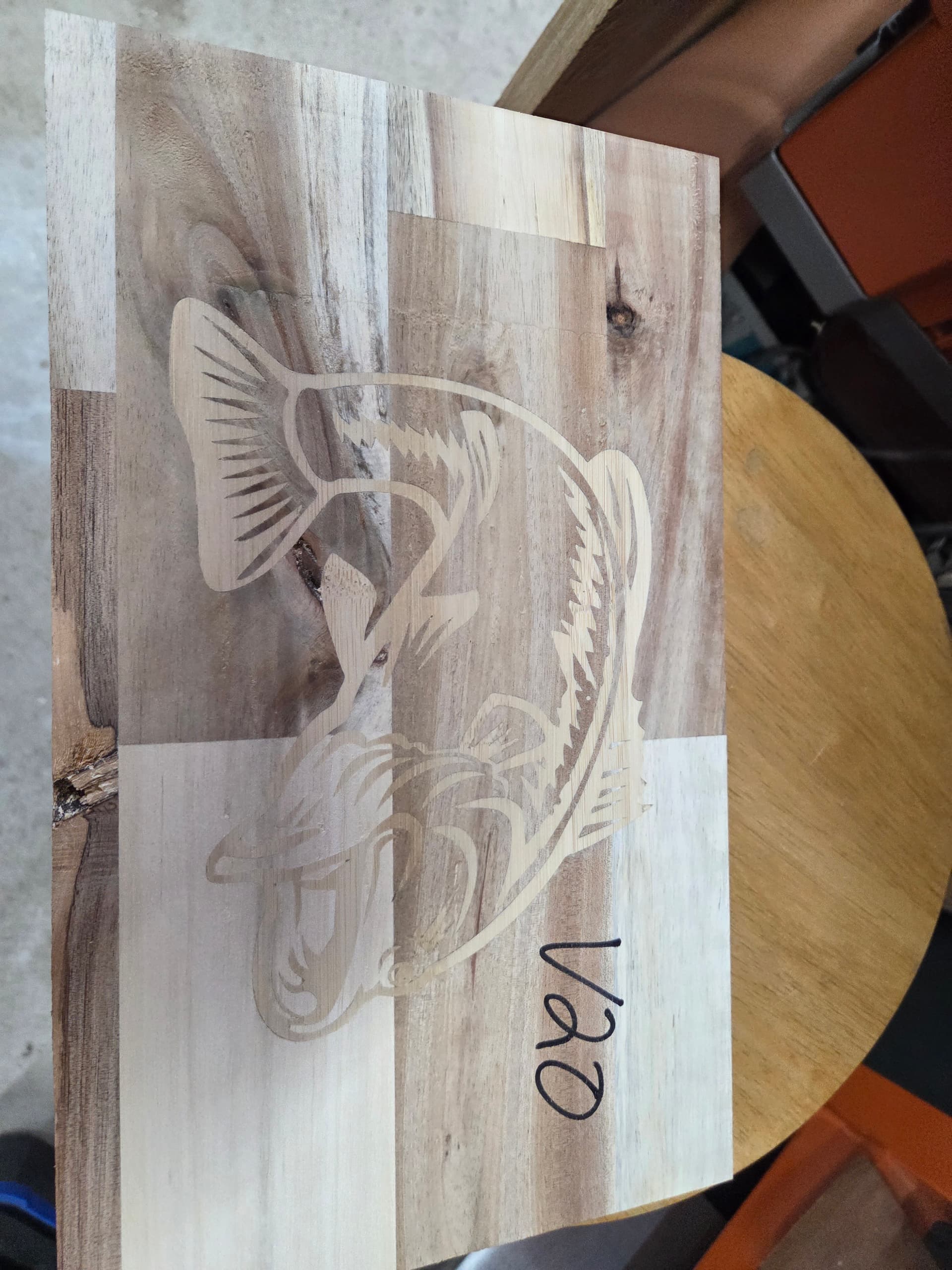
I will now work only with 20 or 30 degree v-bits. Here is the result I got with a V20. :slight_smile:

This is a test with scrap wood, acacia and bamboo

3 Likes

This topic was automatically closed 30 days after the last reply. New replies are no longer allowed.