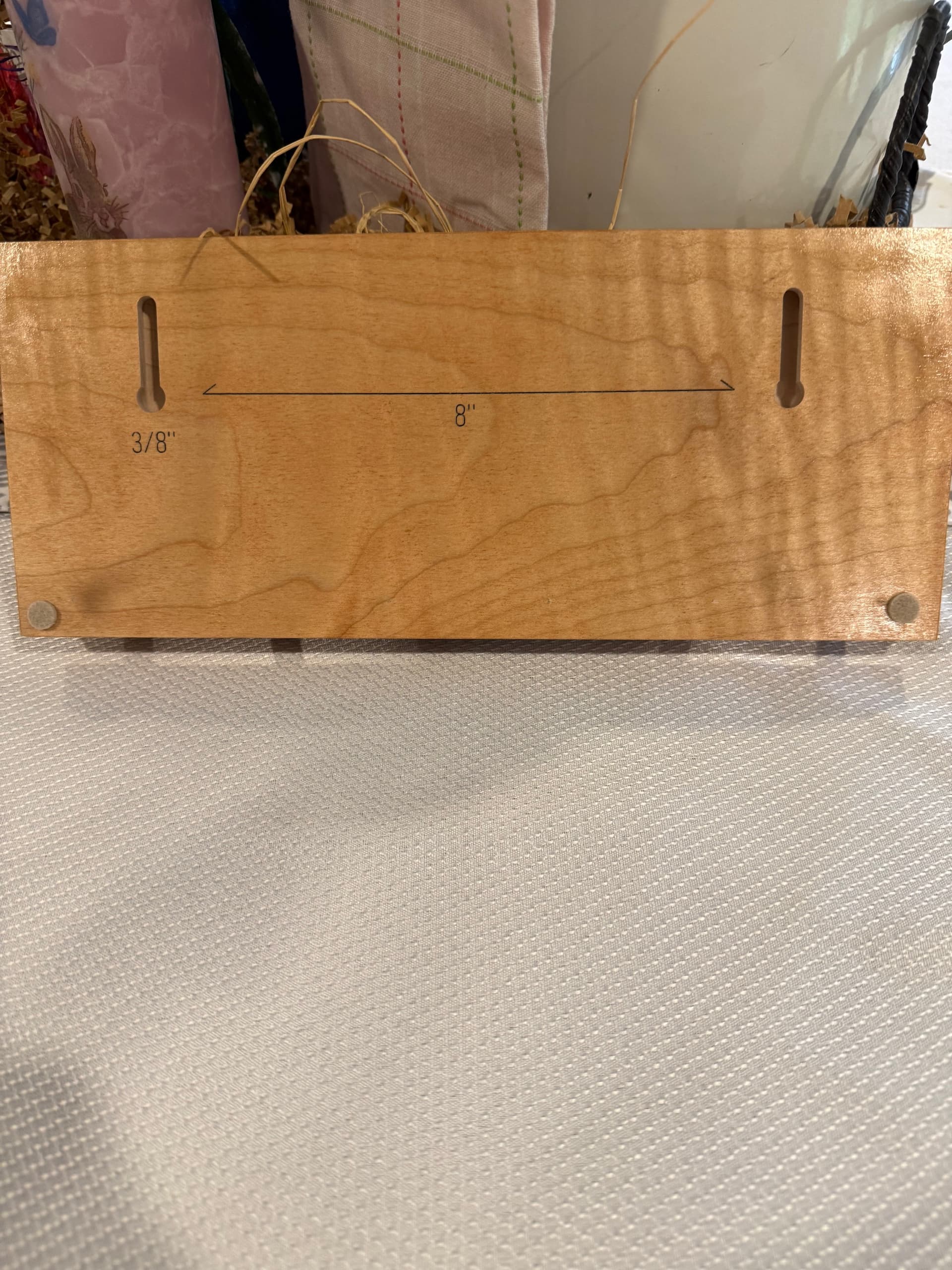
I’m in the process of designing a magnetic knife holder for a neighbor. I initially thought I would cut keyholes on the backside to use to anchor it to the wall, but since I can’t carve out the backside of the slot for the anchor/screw head to slide/lock-into I may need another solution. OR, does the whole piece need to be tapped down to force the screw heads to dig into the channel?
Does anyone have a recommendation on how to use keyholes for this purpose?
Another thought was to carve a horizontal channel that would fit to a reciprocal rail that could be more easily be mounted to the wall, but screws or dowels would be needed at the top and bottom to hold the pieces together.
Tourist info that may help with other ideas for this:
The magnets are a couple of the Harbor Freight tool magnet strips that will be affixed one over the other to the bottom of pocket on the backside. I believe if I leave 0.1"-0.05" of material the magnets will be more than strong enough to hold kitchen knives in place on the frontside.
As you said the keyhole may not be the best bet. Since you have sharp knives you dont want them pulling the mount off the wall while pulling a knife from the magnetic block. Knocking the mount down on top of the screw heads would not work because there is nothing to keep the block from wiggling and eventually loosening the knife block.
Your best bet would be a dovetail piece you can anchor to the wall and then slide the knife holder in from the side. A french cleat is similar to a dovetail but has the same danger of lifting off the wall as keyholes.
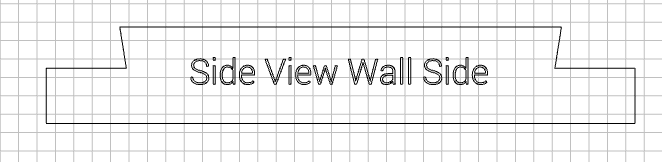
Thanks @gdon_2003, that’s kind of what I was thinking with the channel and rail idea (without the angled notch to lock it in), but I don’t know how I would cut the dovetail in the back of the holder, unless I attempted it by hand. I probably have a dovetail router bit in my bag and never really thought about setting it up as a tool for the CNC (presumably unsupported, like the roundover etc).
I think if you use a wall anchor with the correct head size which I believe is 3/8" for the keyhole bit, the knife holder would hold just fine. Most of the ones you buy on the market use key holes and some even add double sided sticky tape to create extra holding power.
It does seem like the easier approach and something I should be able to do anyway, so looks like new tool time.
Both good options. I’ve put French Cleats on several wall hangings, but the knife holder is a bit different, for reasons mentioned above. Another tool and a little education and practice on both methods probably in my near future.
I think you may have posted this or something else similar, because I remember seeing the dimensions carved on the back and thinking how clever and helpful that was. Really good idea! Thanks again!
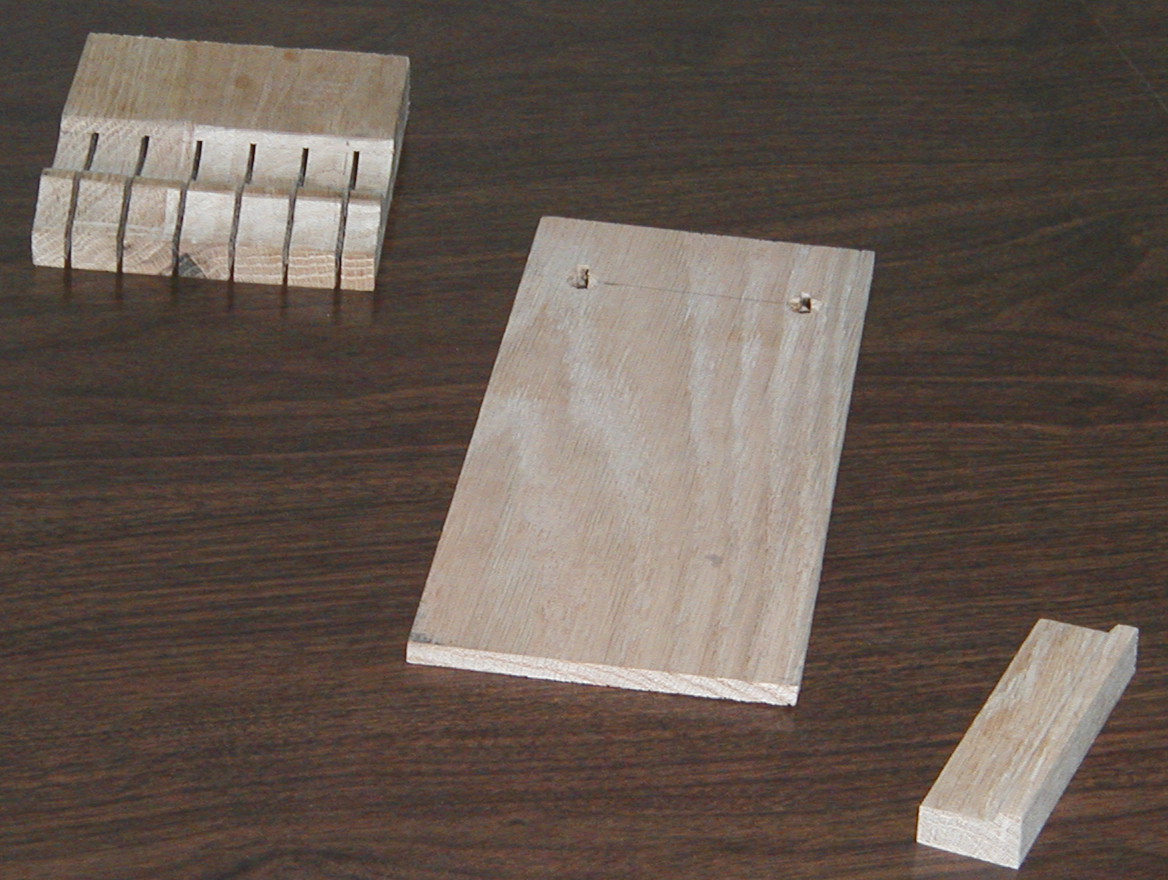
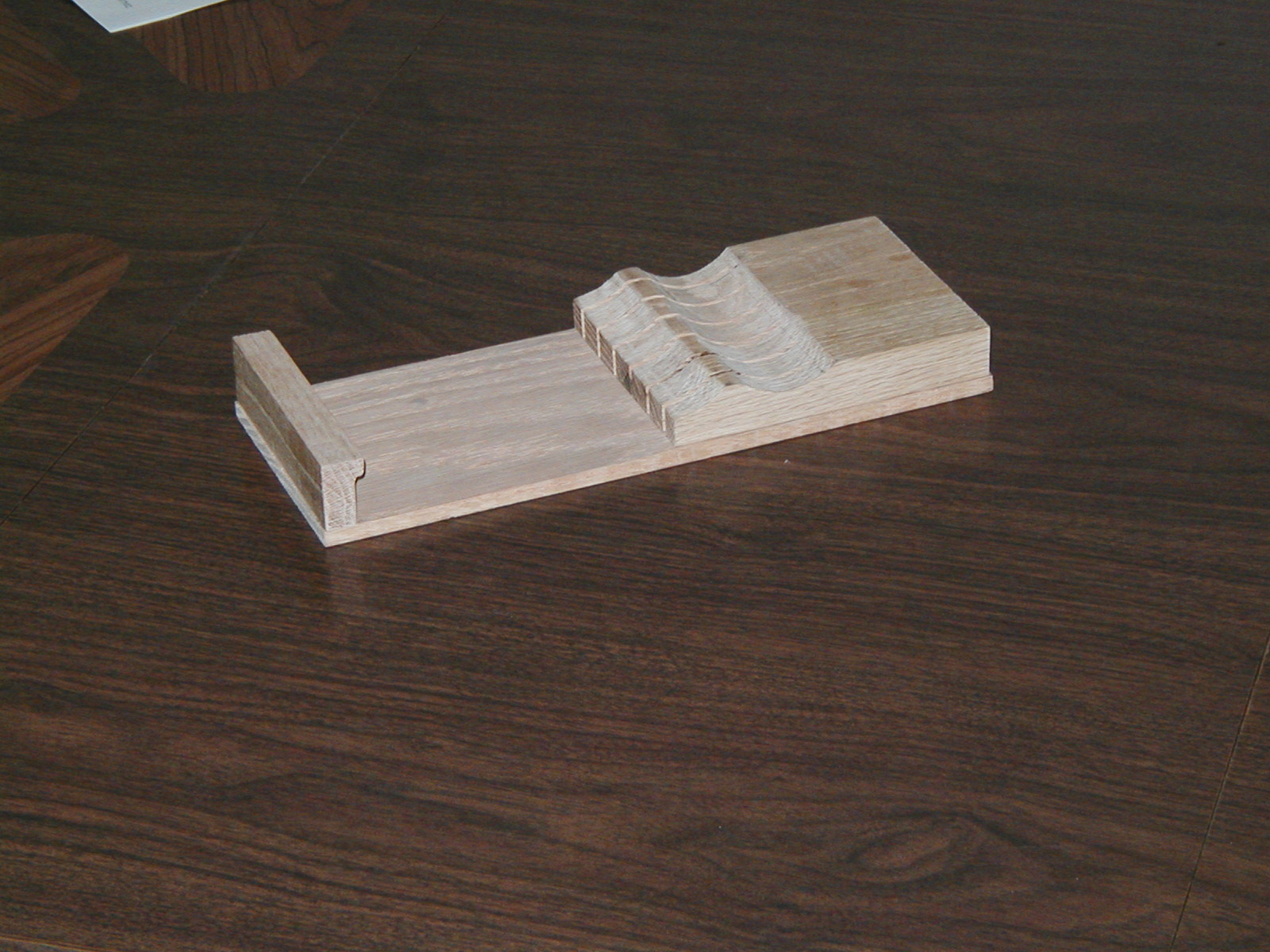
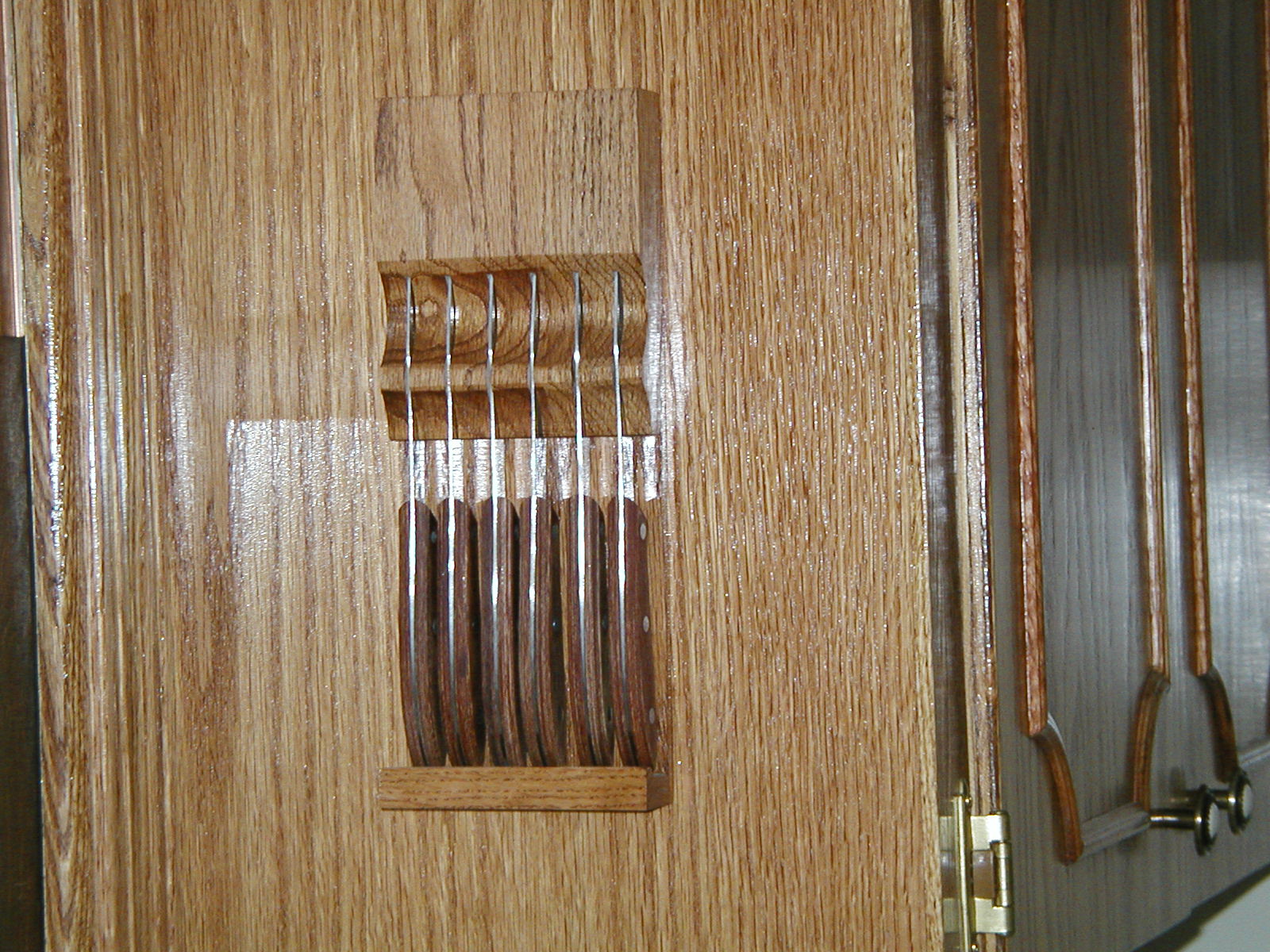
I used keyhole slots to make this three piece steak knife holder. Pre CNC
It has been on the side of our kitchen cupboard for over 20 years and except for the couple of times when we applied a new finish to the cupboards or installed new curtains it has stayed put.
There is a debate as to whether keyhole slots should be vertical or horizontal. I always do vertical but then recently I saw someone doing it horizontal.
I guess if there is room for only one and you don’t know the center of gravity of the piece then maybe horizontal gives you the ability to slide a little one way or the other for balance.
I usually do mine vertical as well. Then I saw a couple videos of them horizontally and questioned if I was doing them right. To steal a quote… Right is in the eye of the beholder
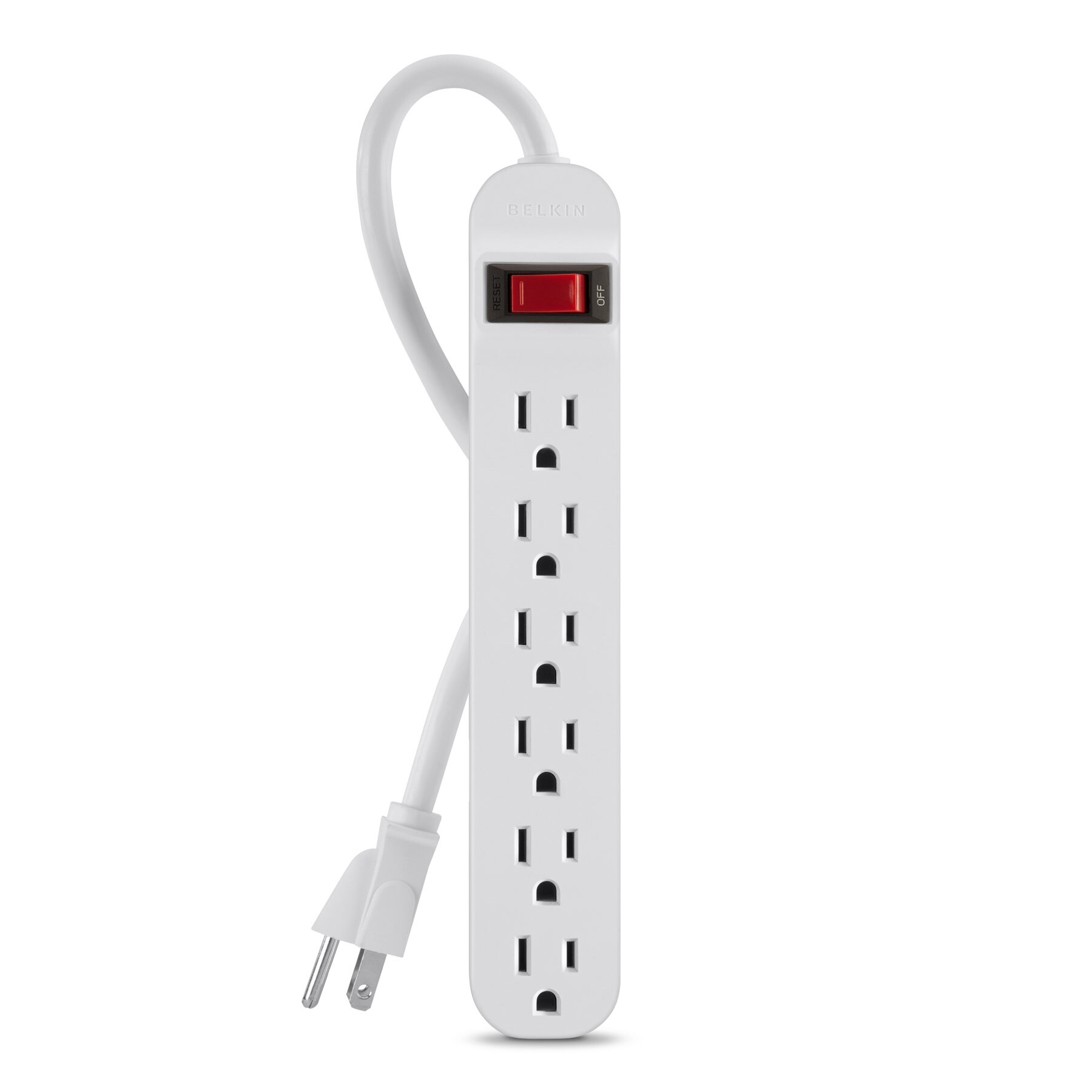
I’ve seen them horizontal only on power strips and surge protectors, but in hindsight, maybe whenever I hung power strips I’ve been orienting them the wrong way.
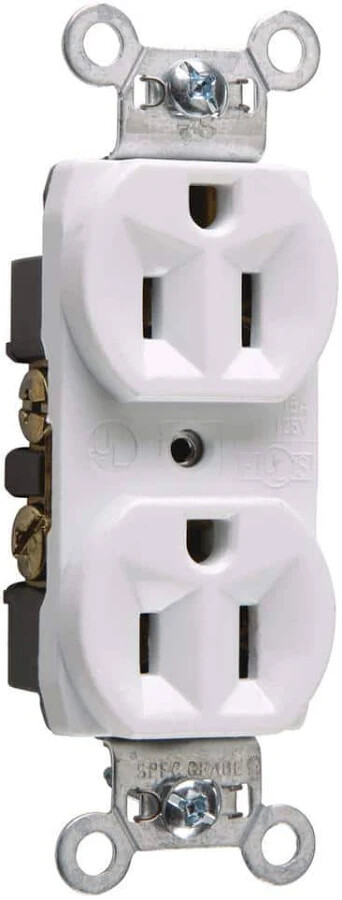
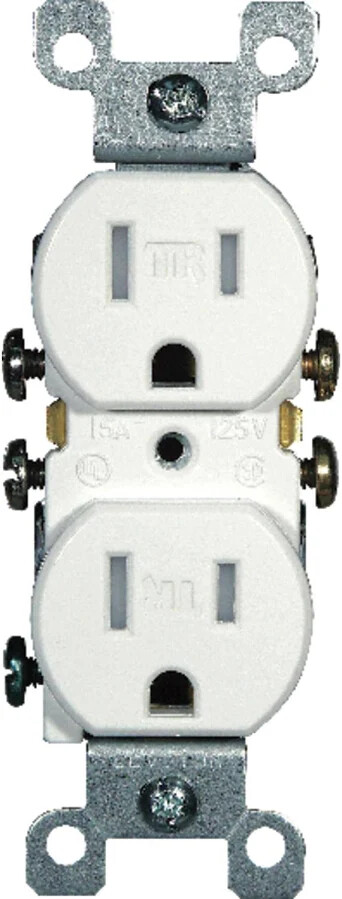
Electrical outlets can be oriented with the ground up or down. There is no NEC rule for either orientation. When I did my electrical in my house I have the ground pointed up. My thinking is if something slides down on something plugged up hopefully it will hit the ground and not short out the hot and neutral.
The last electrical power strip I bought I picked one that the electrical plugins were oriented so things plugged in were oriented up because some plugs or transformers dont fit well with the outlets in a horizontal orientation.
An Electrician who did some work for us outside recommend the very same thing; ground connection at the top.
And, since we’ve drifted off topic a already…
A pet peeve of mine is the orientation of the outlet on the white power strip you included or at least the size and shape of the transformer plugs. A 6-port strip effectively becomes a 3-port strip. < /ragemoment >