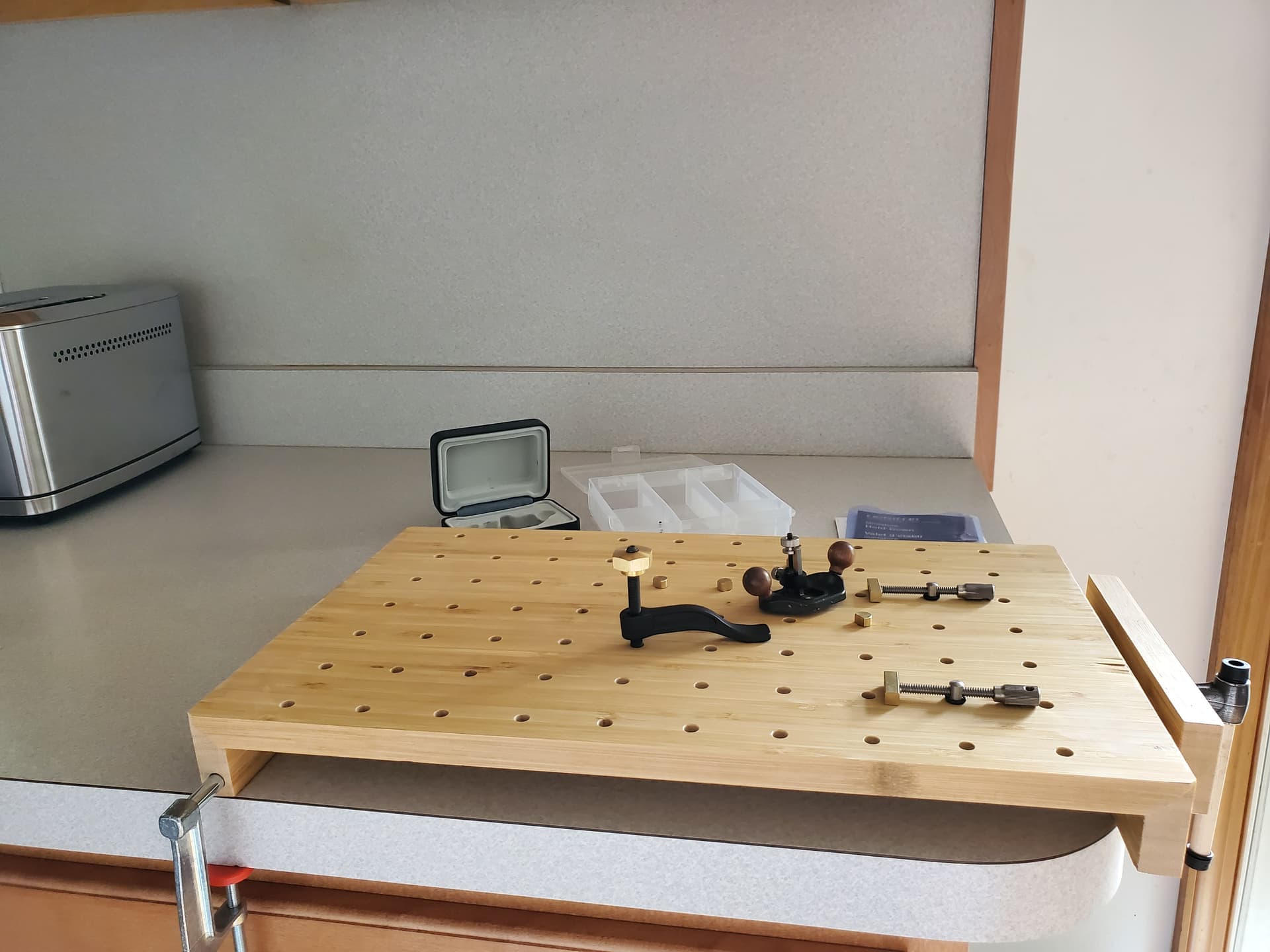
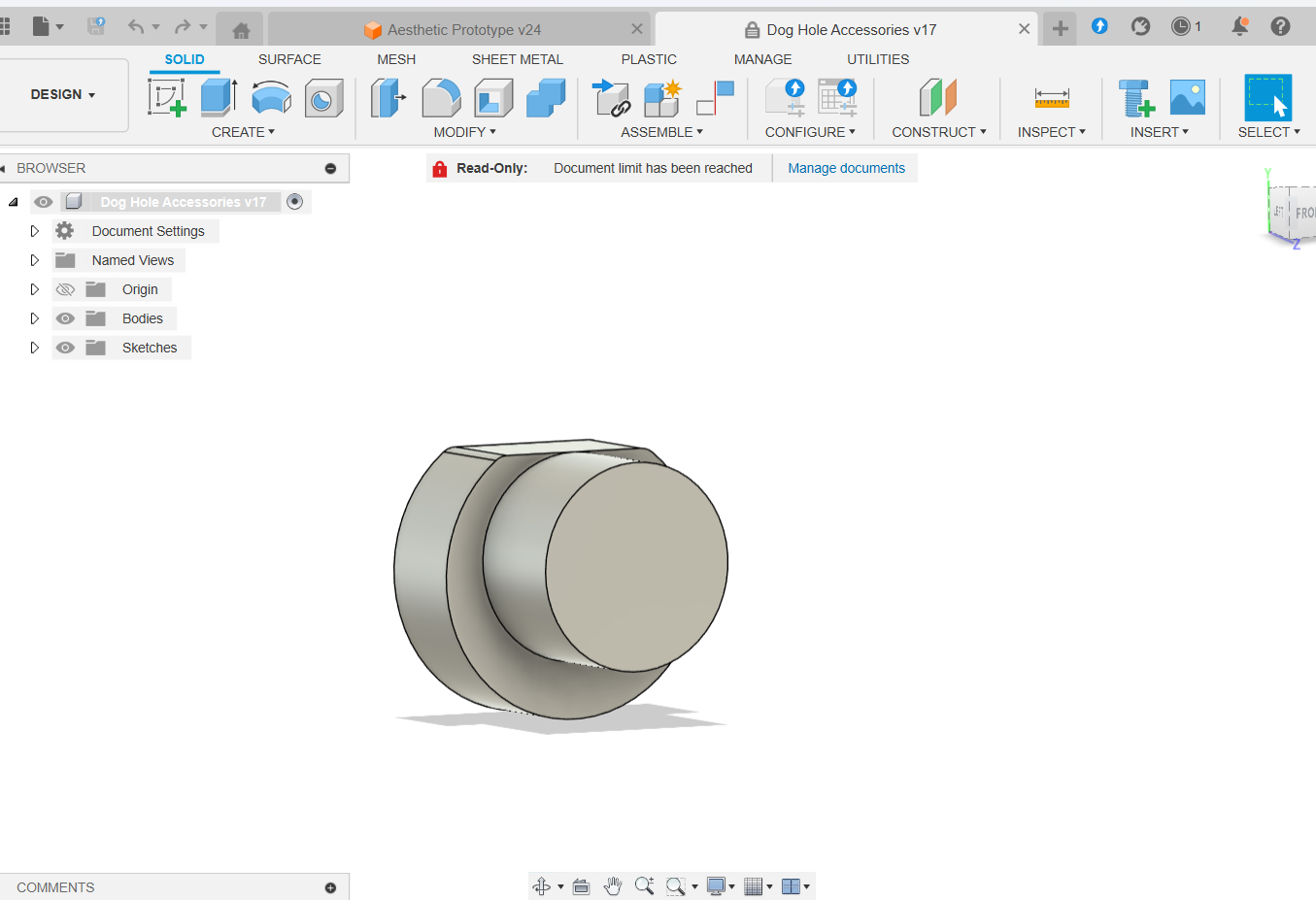
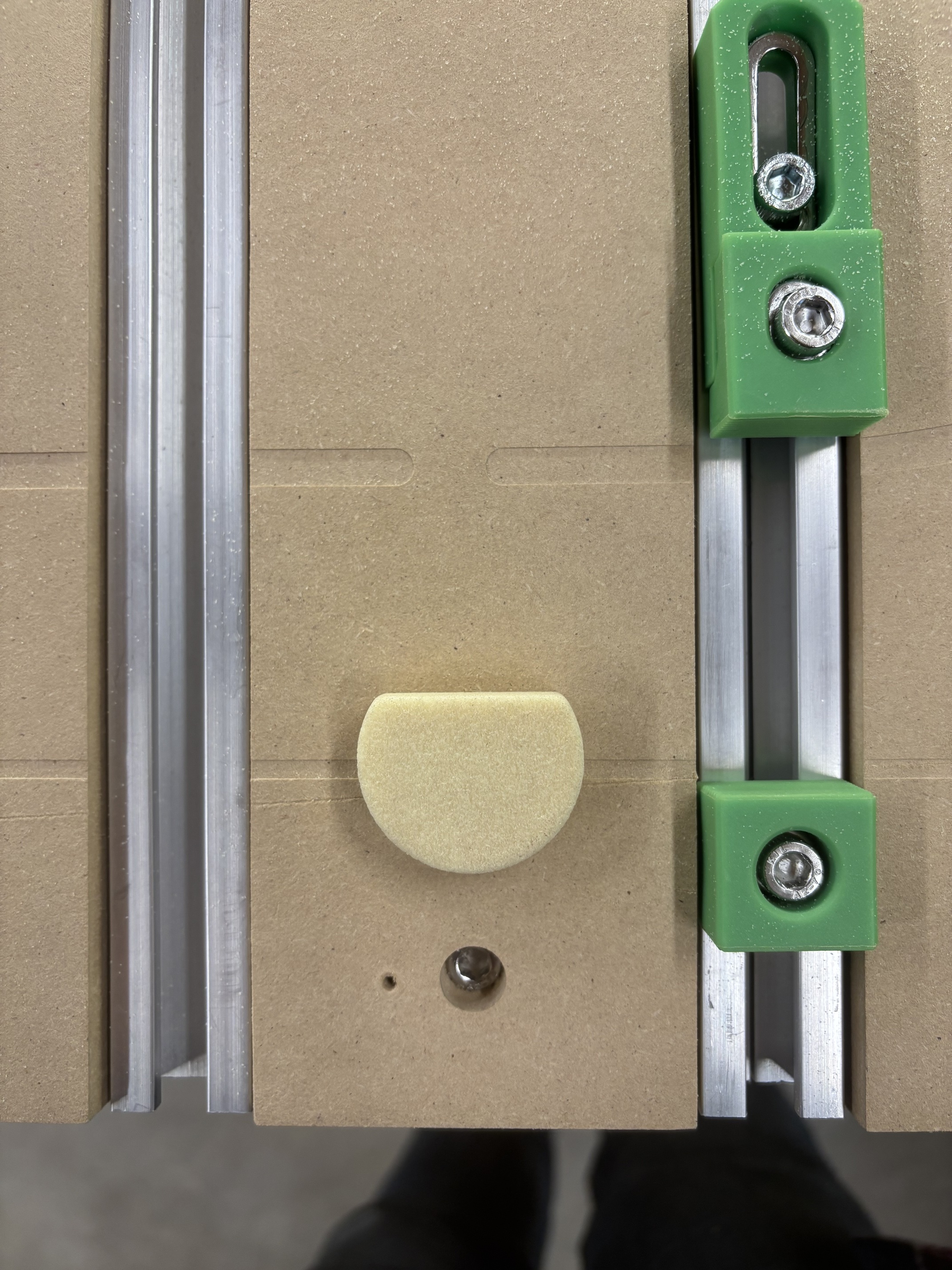
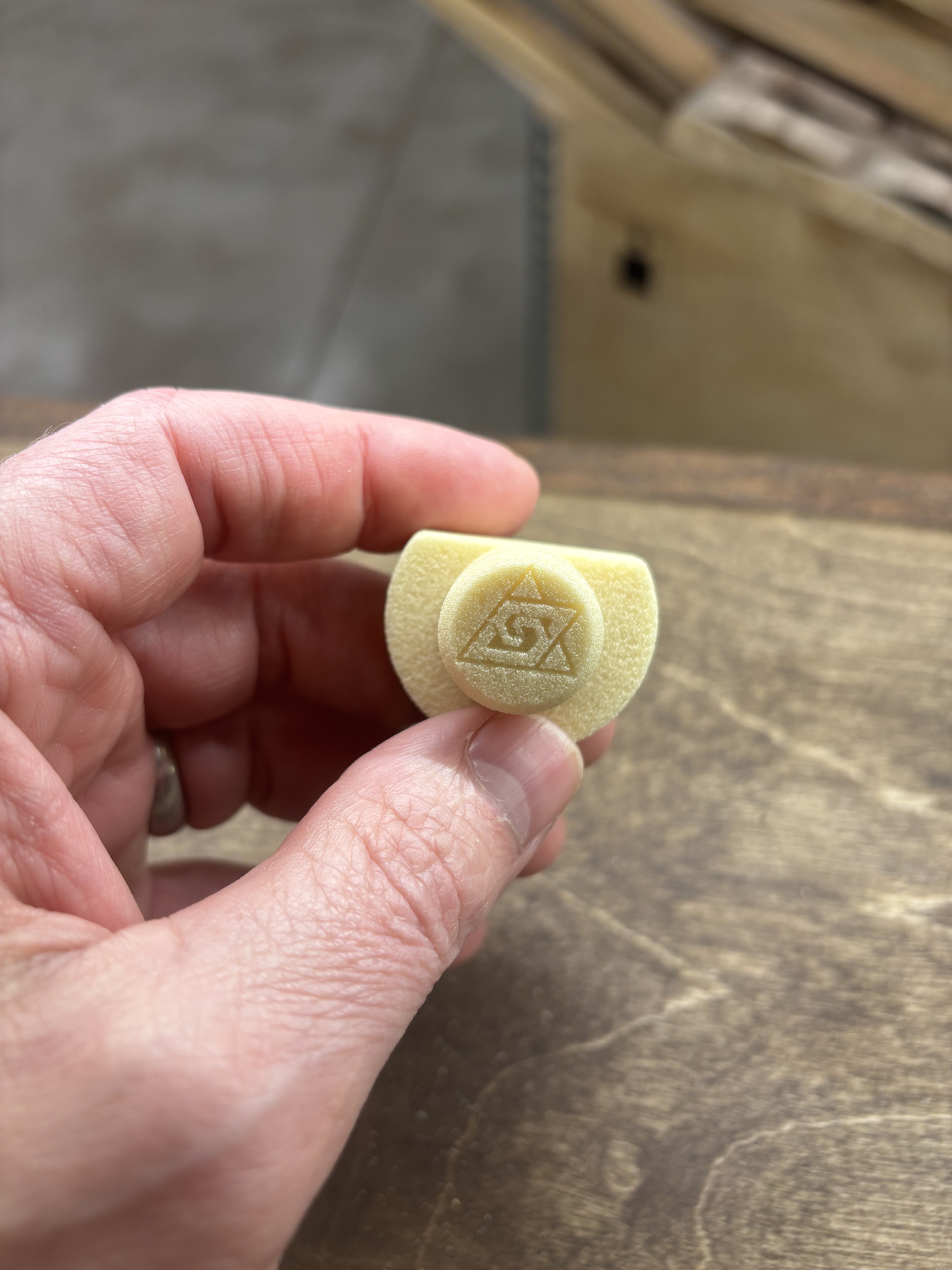
As CNC projects go, it’s rather straightforward. The thing I found is that the accuracy of the diameter is very important. To achieve this, I programmed by toolpath to cut a small amount off the diameter, then pause (M1) so I could measure, and then if I chose to resume it would cut again. This method allowed me to sneak up on the right dimension, 0.05mm at a time. In the end, I found that a 20.00mm dog hole needed a 19.95mm diameter dog. If it’s 19.90mm, that’s too loose.
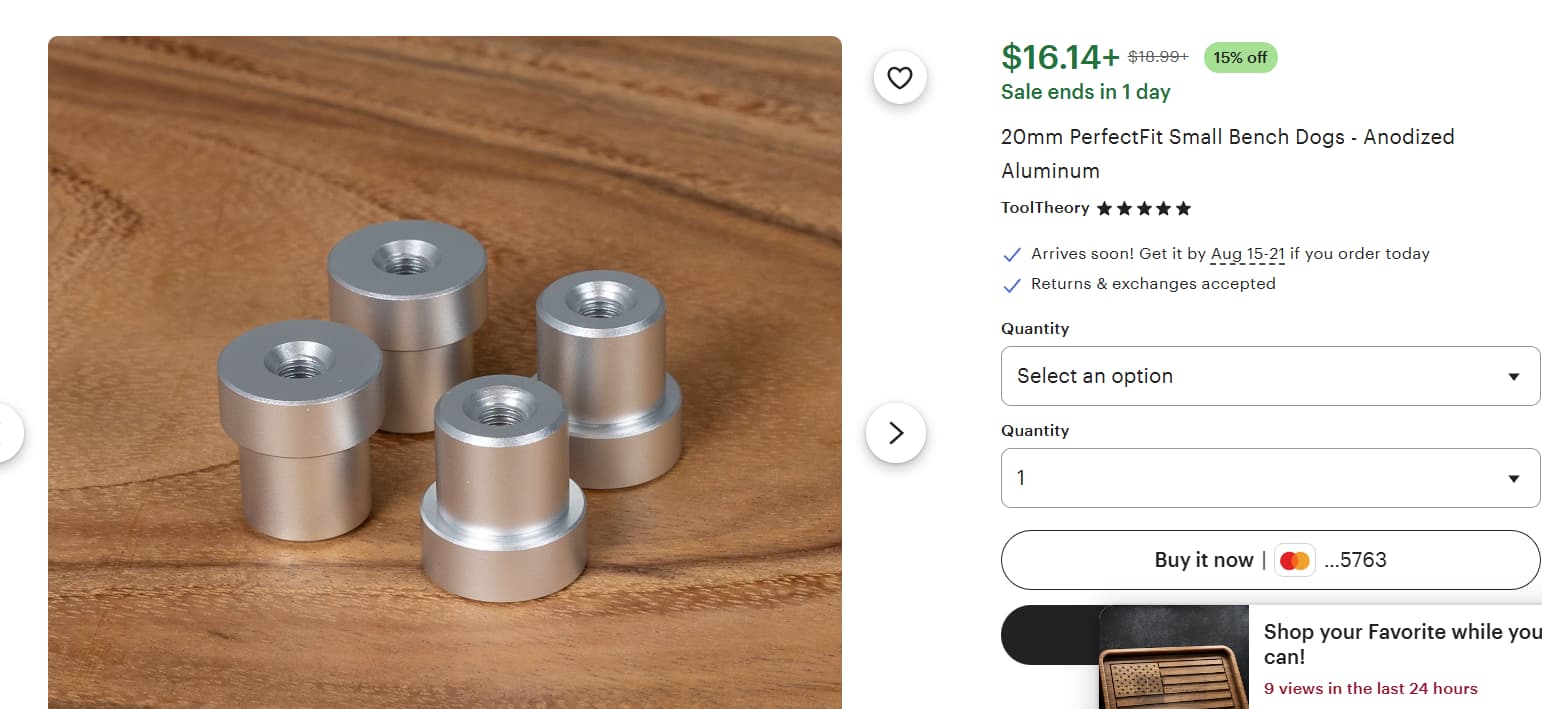
Or you could just buy them and life would be much easier
I have some 2" maple and some 2" slabs of BROWN Ash from the farm I grew up on that we cut thousands of board feet of lumber off of. That would be a slow cut. Brown ash might be harder than aluminum!
I hate to say it but I have this weird part of me that wants to use the CNC for CNC accessories. Strange. I know.
I remember when I was in my 20’s and my dad and my brother and I used to work construction. There was this one guy who insisted on using hand tools to do construction…I mean hand saws, hand drills, etc. I personally thought he was an idiot at the time, but as I’ve gotten older, I find myself being more like that on occasion… like using the CNC to build CNC accessories. Yes…I am an idiot.
Well, I took my first go at dog holes and bench dogs with a LOT of inspiration from @robinhartleywillows
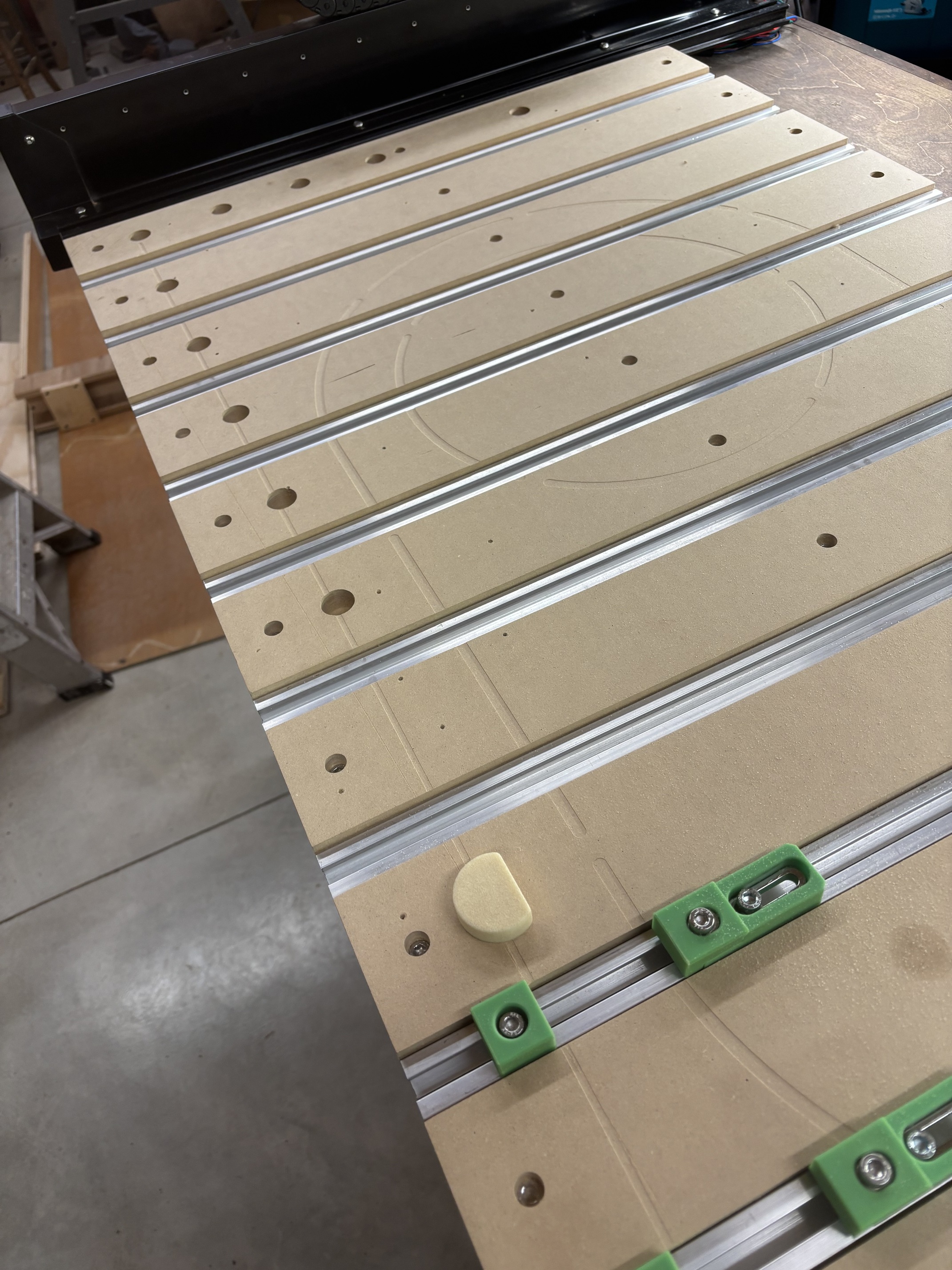
Scrap HDU is a great material to create prototypes.
Also created a svg of our logo as which I’m carving on the bottom of the bench dogs… just because. Of course I can scale up and use it for different applications.
Ipê is a wonderful wood to cut — I bought a few boards ages ago before the first of many price jumps since — just adjust the feeds and speeds to take the hardness into account per: