Q: cutting angle - how?

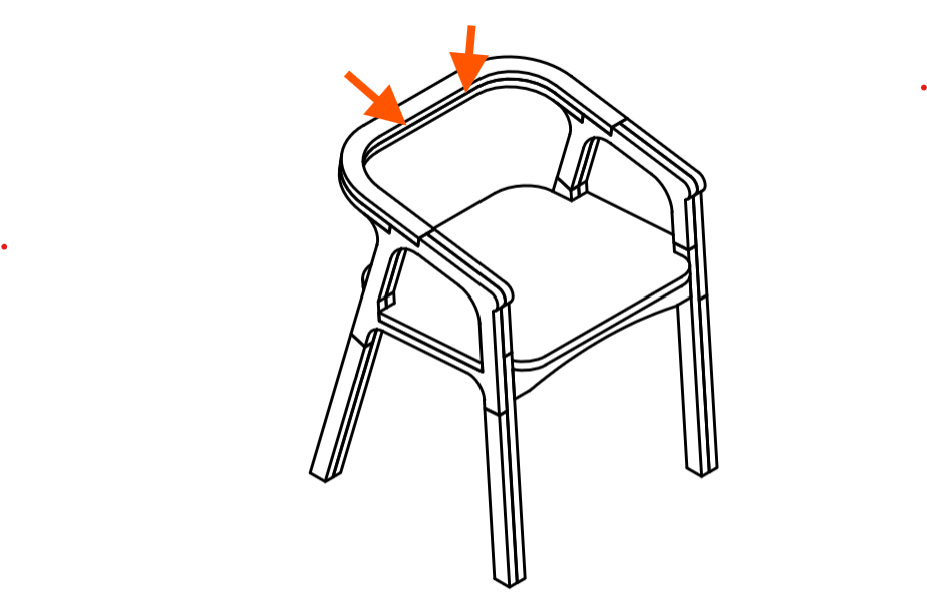
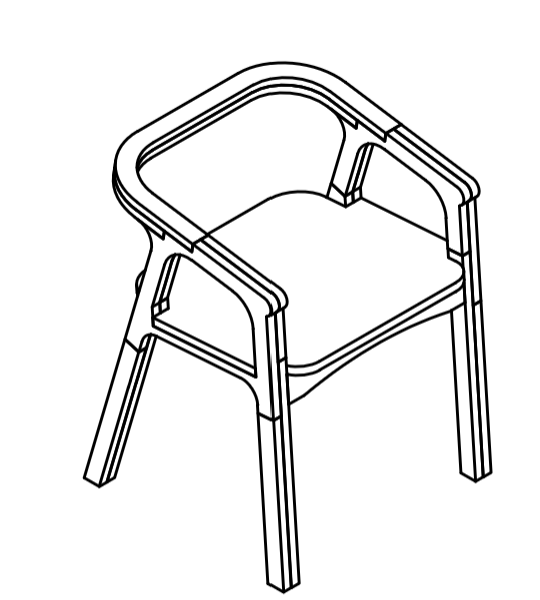
I did some similar chairs like this:


Now when one leans back at exactly that edge it hurts:

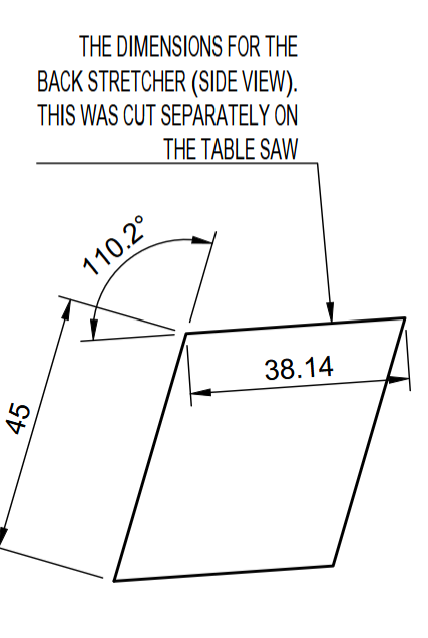
Now the Swedish Maker -where I got these images from, the chairs I made are from another place- suggests:

I would not use a band saw, 1. I do not have one, and 2. it would be a breach in tool sets.

Ideas how to proceed?

Patient: “It hurts when I do this.”

Doctor: “Don’t do that any more.”

Sorry, it’s Friday… :upside_down_face:

The two thoughts that come to my mind are:

  • Rasp
  • Sandpaper

Did I mention that I’m not a woodworker?

My comments aren’t totally frivolous.

At work (I’m here babysitting the 3D printer until a critical filament change, then I can leave for the weekend) I designed a small alignment piece that has several pockets for small magnets. The machinist used a fish-tail endmill to plunge the pockets, with the result that they are slightly domed at the base and the magnets don’t sit flat. I did the CAD, so I considered bringing the workpiece home, machining a nest on my N4’s spoilboard, and remaking the pockets with a sub-diameter endmill so they are properly cleaned.

Then I thought “no, it will be a lot easier and equally functional to just grind the pocket centers with a little Dremel grinding bit”. they won’t be perfect, but a little bit concave is workable where the current little bit convex isn’t…

Sometimes careful handwork is more efficient than complicated machine work… :slight_smile:

My favourite tool for that sort of hand shaping is a Japanese Shinto Saw Rasp:

https://www.leevalley.com/en-us/shop/tools/hand-tools/files-and-rasps/rasps/65692-japanese-saw-rasp

that said, one could either model this in 3D (if one uses 3D CAD/CAM or has Carbide Create Pro) or draw things up in profile and ease the edge w/ a series of passes w/ a ball-nose tool.

1 Like

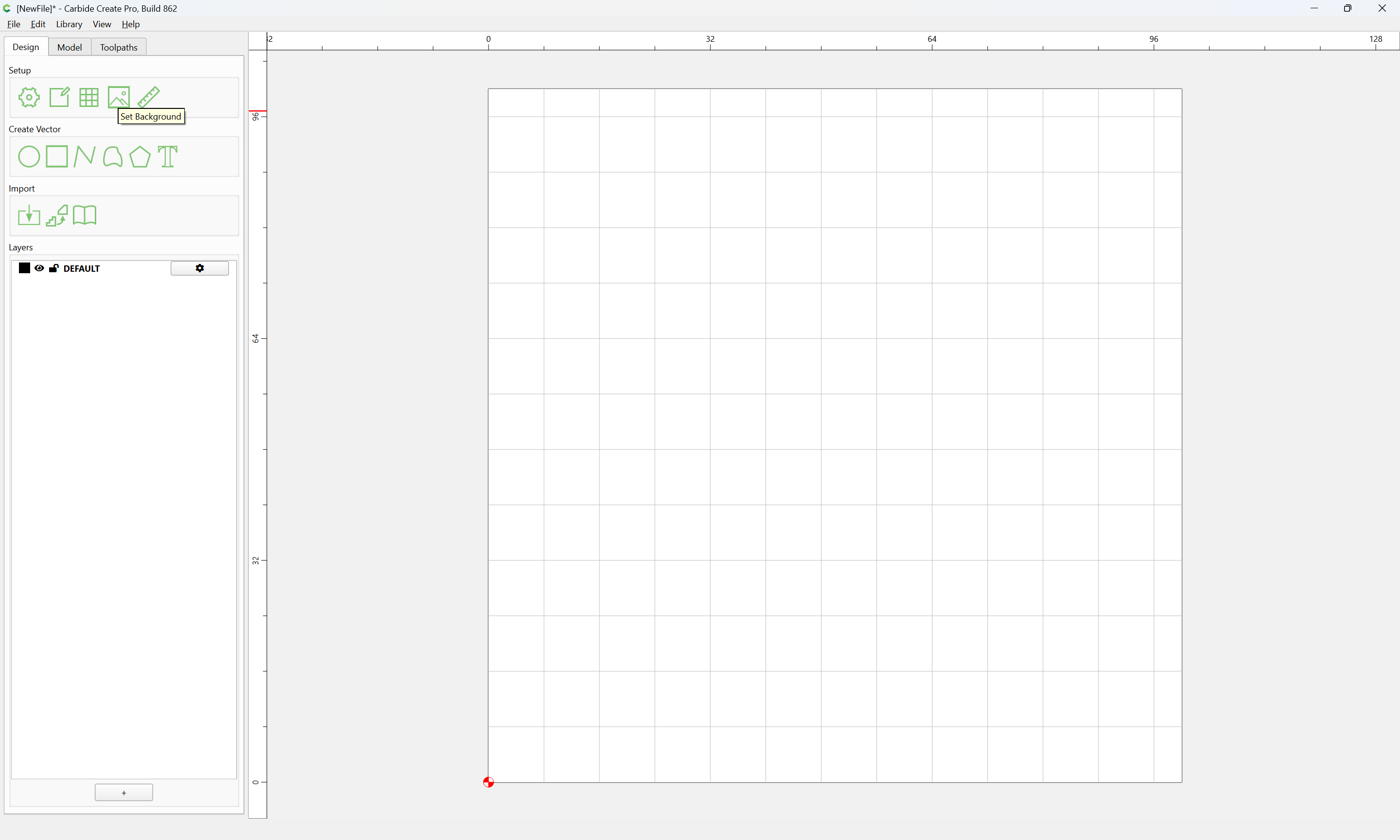
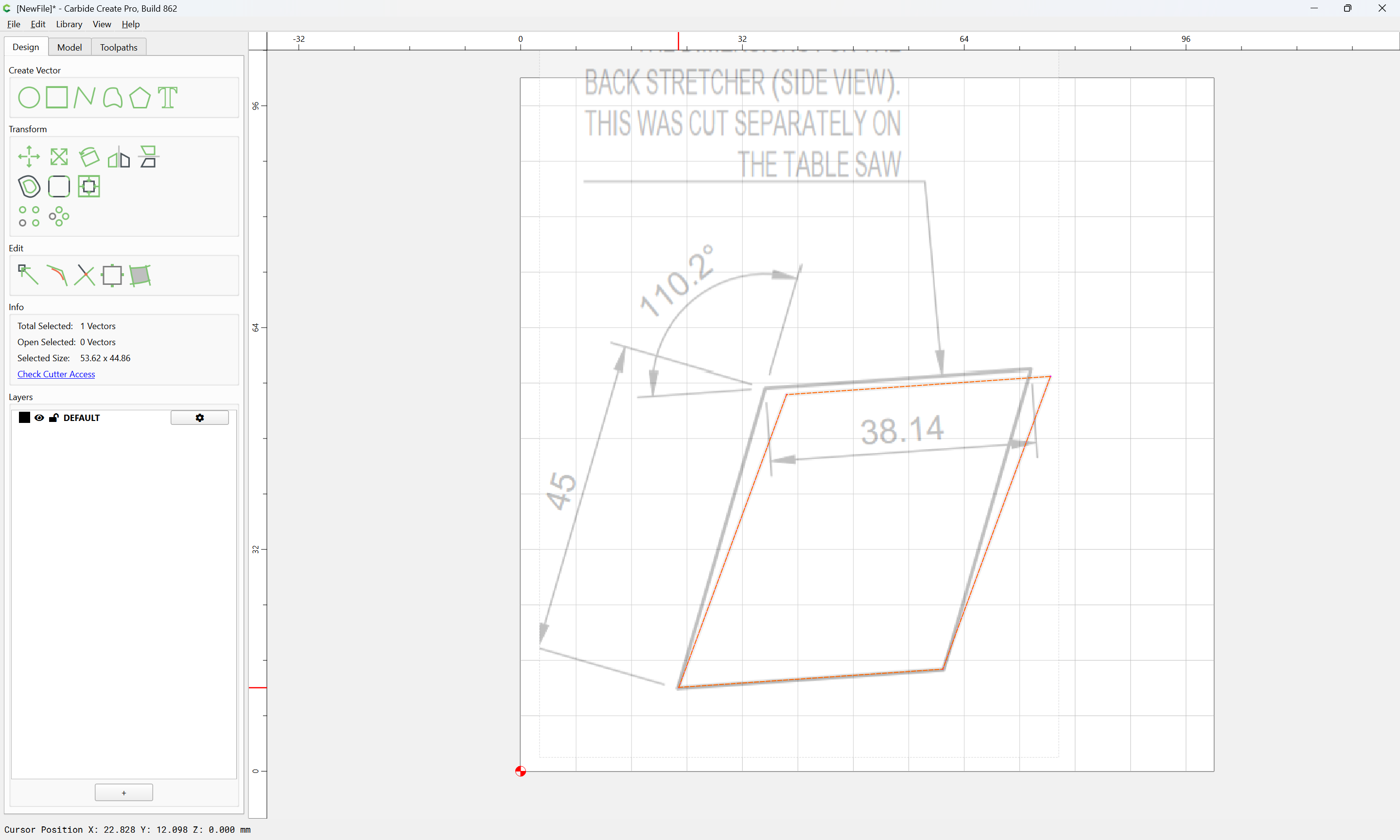
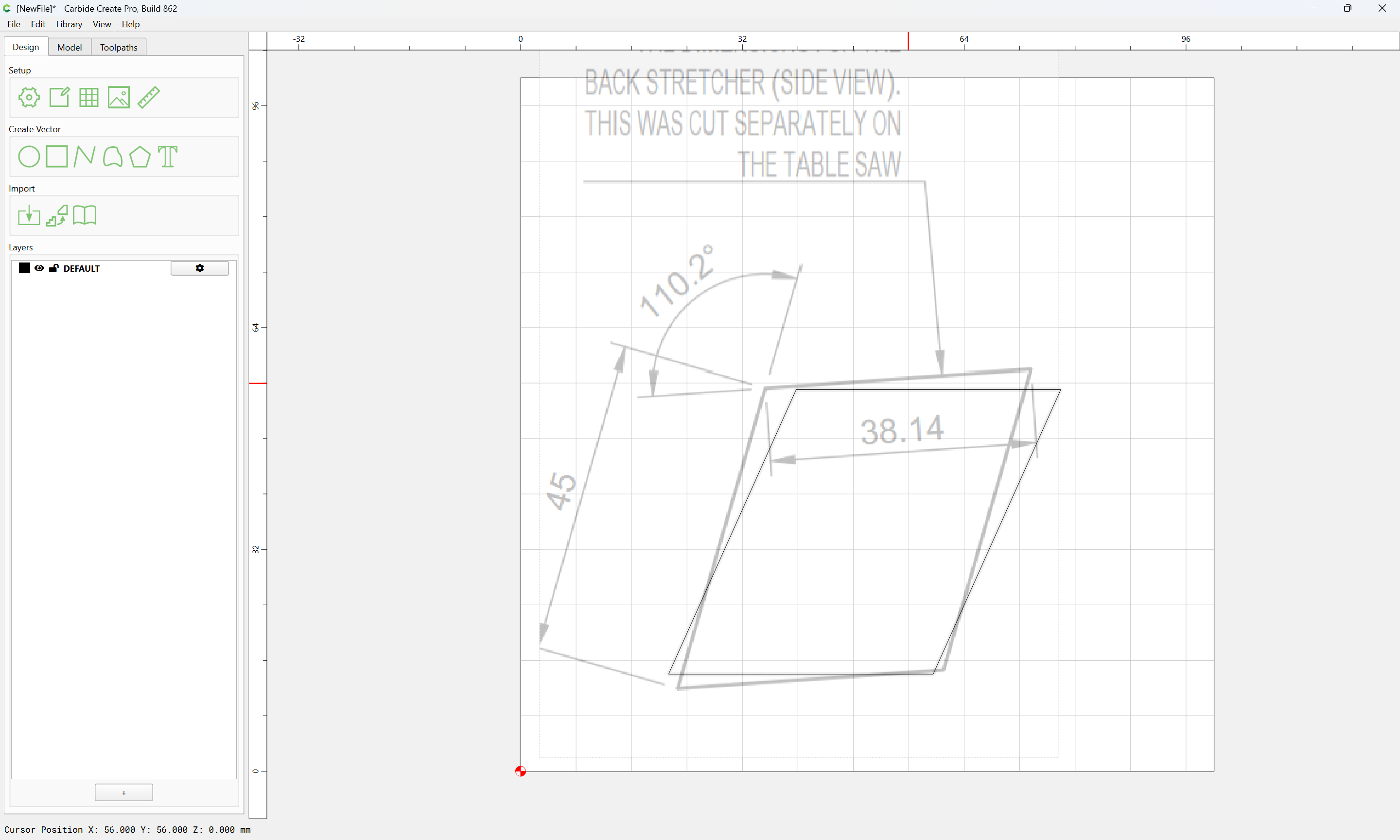
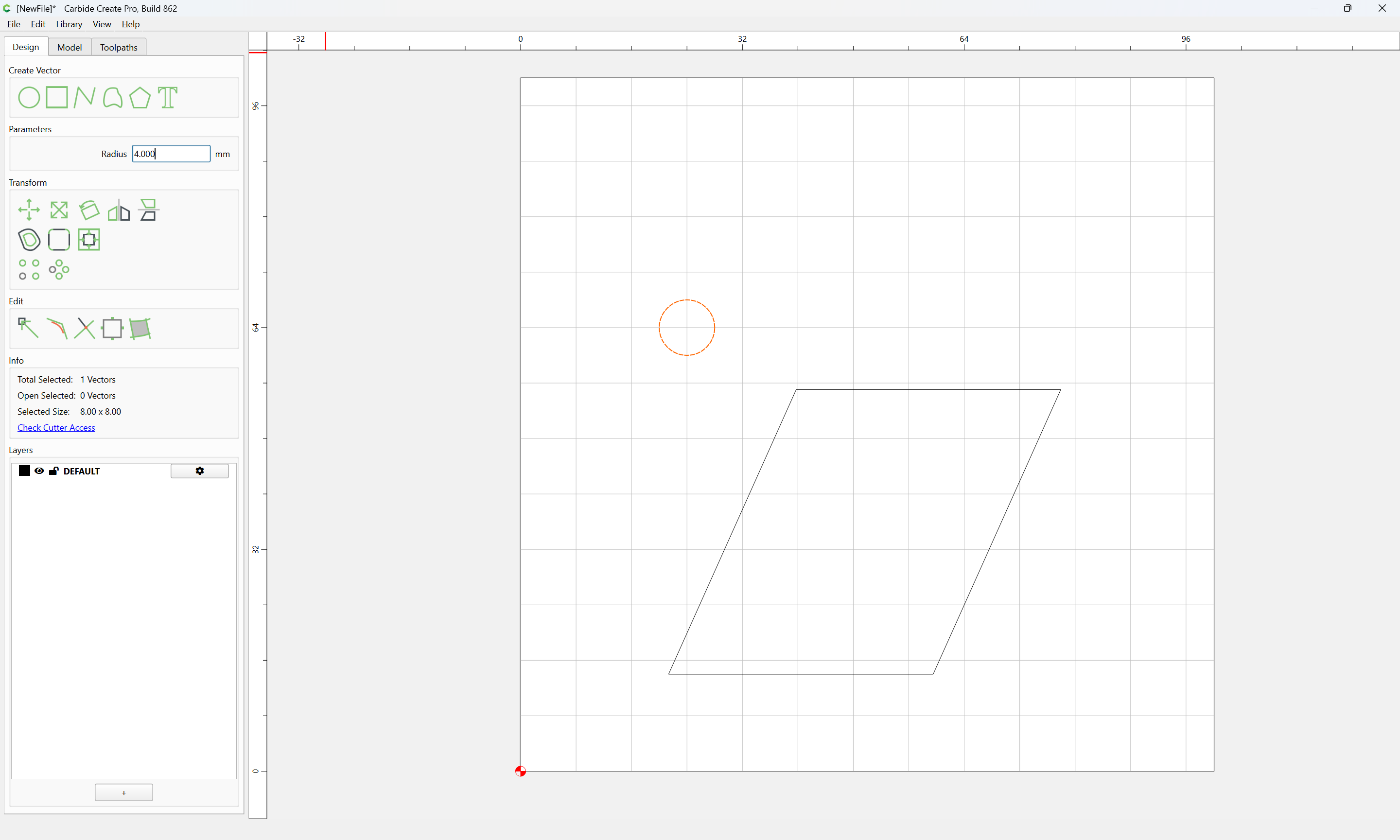
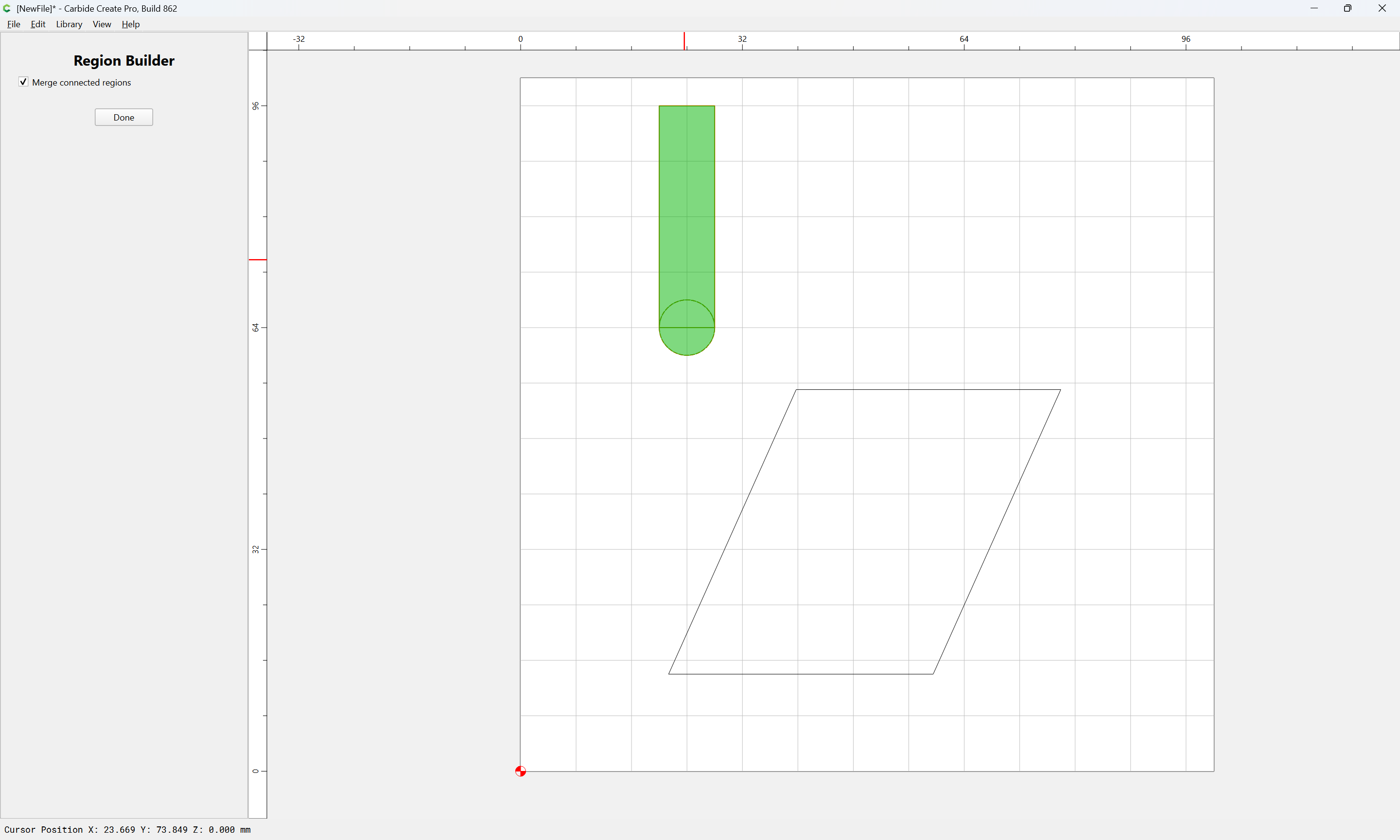
set up a file:

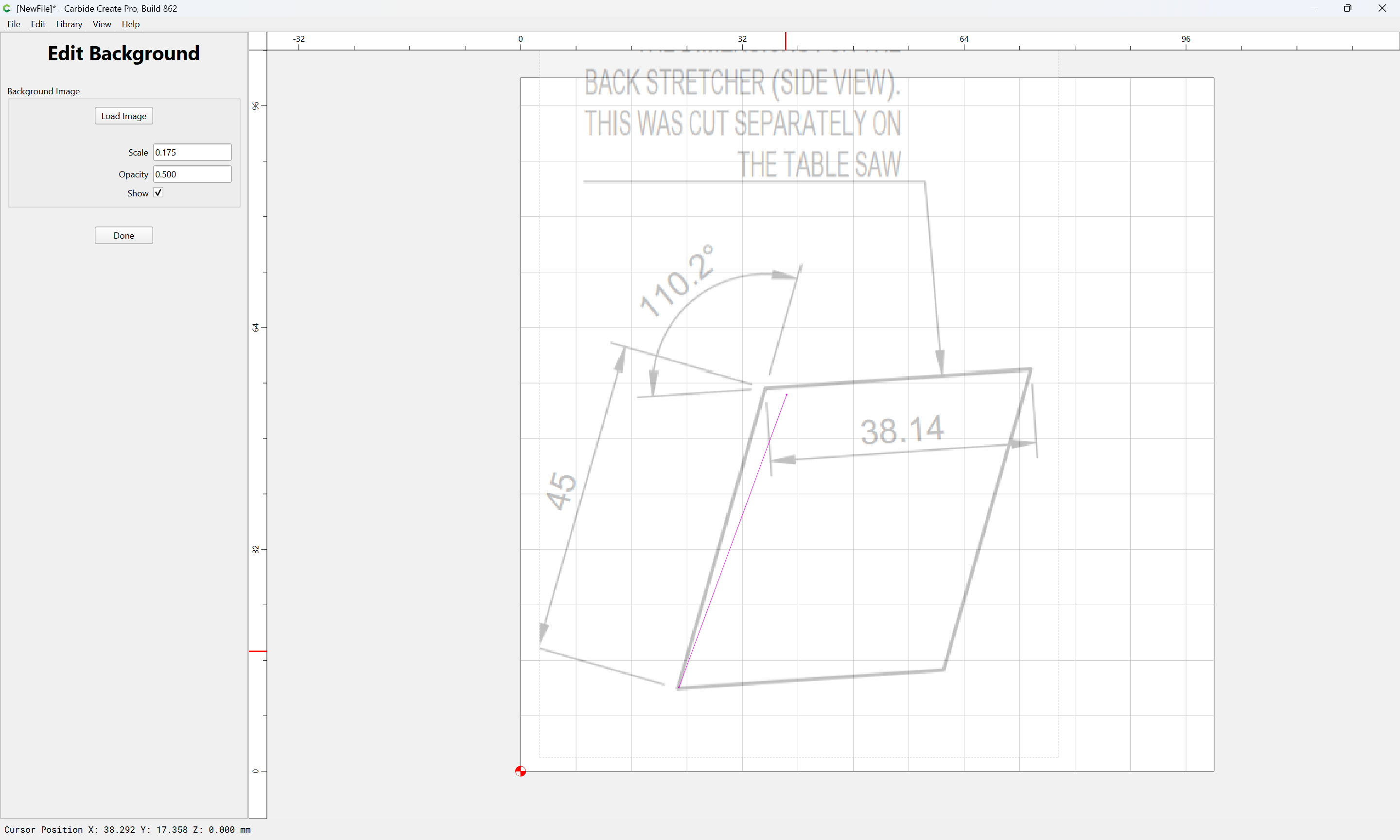
Set Background

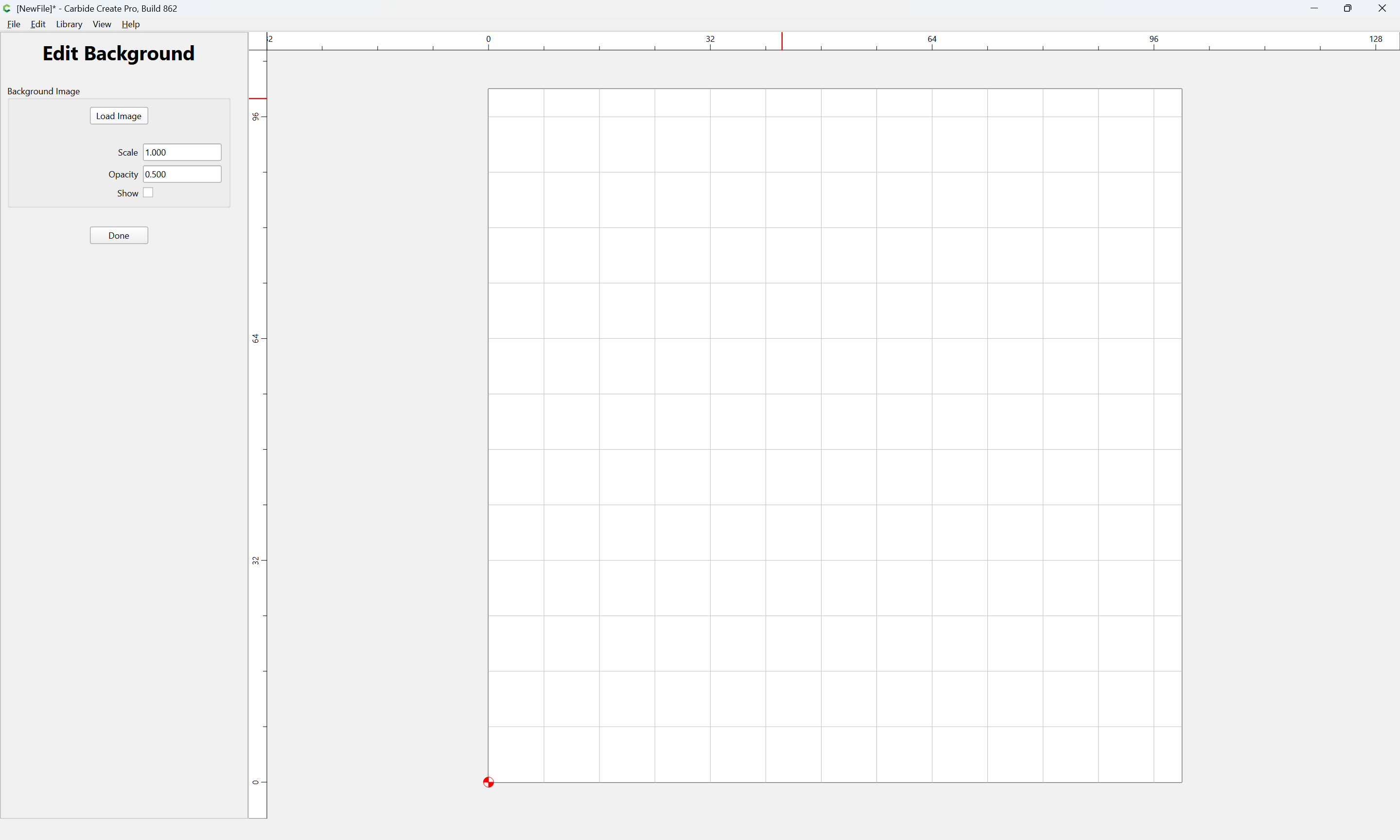
Load Image

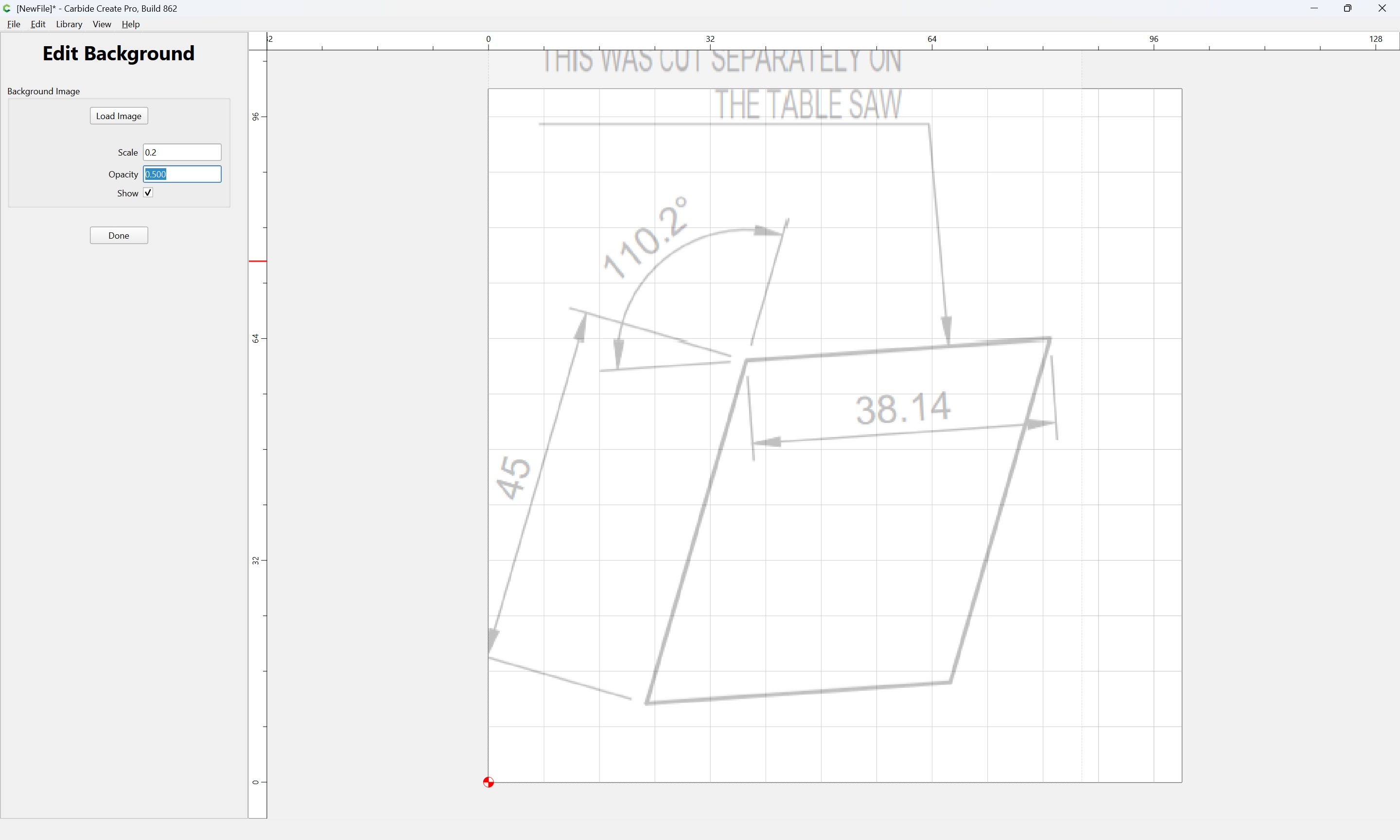
Adjust as necessary:

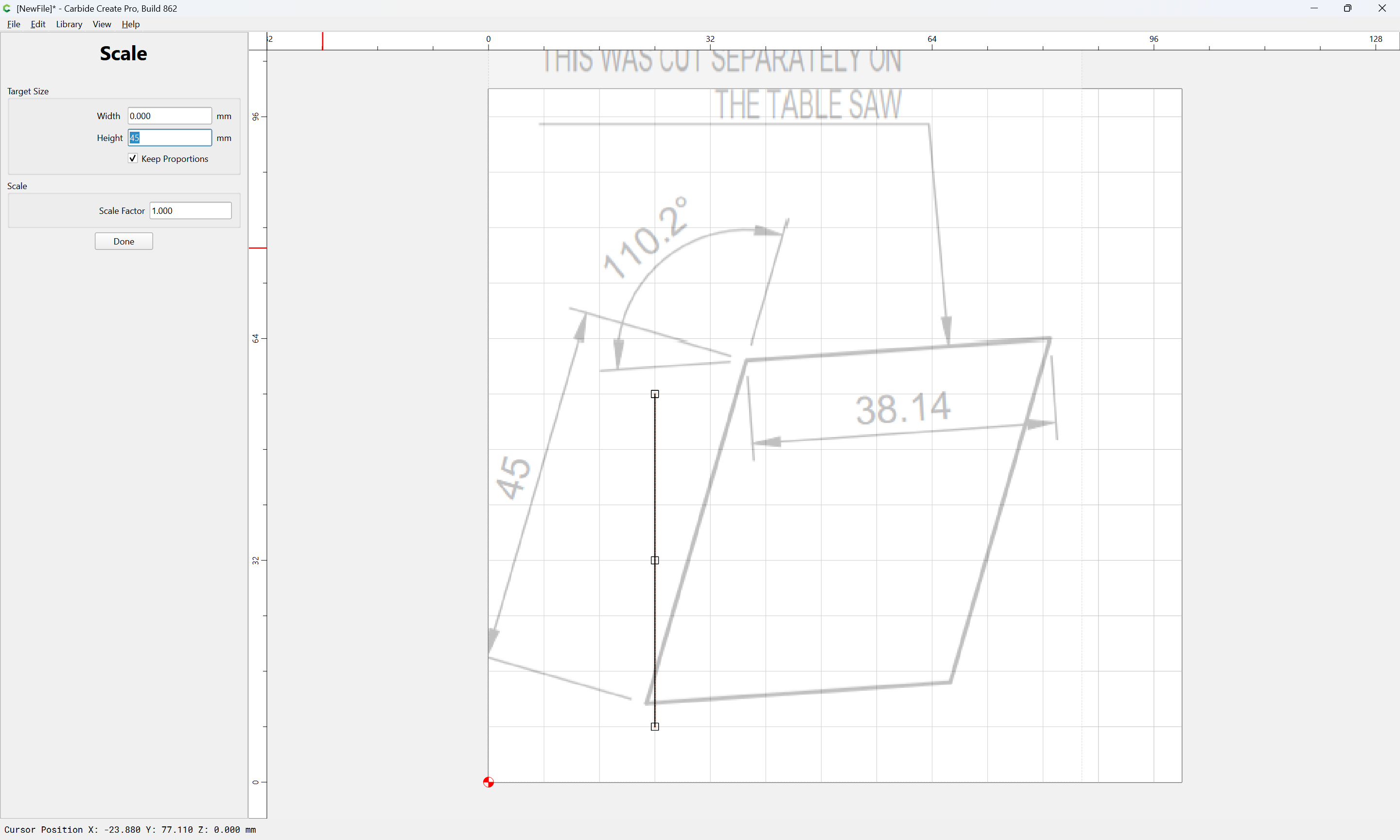
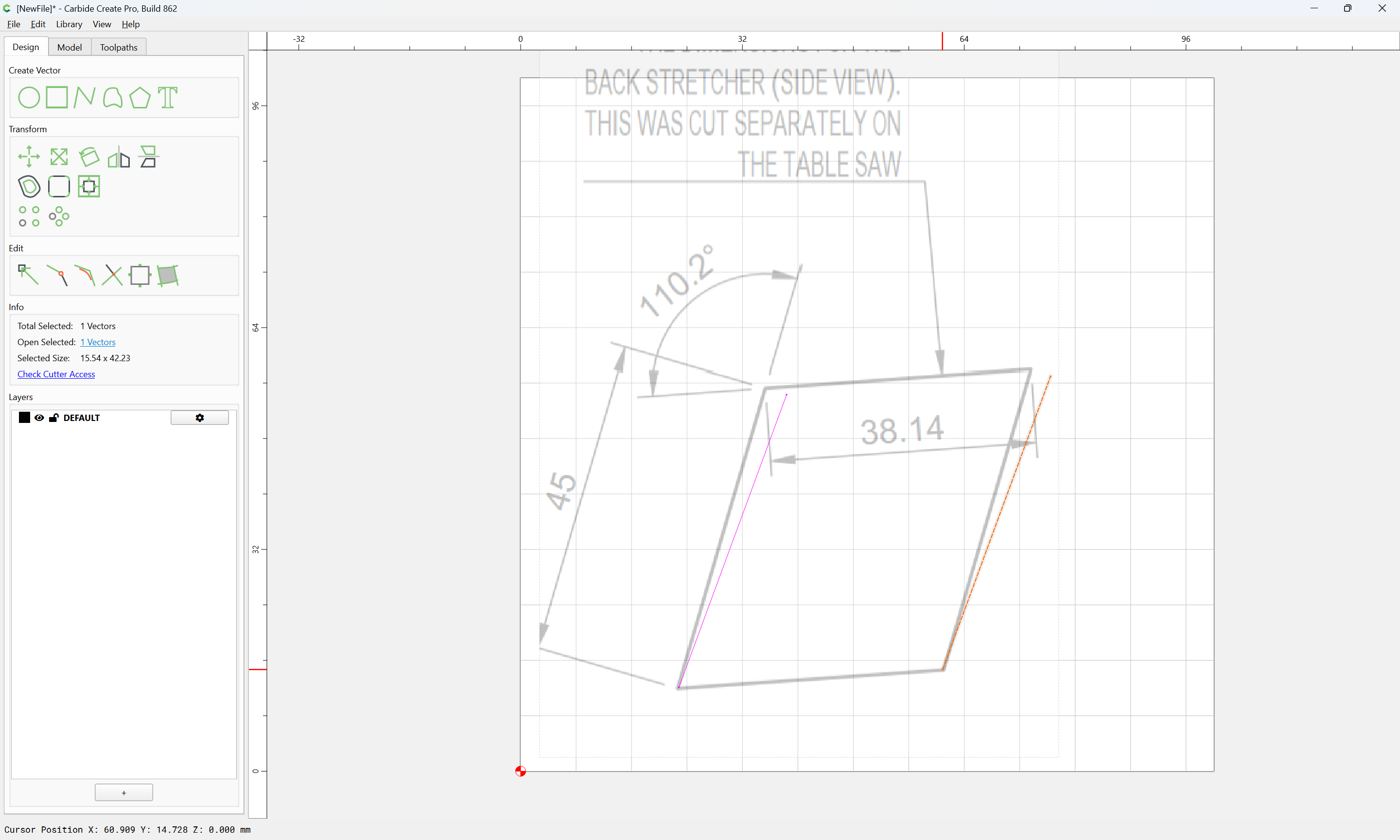
Draw a line of the requisite length:

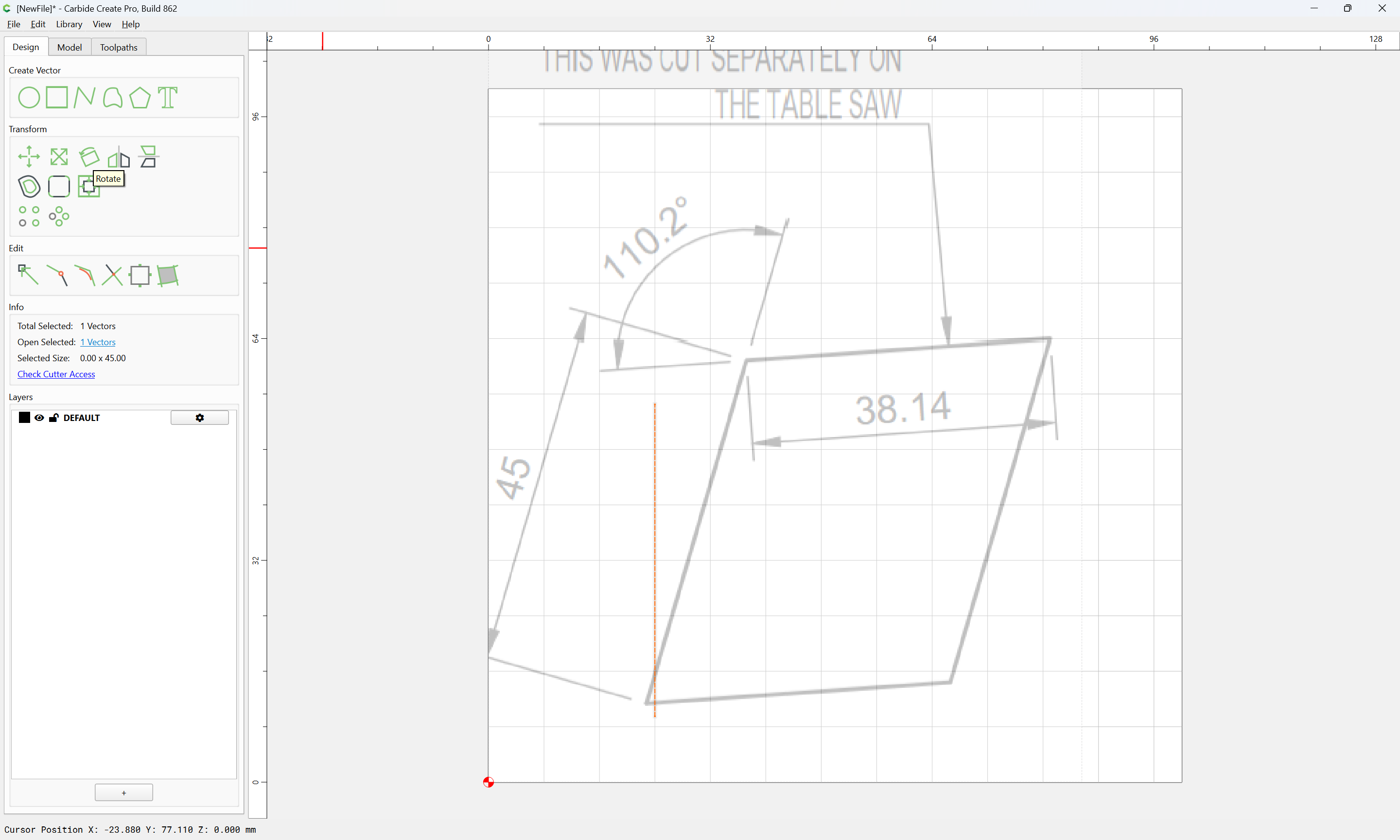
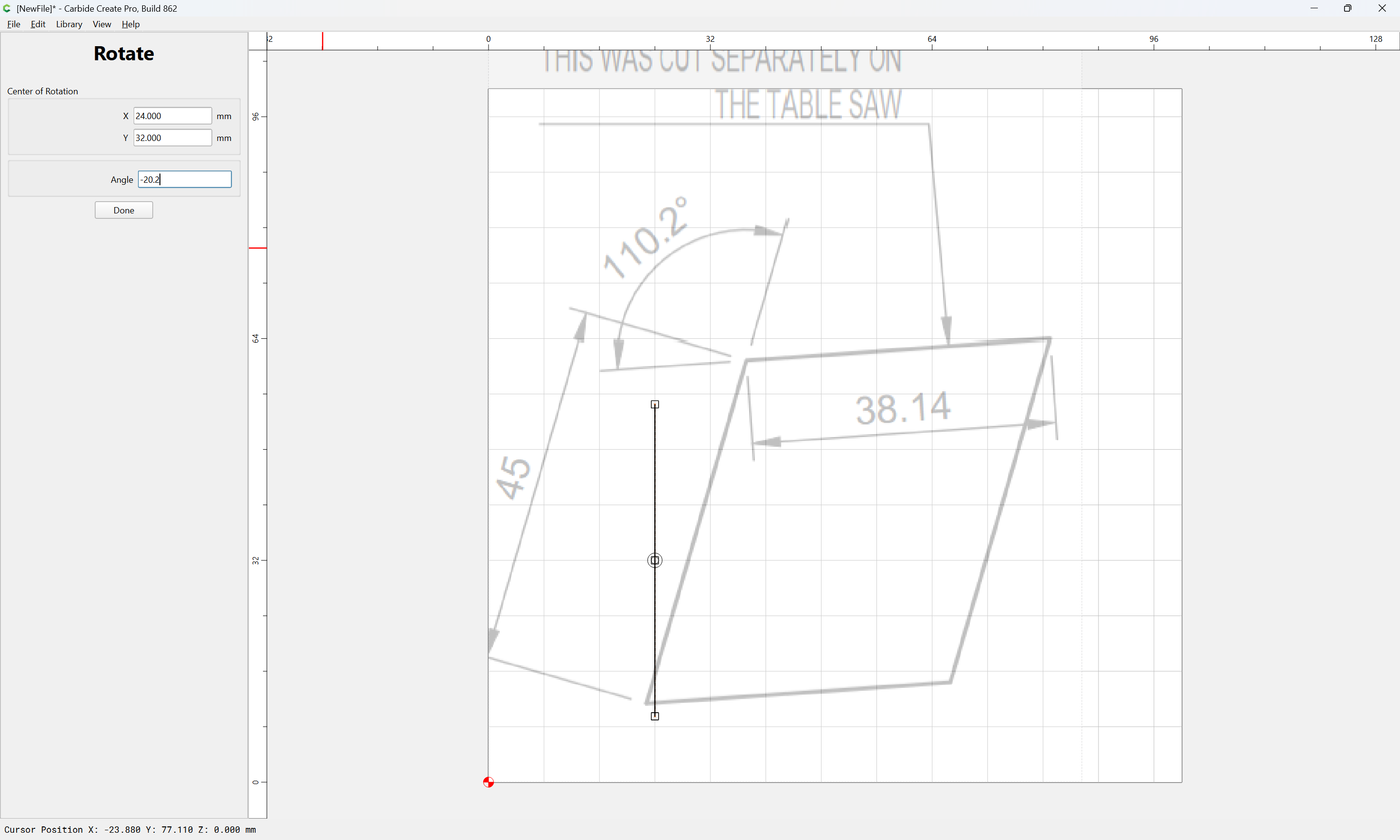
then rotate it:

and adjust as need be:

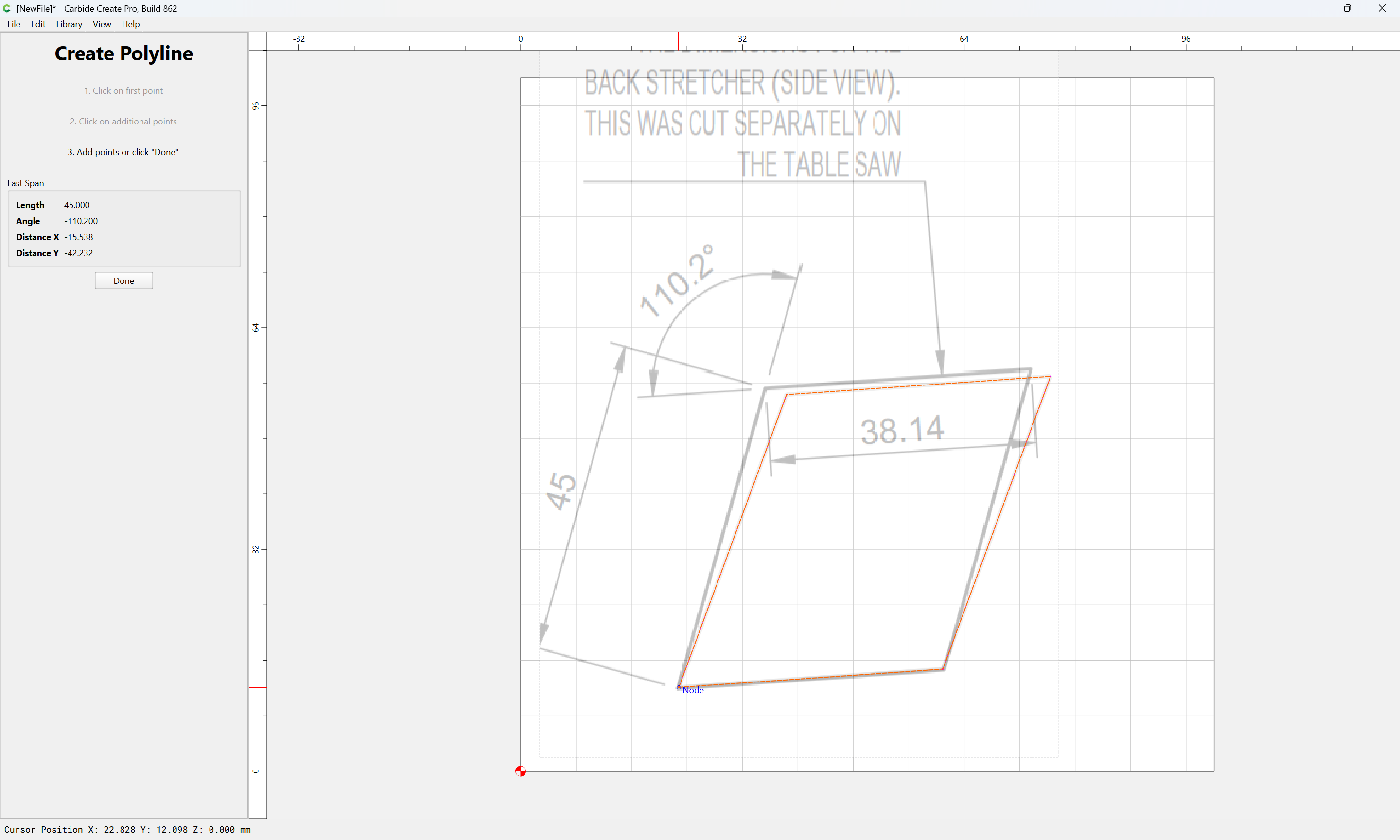
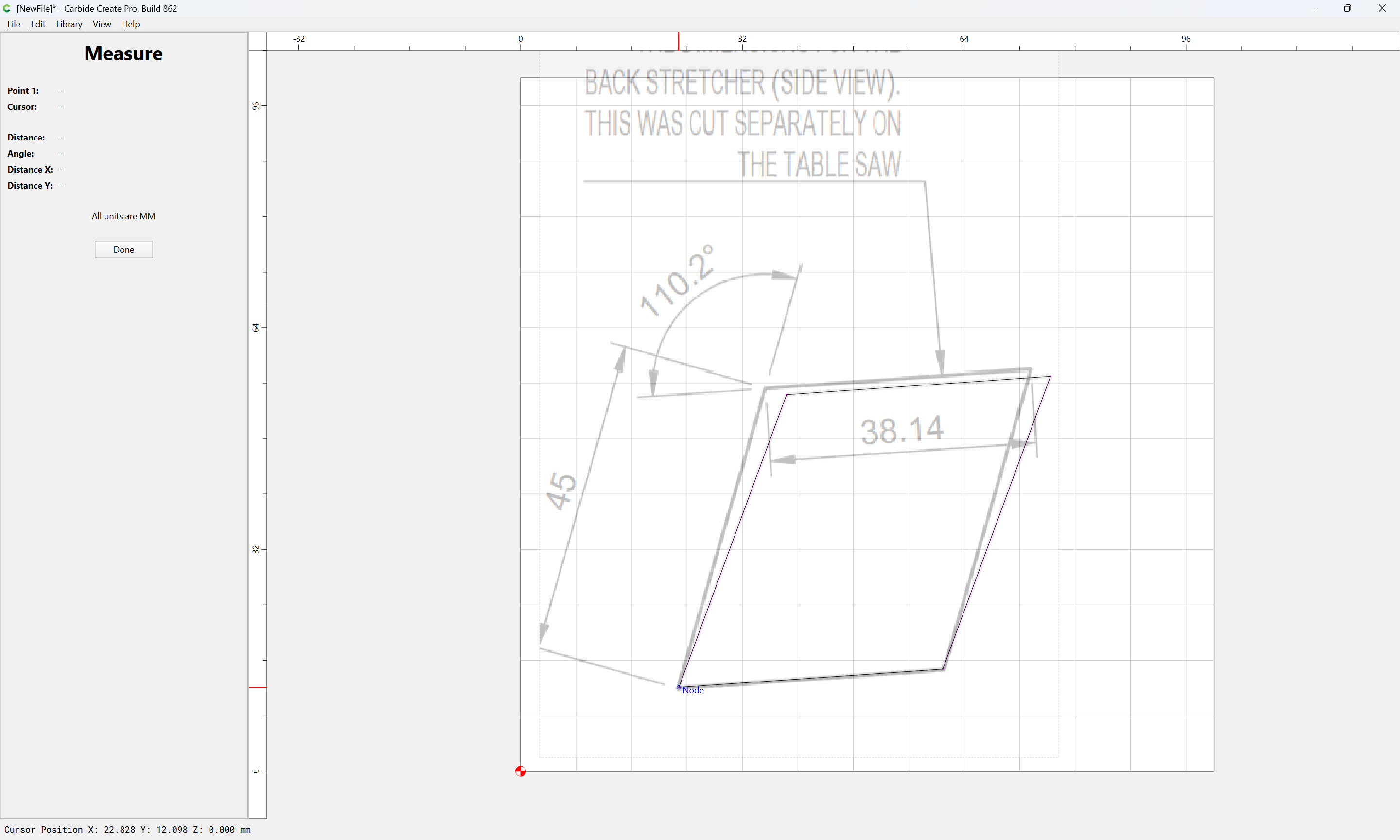
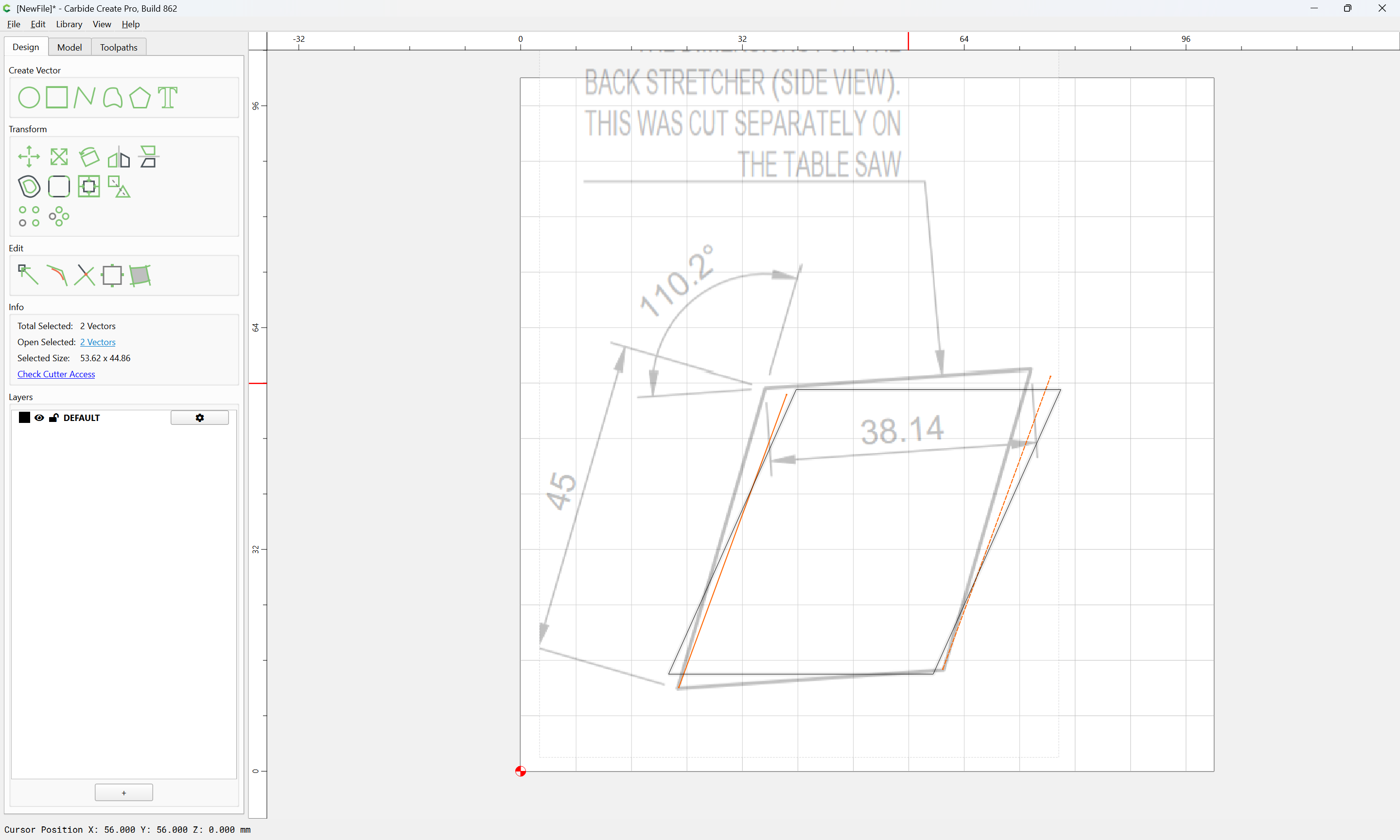
then draw the outline:

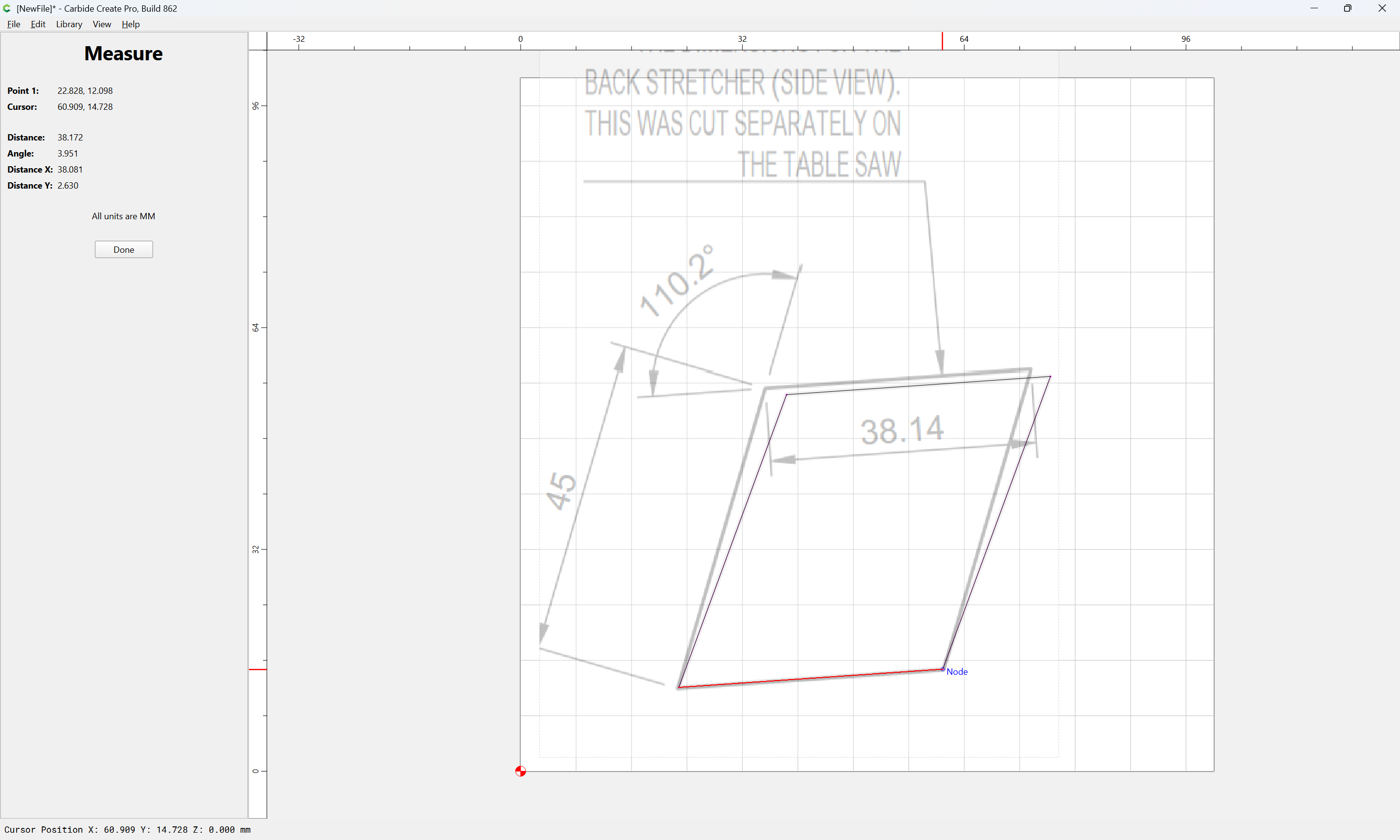
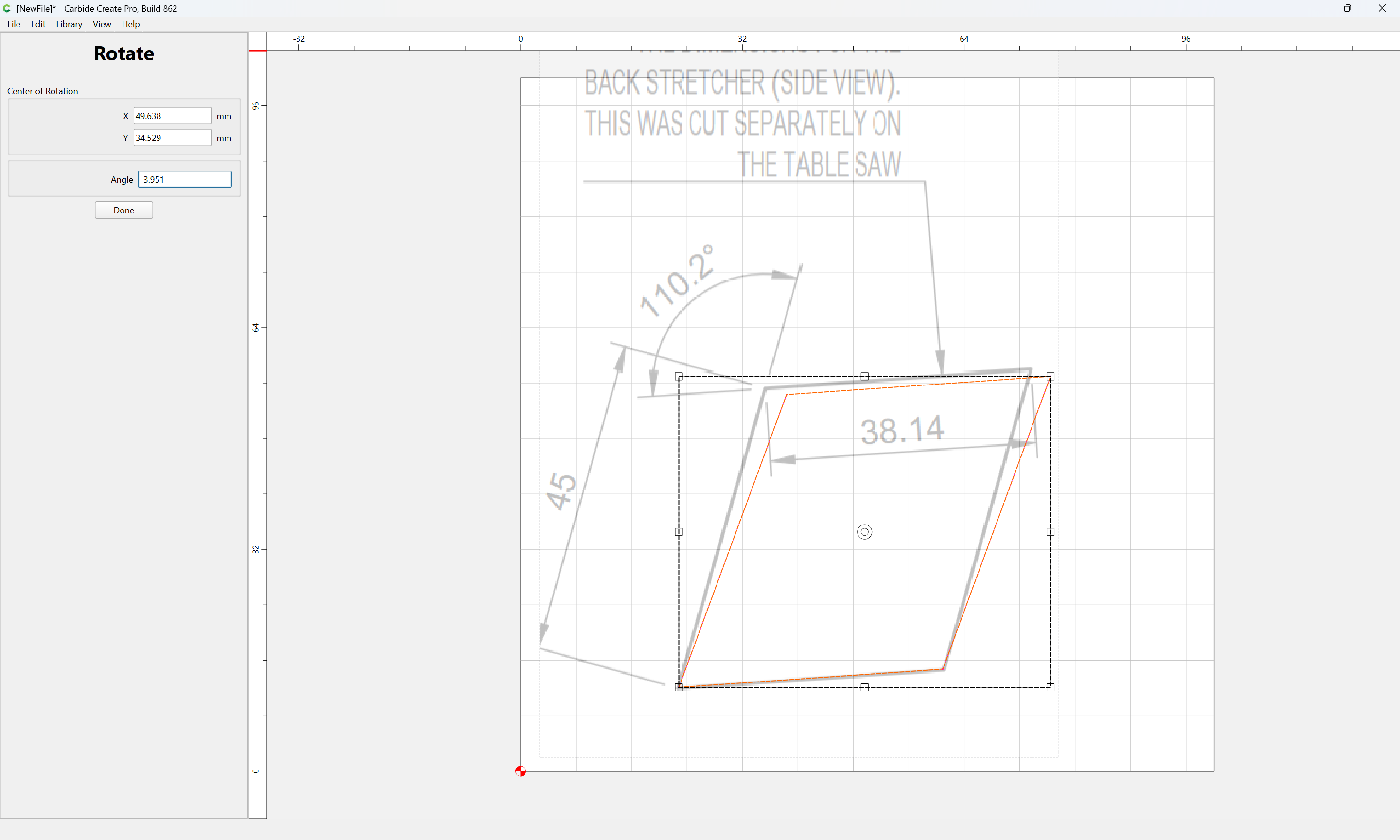
then measure to get the rotation:

Done

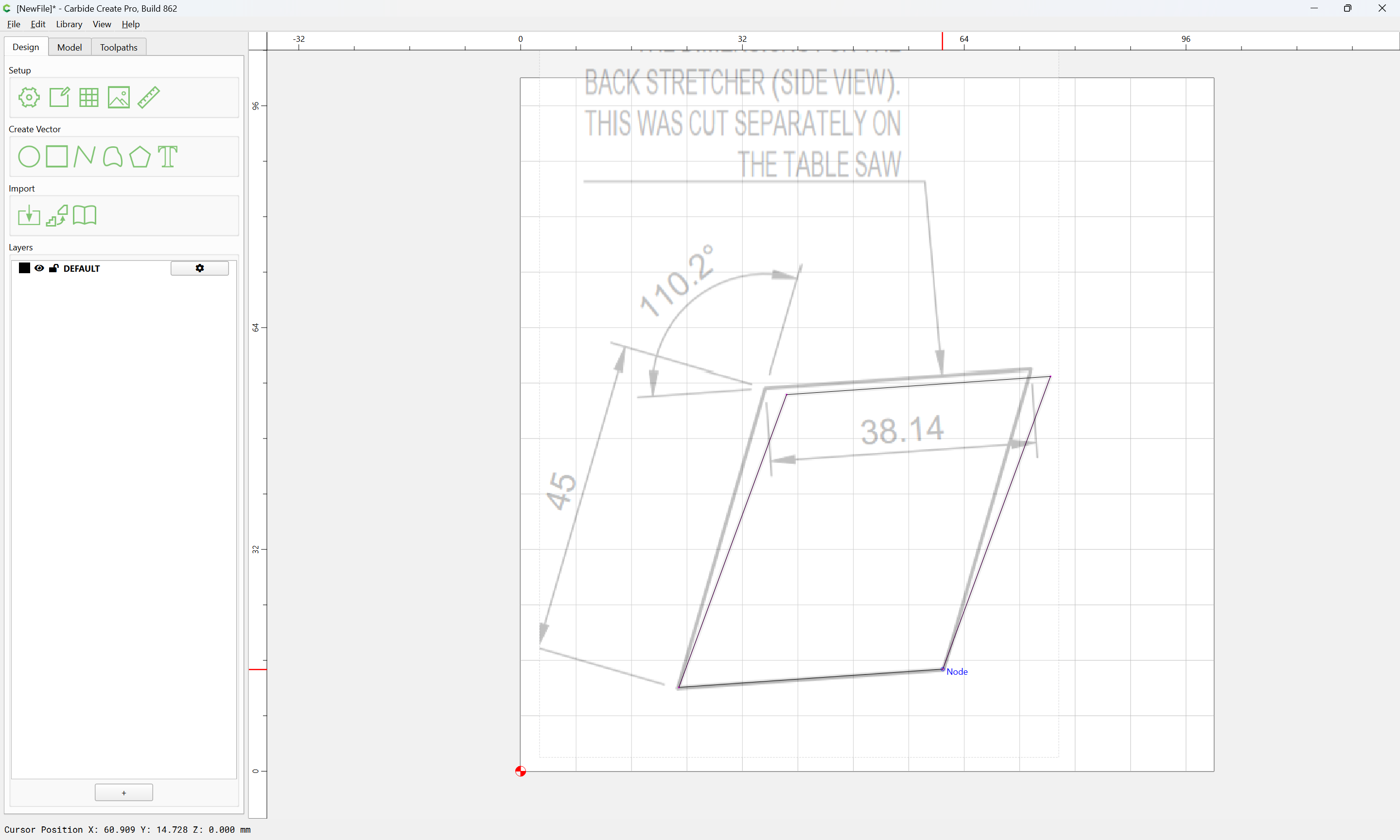
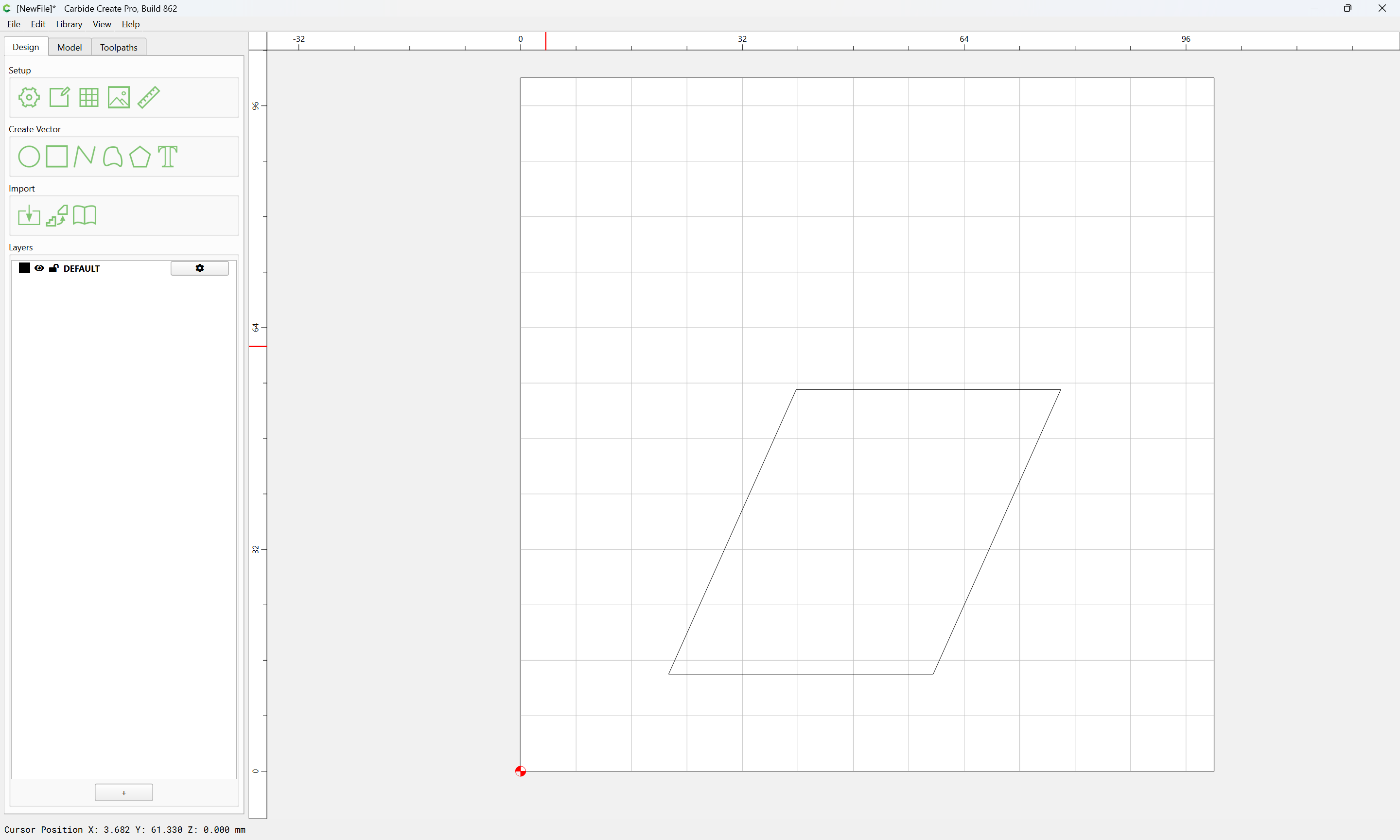
then rotate to flat:

then clean up:

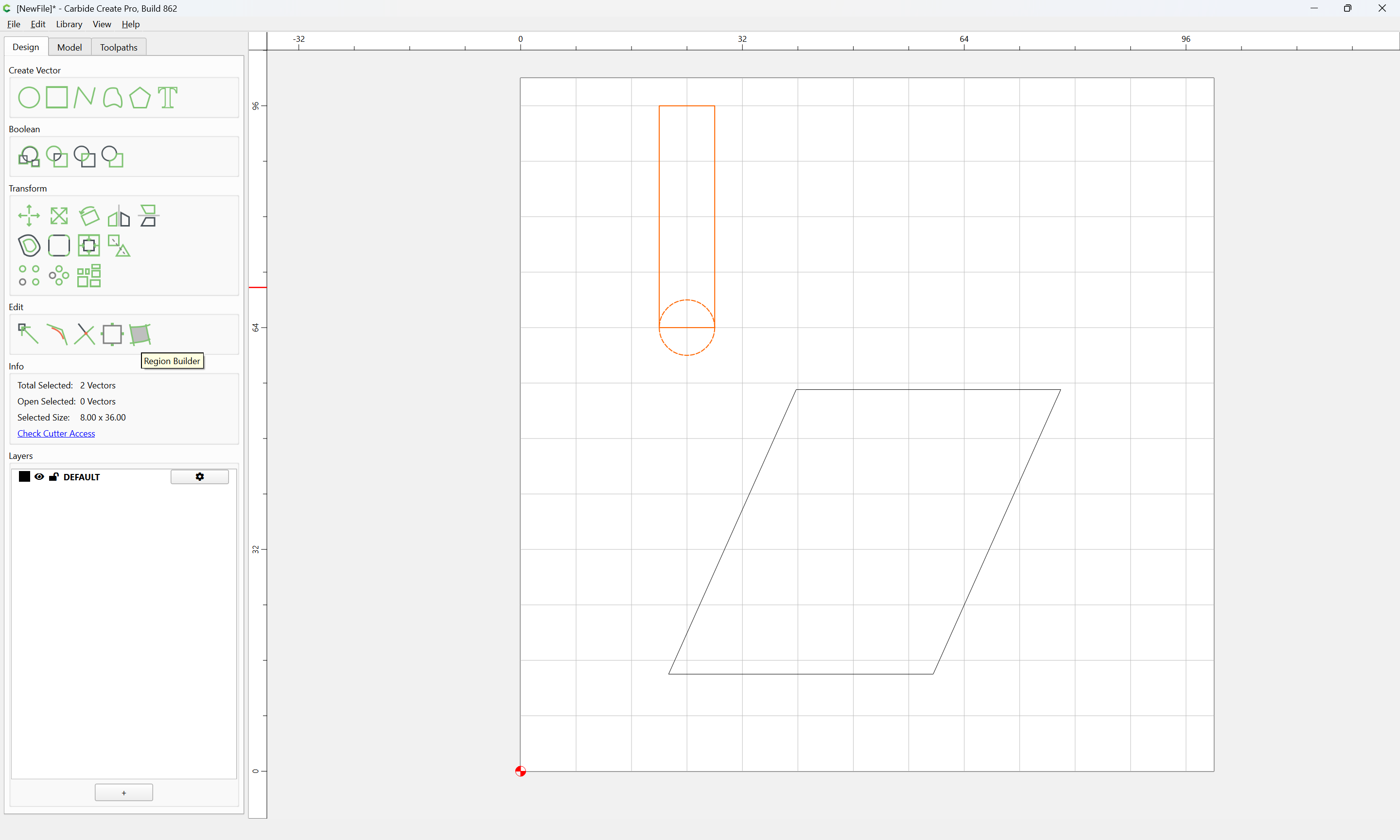
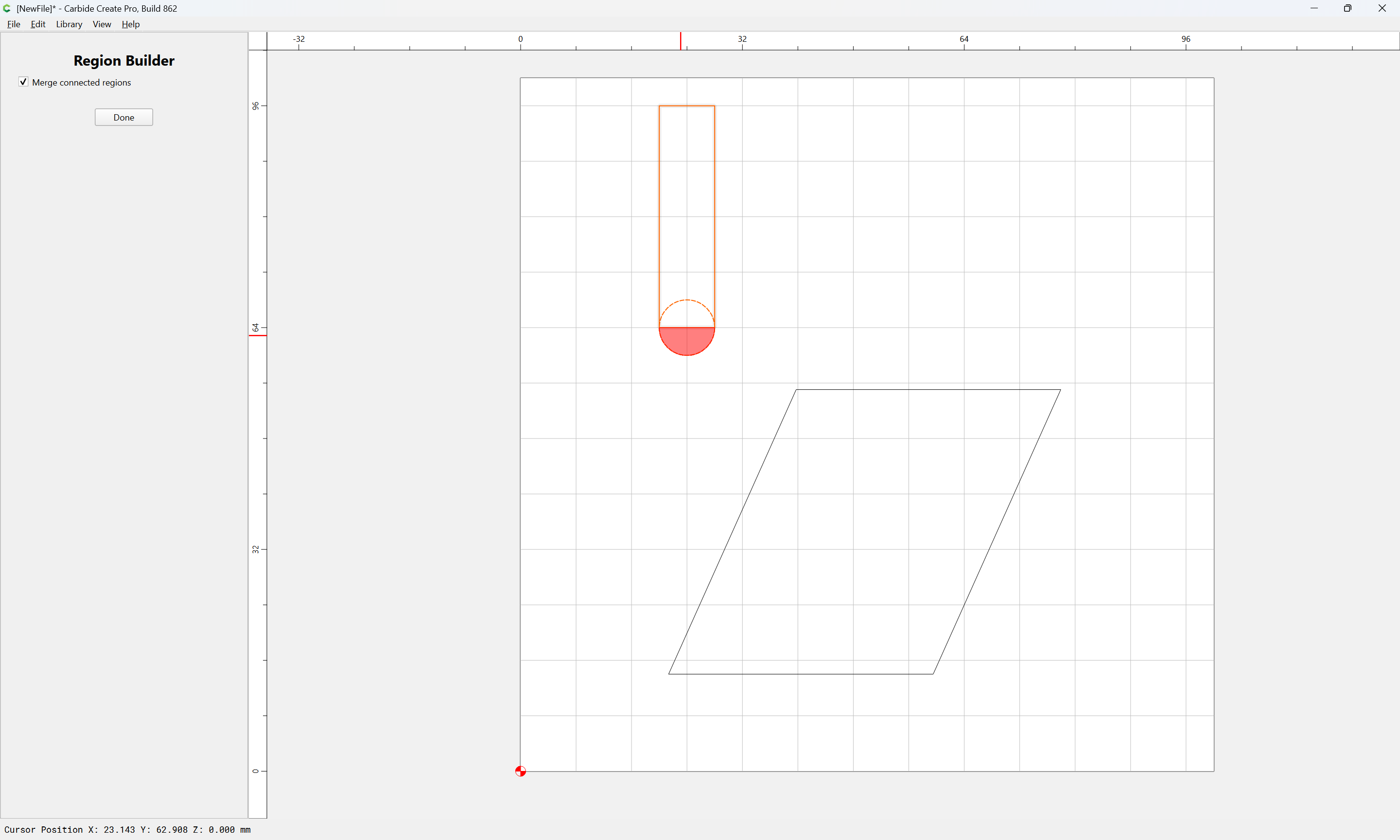
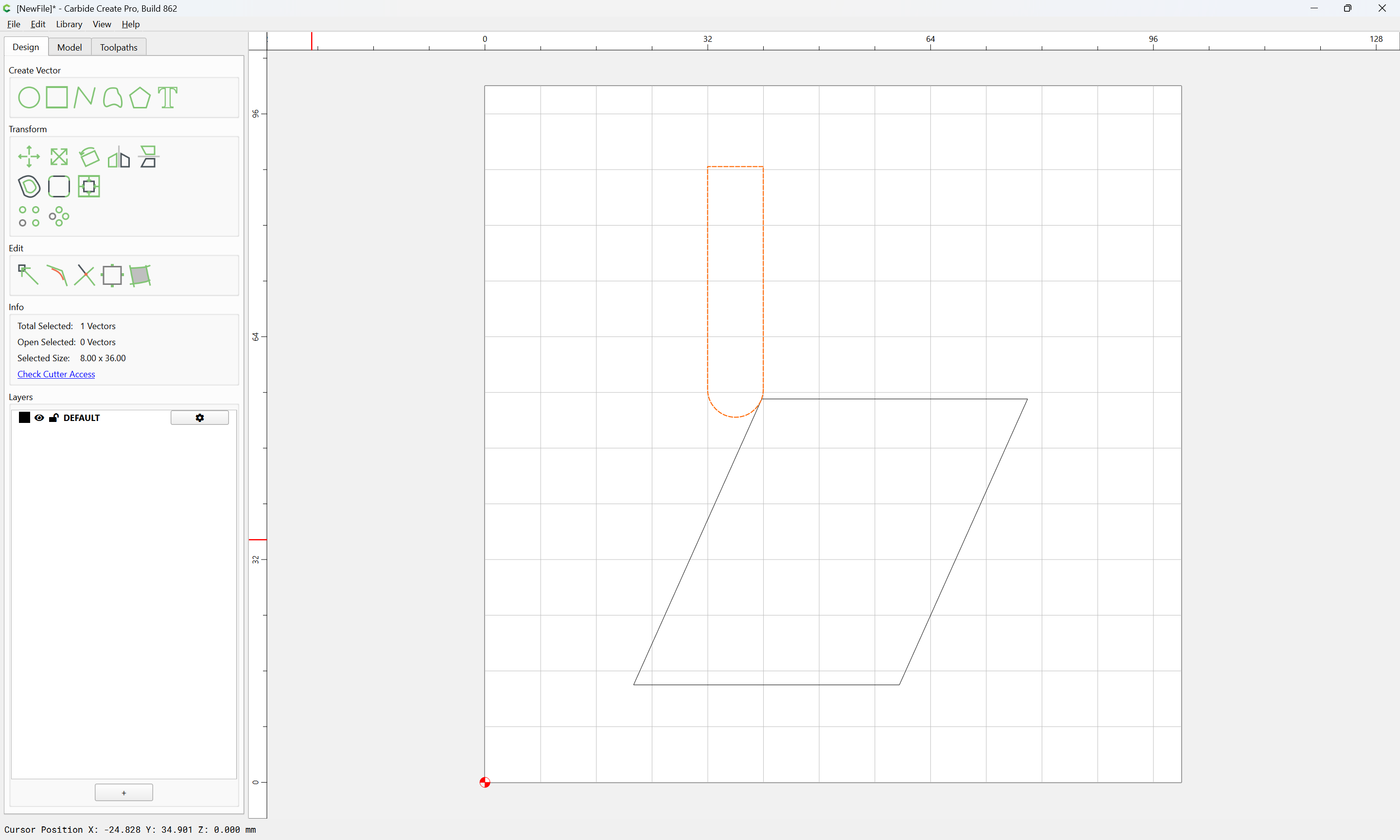
Then draw a ball-nose tool up in profile:

Done

and

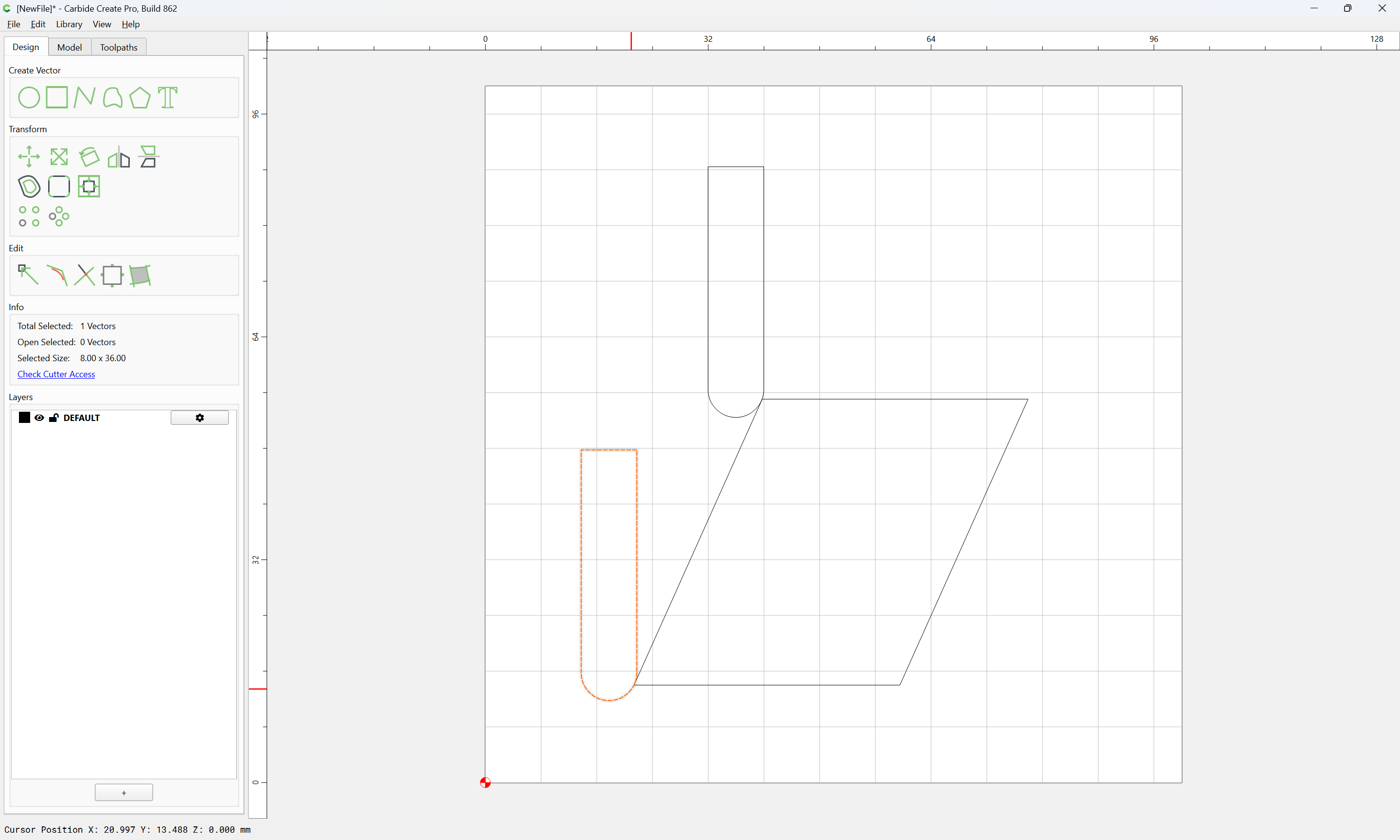
position relative to the desired slope:

and at the bottom:

then use the technique from:

to draw a suitable number of offset lines and assign No Offset Contour toolpaths to the requisite depths.

How about a roundover bit with a follow bearing - and just ease the corner with a router?

1 Like

Look at you going all Norm Abrams on us… :laughing:

My favorite tool is the one that solves the problem the quickest…
In my case, in my little shop that would likely be a belt sander & a good eye.
Spindle sander would work great, as you could easily blend the straight wall on the sides with an angled wall on the back rest.

I’m just not good with hand work. That is one of the reasons I got the CNC: get some precision to my work, what I otherwise could never achieve. My wife says it all is due to my lack in patience.

I understood the solution Will described, will proceed with that idea.
1 Like

No, Norm would’ve set up a router table.

I was channeling (to the extent that my modest skills allow) Roy Underhill and The Woodwright’s Shop…

As @Emmess notes, the hand-tool stuff is all about patience…

This topic was automatically closed 30 days after the last reply. New replies are no longer allowed.