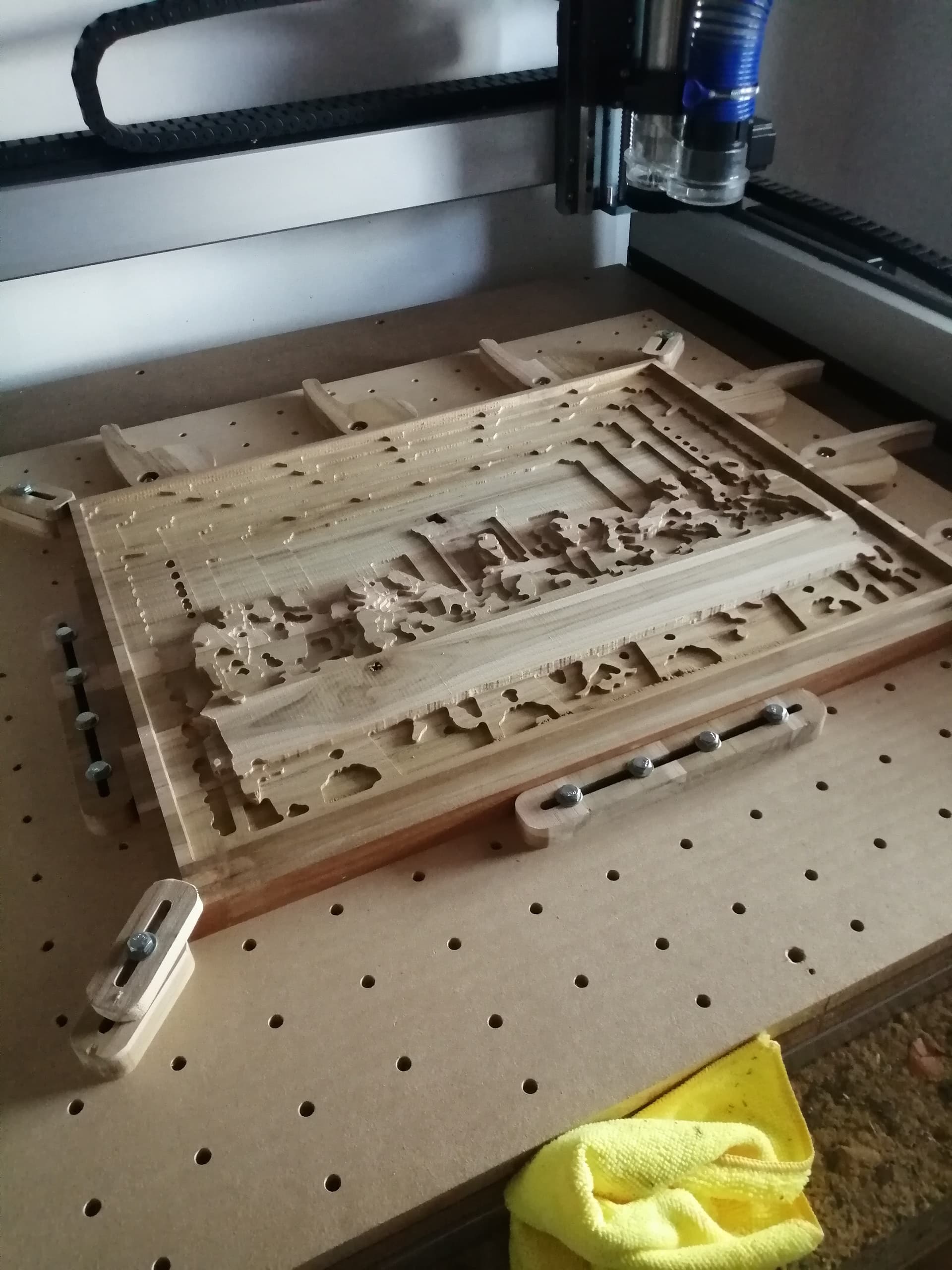
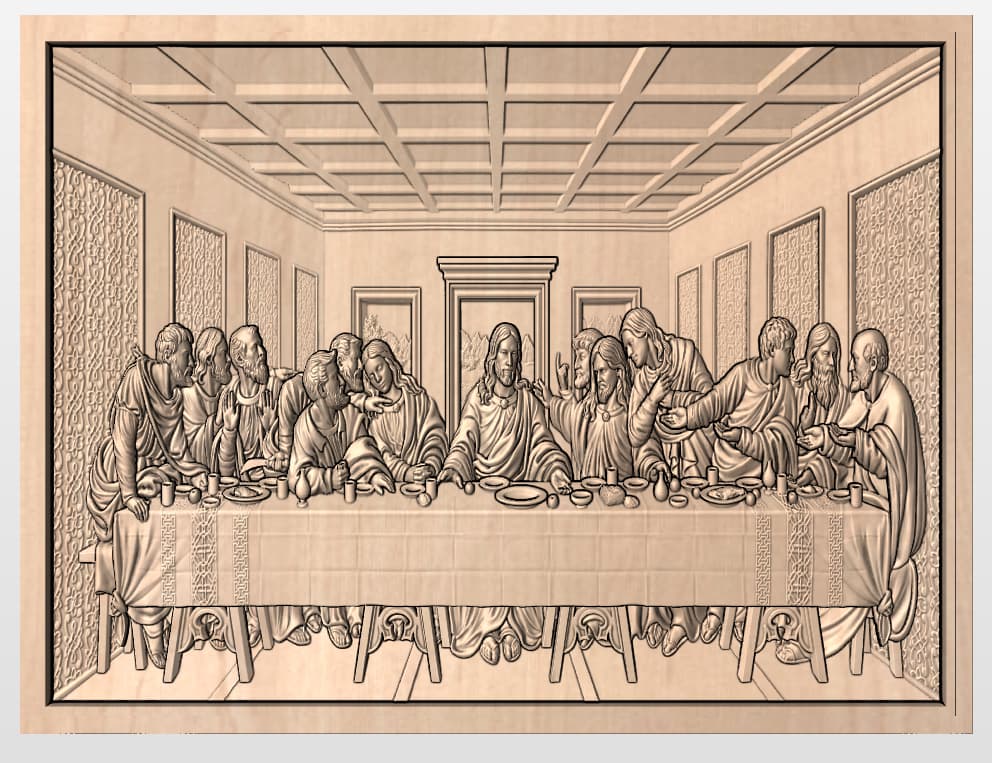
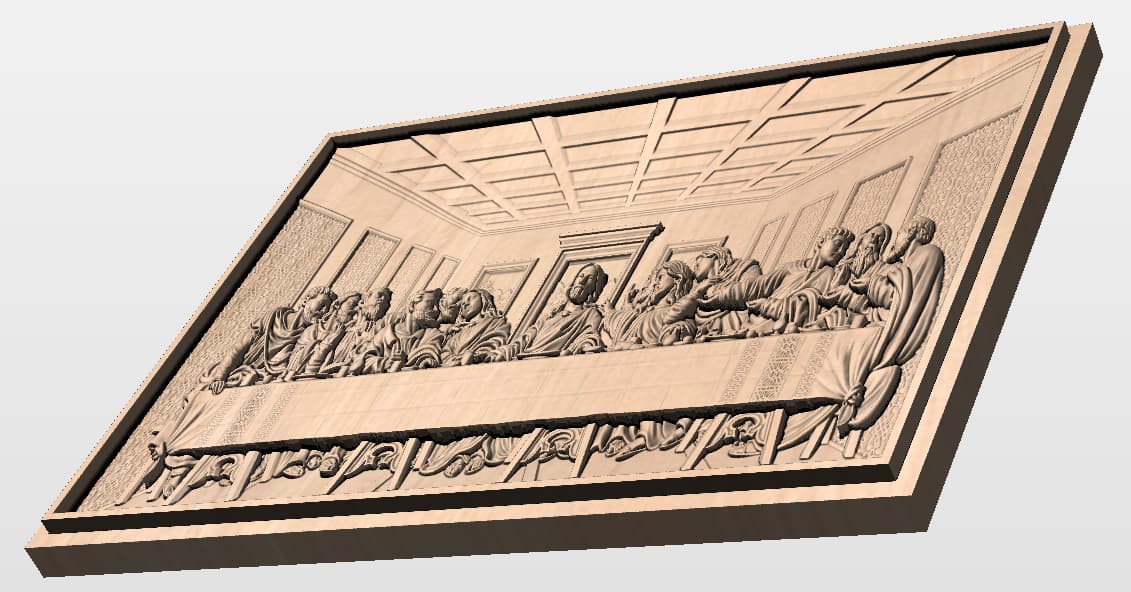
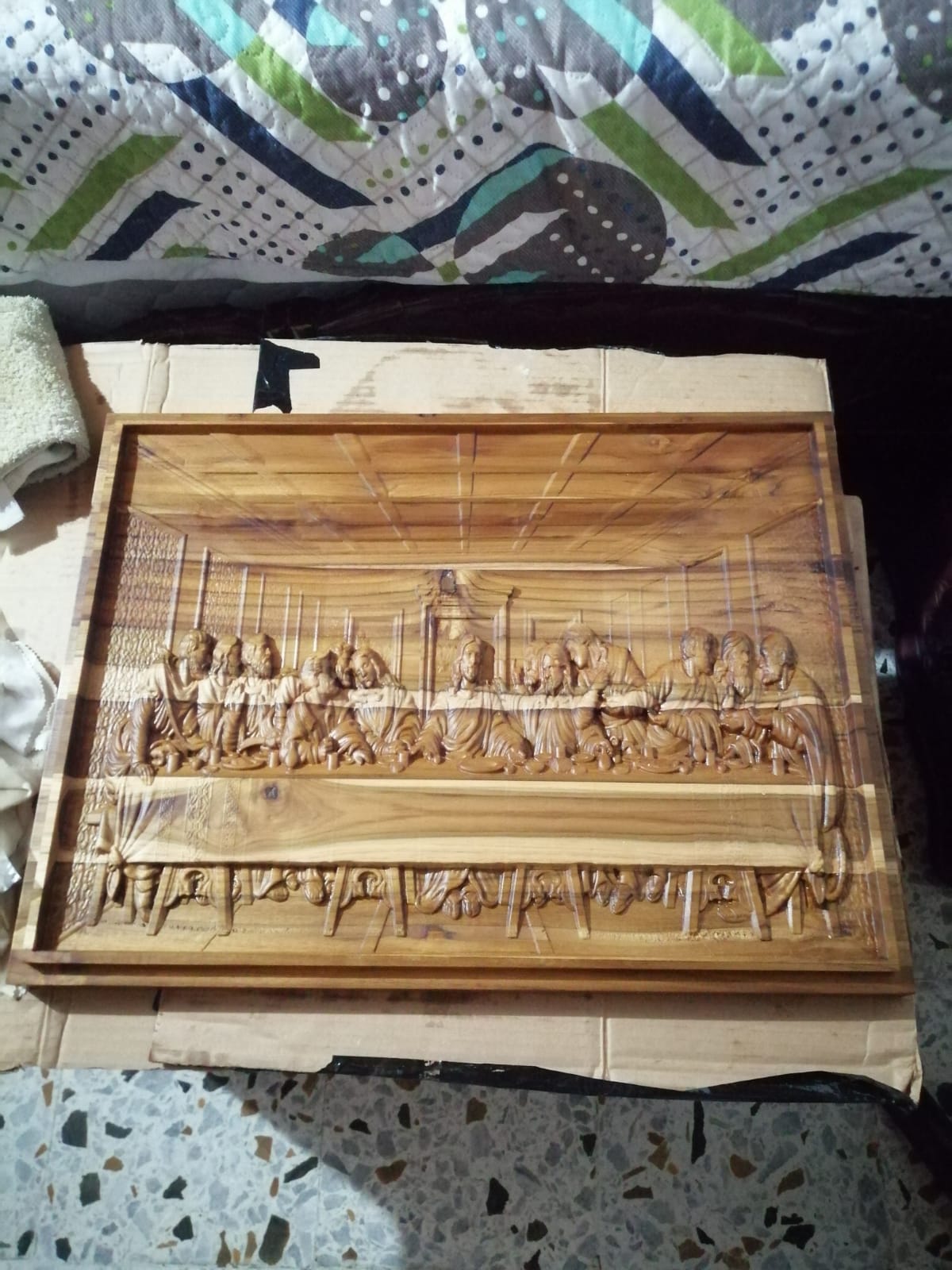
I’m about to start a 3D carving project, and I noticed that the machining times were really high since the piece is quite large (about 24" x 18"). I’m running a Shapeoko 4 XXL with a spindle and HDZ.
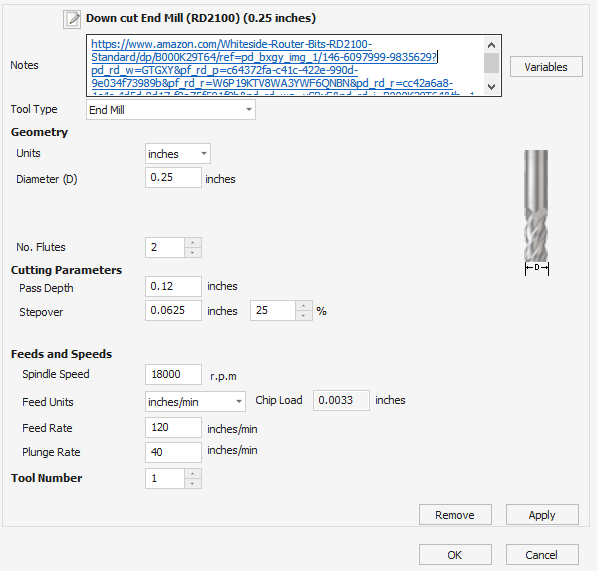
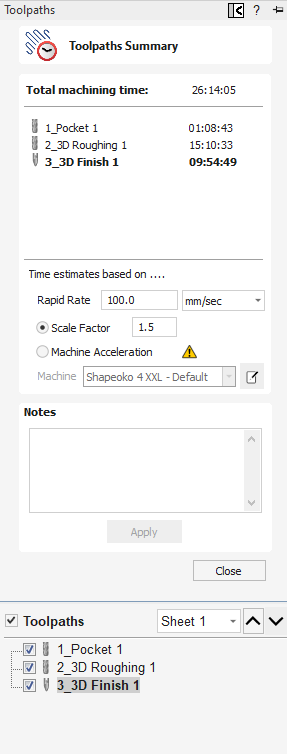
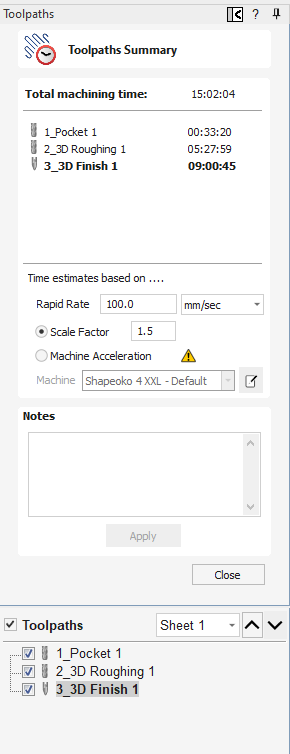
Thanks to ChatGPT, I was able to “optimize” my feeds and speeds for both my downcut endmill and tapered ball nose, which reduced the total machining time significantly, down to something much more reasonable and comfortable.
That said, I wanted to ask the community: would you trust ChatGPT to optimize your feeds and speeds?
In the past, I actually paid someone to help me with this because I never took the time to properly learn how to calculate feeds and speeds myself. So being able to get good results with ChatGPT sounds almost too good to be true, which is why I’d love to hear your thoughts, especially from those with more experience.
Large language models are simply going to extrapolate based on examples in the training data and whatever the “temperature” and similar settings cause them to output.
That said, the feeds and speeds in Carbide Create are quite conservative, and a spindle affords a lot of torque which machines running a trim router lack, and the HDZ and larger V wheels and wider belts of an SO4 are quite the rigidity improvement over an SO3 w/ a belt-drive Z-axis.
There are number of videos at:
and we’ve had quite a few discussions about feeds and speeds here:
One technique which I used successfully back before Carbide Create was available is that from:
Note that we had a pair of blog posts from the late Bob Warfield:
Thank you very much for your explanation. I’ll take some time later to go through all the resources you mentioned. That said, I’d really appreciate a more direct answer in this case, especially if someone else has the same question I do. Your message kind of gives me “no but yes” vibes, so should I actually test the feeds and speeds myself, or is that not recommended?
AI is only as informed as it can research documented data, culminate an answer derived by an algorithm. With that said I’m not against AI, nor have I used it yet.
I do not calculate feeds/speeds/chiploads myself, not that I don’t know how to do that. I started with the default speeds from CC, as I learned the machine, used different wood species and different types of bits I have altered these defaults to increase efficiency based on the feedback from the machine itself. I knew from the start there were efficiencies to be gained from the default settings, however the intent is for the beginner to be able to safely use the machine while gaining proficiency with the entire process and ultimately apply lessons learned to maximize the overall workflow.
So to answer your question, based on my experience I use my hearing, sight and documented notes to determine feeds/speeds.
First off, what is currently being billed as “AI” are simply Large Language Models — a huge amount of training data is processed and used to create a series of data points which when matched up with an input, based on various settings “temperature and so forth” map to output derived from the training data — which are then lossily compressed, so if one uses an input which points to a section of the model affected by the lossy compression, results in “hallucinations”.
Yes, if you query and get output from a section which accurately applied the information from the training data then the output should be usable — the trick is to how to know whether or not that is the case, so one pretty much has to know the correct answer to begin with, so why waste the energy/compute time?
Marshall McLuhan noted that every technological development results in a matching amputation in human capability — for my part, I’m dropping a marker and not bothering with LLMs because I don’t find their output interesting or useful, and downright concerning because there does not seem to be a way to avoid the faulty output caused by compression.
I’ve used a handful of them to try and get starting points for feeds and speeds.
Direct answer from my personal experience: they’re either very good or downright terrible with very little in between. As in they’ll work great or they will blow up your tooling and then some…
If you don’t know the difference already, it is very difficult to distinguish the good from the garbage.
The other issue is that most of the data the model has been trained on probably does not apply to our types of machines. Same with generic feeds and speeds tables, they’re just not made with a desktop machine in mind.
Regardless of if you end up using the models or not, I’d highly recommend learning the basics of feeds and speeds yourself. It’s well worth the time and effort to build that intuition. If only so you can call out the BS that an LLM spits out.
If you’re going to use the LLMs without dedicating the time to learning the feeds and speeds stuff, I’d recommend you always prompt it to explain the reasoning step by step. This will help you build that intuition passively while also letting you more easily identify the nonsense when it does pop up.
Bottom line: it’s not terrible, it’s not great. Use it or don’t use it, I’d highly recommend learning F&S yourself either way. (Dedicating a week of after work time to really studying and understanding feeds and speeds was genuinely one of the best things I’ve ever done to progress my machining activities. I wish I had done it 5 years sooner…)
Bryan: short answer, a very personal one: do not trust what you get there.
as Will said, the machines that are presented as AI are just -w/o any doubt excellently coded- language models.
And then there is a search machine in the background. That searches information it gathers with very fast internet research, probably very fast and very large buffer memories, AND! information it collected during interaction with people.
Means: these days you and me are the sources that AI collects intelligence from, providing information to it’s source is just a temporary bycatch.
And: ChatGPT and Perplexity judge the truth of a entity by the sheer number of citations in the source. The more often an entity is repeatedly elaborated the more it is considered true even if it is BS. AI does not check for plausibility, nor does it check for compatibility with facts. Of course obvious common sense and science facts are checked, but imagine there are 12 millions of entries that the sun revolves around the earth and 2 saying the earth revolves around the sun: guess what information you would get about the question whether the earth is mobile.
And: these machines are obviously programmed to never fail. Like in Amazon if you ask for a very specific product: what you get are pages of products that do not match what you asked for, instead of the short answer that the system just does not have a match for your request.
Same with ChatGPT. Before it tells you that it cannot answer your request correctly it gives you answers that are obviously for you as a beginner false, the more the AI should “know” that these answers are wrong.
Means: never trust AI at least never in the recent stage.
And: what answer do you get when you waste time to express how misleading the information was? ChatGPT and Perplexity always point back to yo, again lying: they say: “I am sorry” (two lies: there is no “I” in a machine, and it cannot be sorry, it is a machine), “that you are disappointed”: so it implies the location of the frustration to you: You are disappointed, the failure is in you, the machine is not sorry, that it made a mistake…
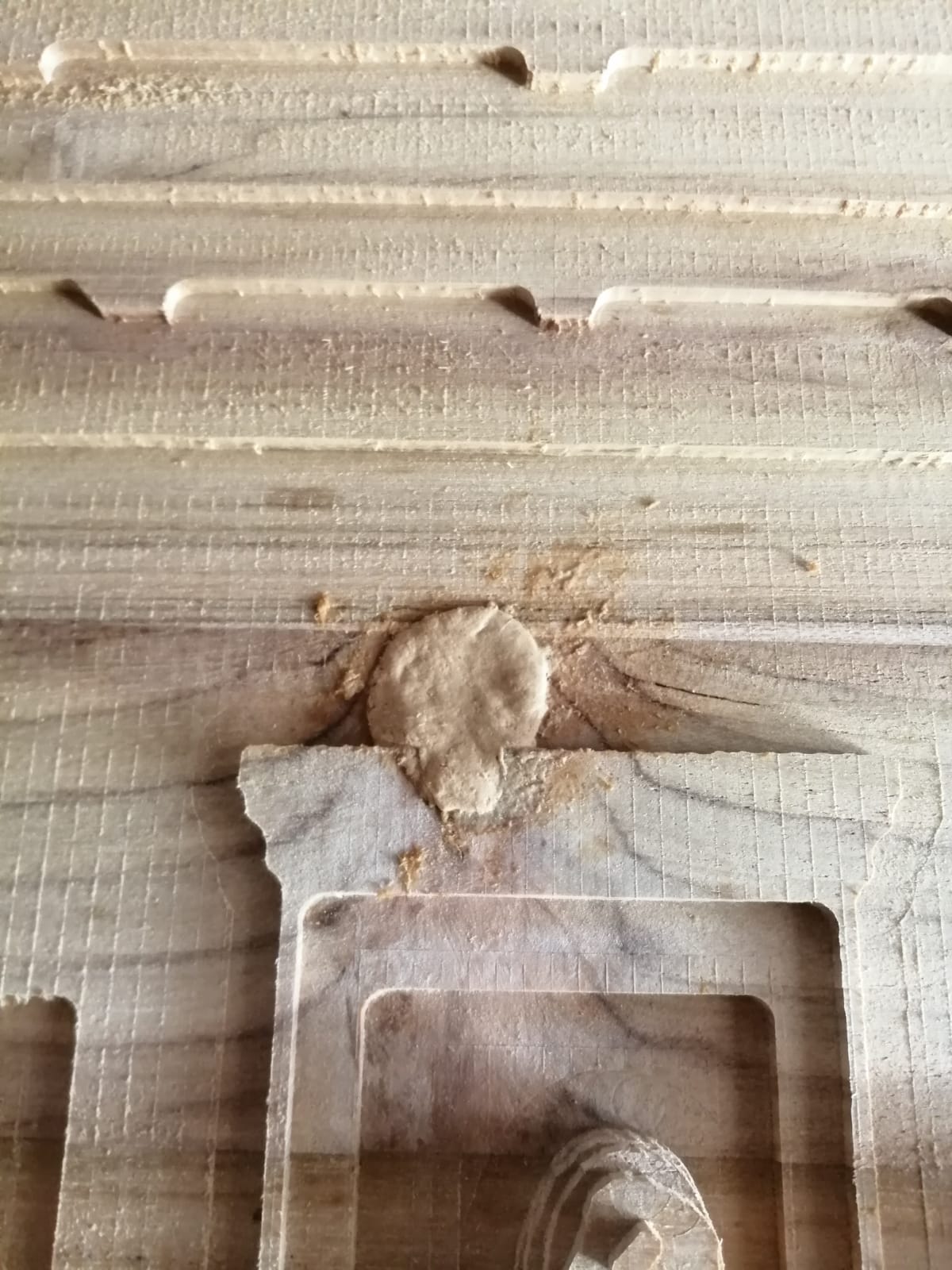
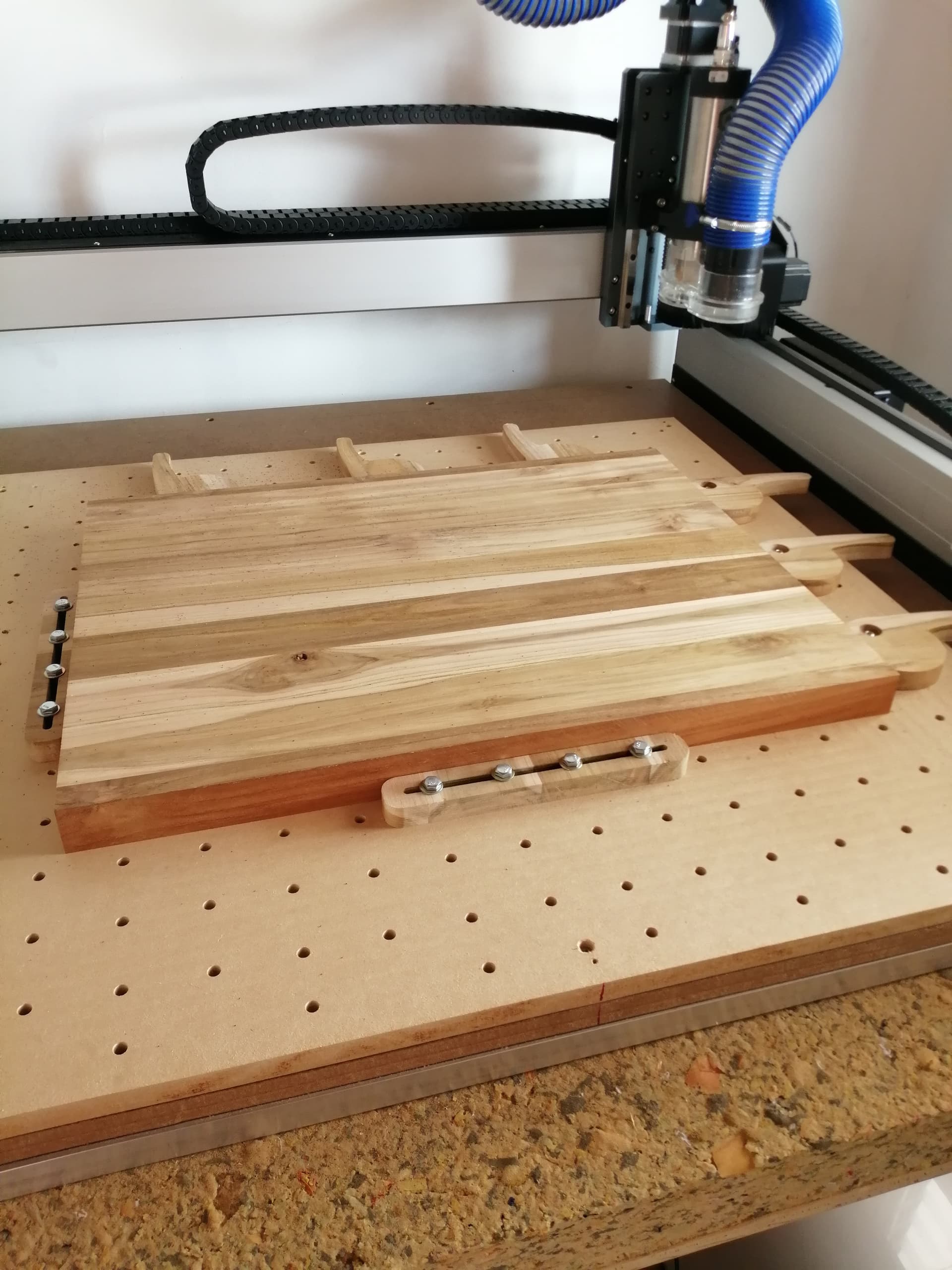
Is that cork on the table?
And: is that scrap would you use to try? or is that the real thing?
(I produced enough wood for our open fireplace for the whole winter from excellent lumber …, and I do that every year.)
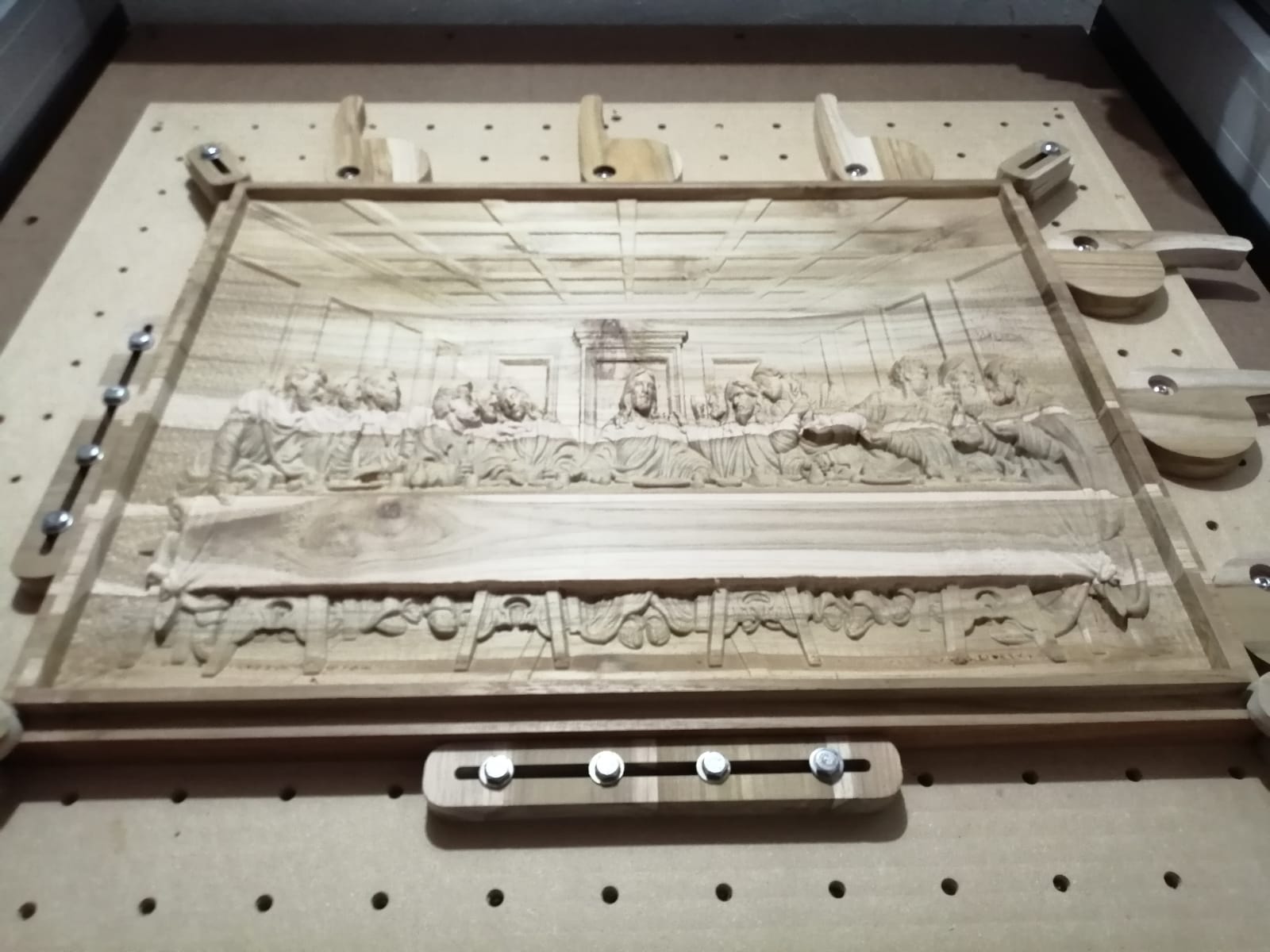
Gentlemen, I’ve survived Day 1!
Now all that’s left is to survive Day 2 as well. So far, I’m really happy with the new feeds and speeds provided by ChatGPT; they’ve been performing great.
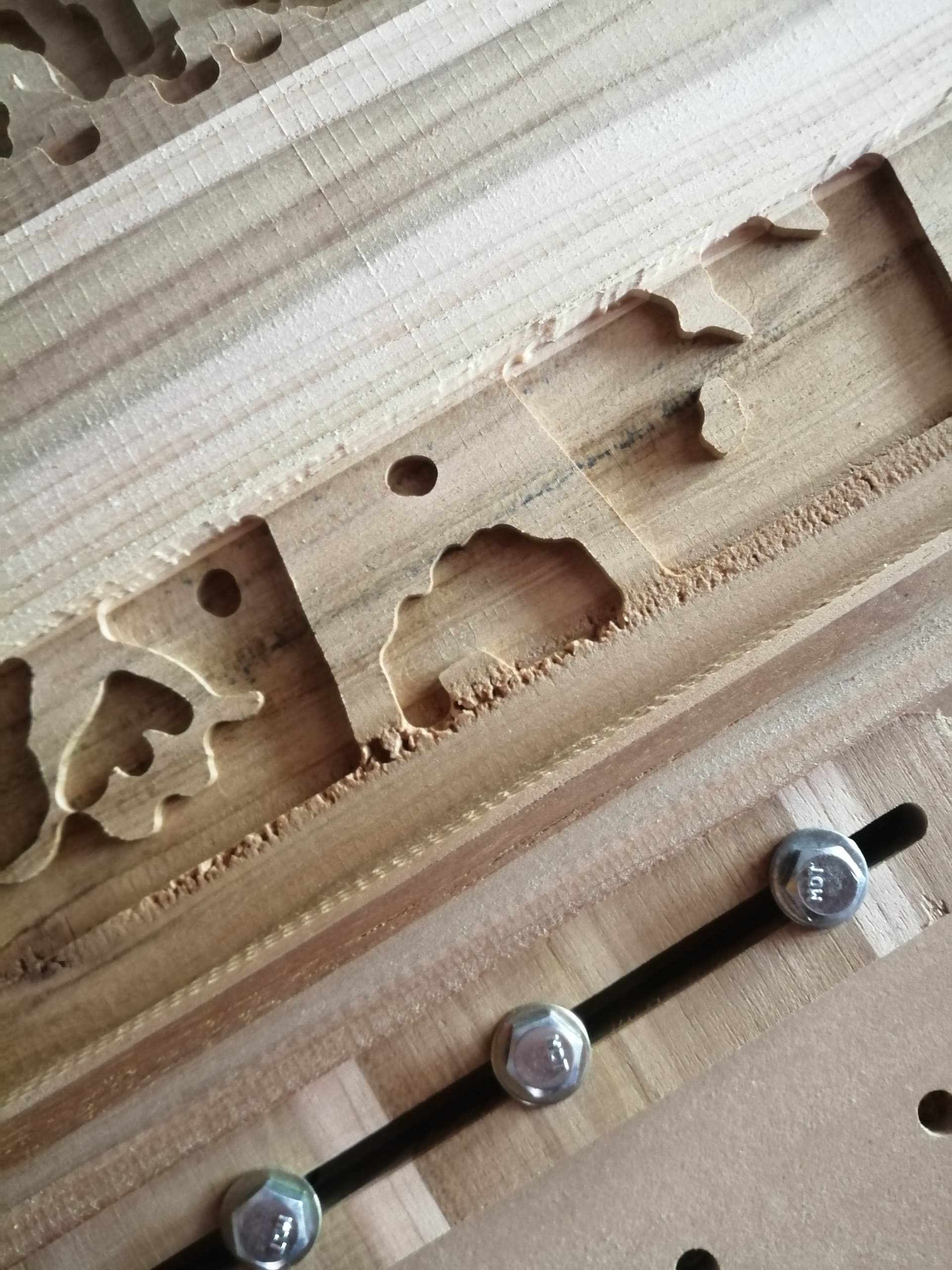
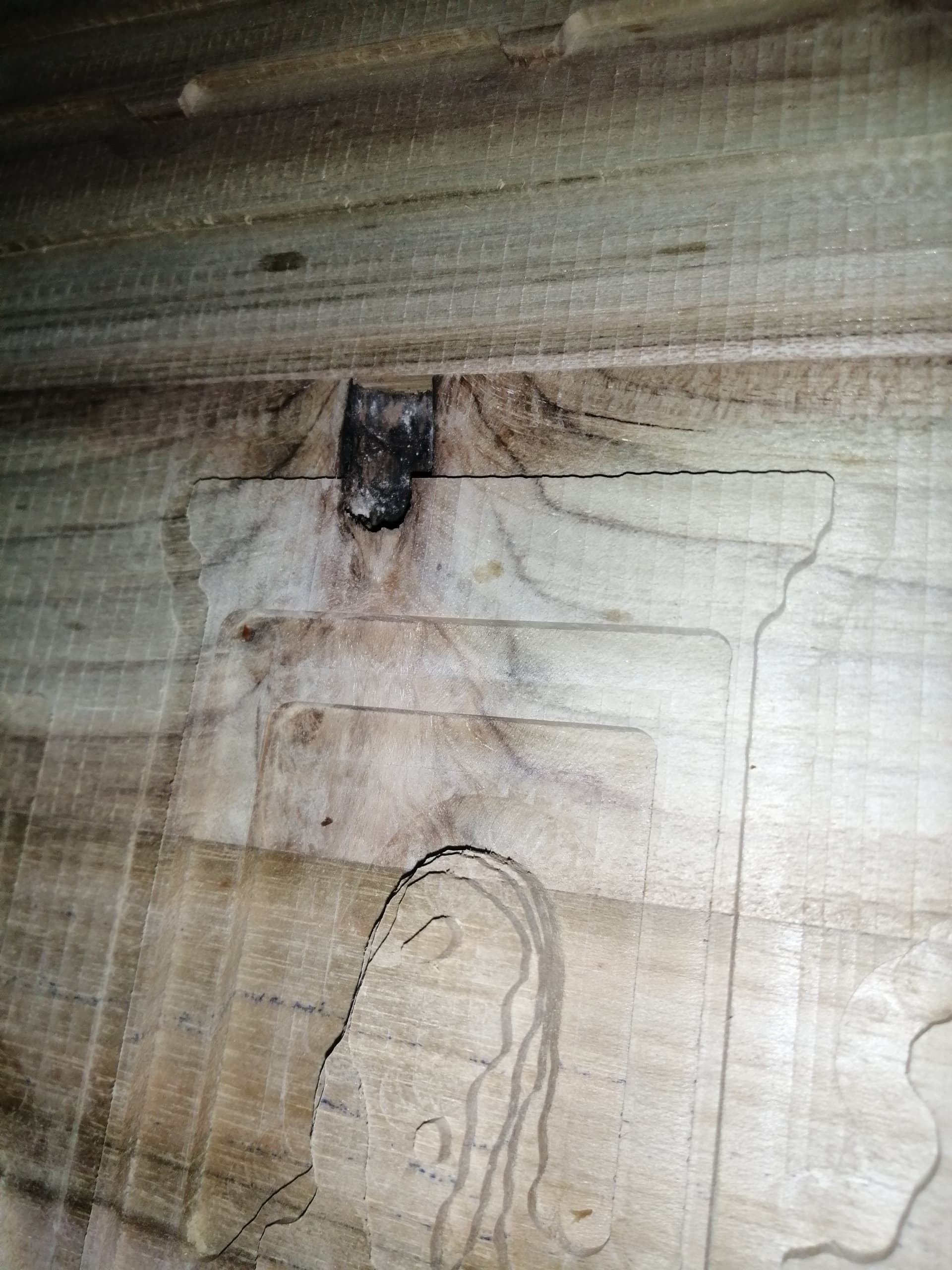
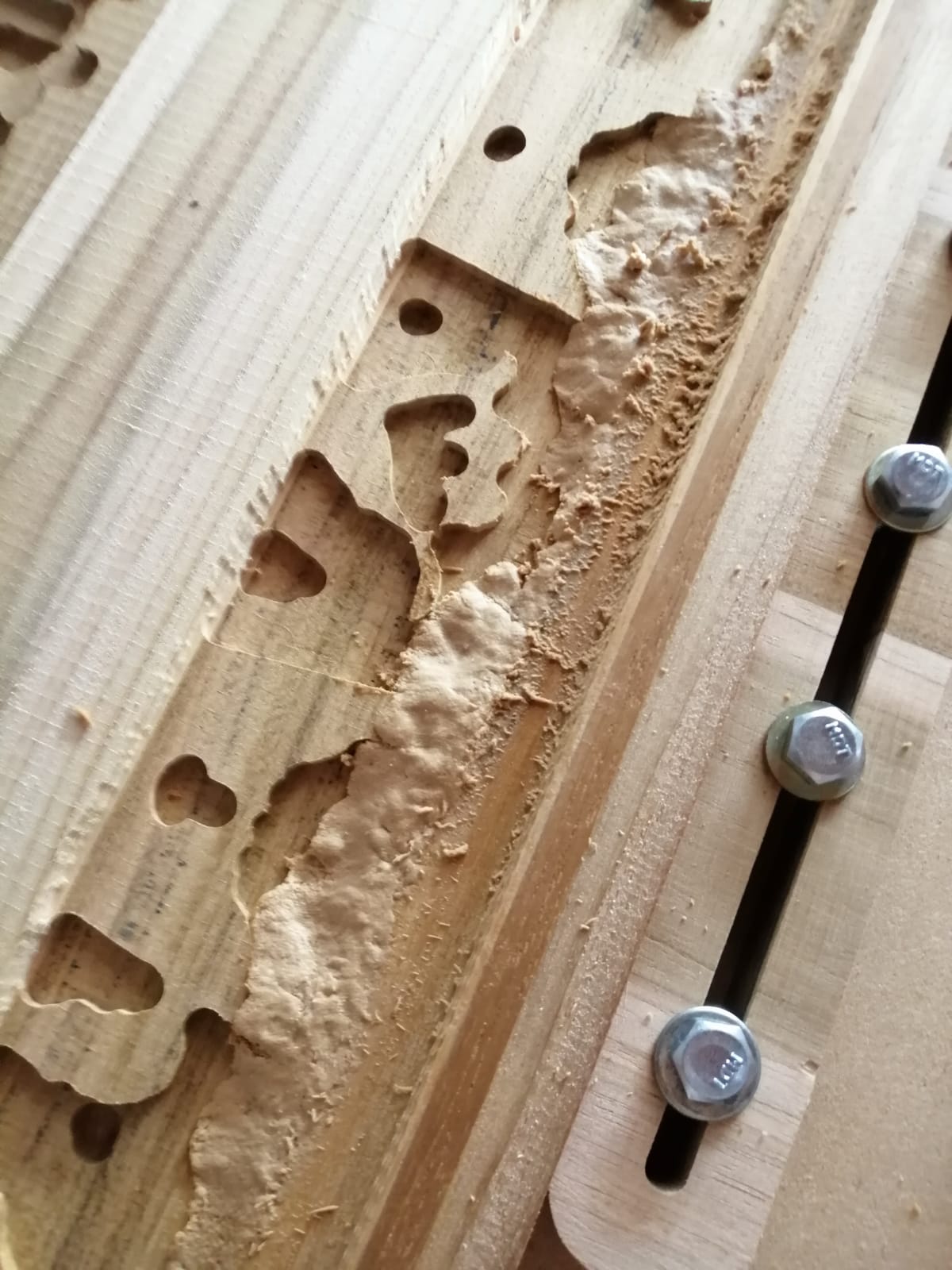
Unfortunately, not everything can be perfect. It seems this particular board had some kind of filler inside, and I lost the 50/50 gamble of picking the right side to machine, ended up hitting a huge void that doesn’t go all the way through.
To be honest I don’t have a plan for the contours, I kinda like the Square style, seems solid, plus with this technique I can use the full board since I can put my Z clamps there without any risk of colission. But if you have an example of a really nice contour that I could use please let me know."
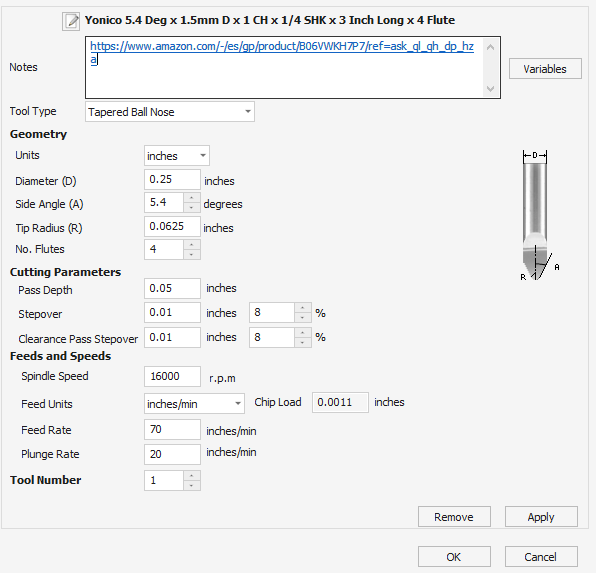
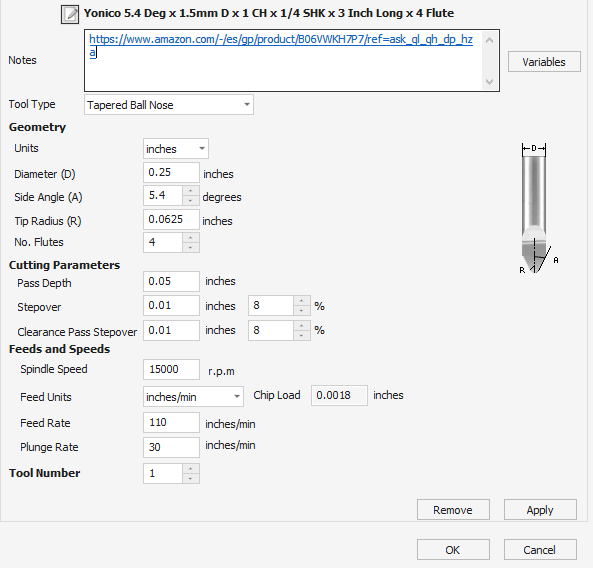
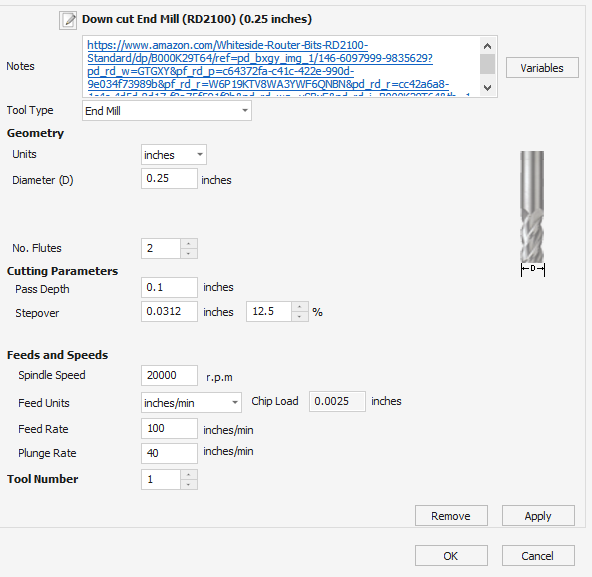

 ) it should be good.